
Vanke’s Widening Losses Deepen China Debt Crunch
Vanke’s first-half losses widen, exposing strains in the China debt crunch as state-backed developers struggle to reverse the property sector’s prolonged slump.
SHANGHAI — Chinese developer Vanke reported widened losses in the first half of 2026, a development that crystallizes the difficulties of repairing a battered property sector and intensifies concerns around the broader China debt crunch. The company’s results underscore how even state-backed firms face mounting pressure from weak sales, tighter financing and lingering investor unease.
Vanke reports expanded H1 losses
Vanke’s June-half financial statements showed losses that were larger than a year earlier, the company said in a regulatory filing. Management described the results as reflecting a subdued sales environment and elevated financing costs, which squeezed margins and reduced cash flow across projects.
Analysts said the numbers highlight the uneven progress of recovery efforts in housing demand and the heavy toll of prolonged liquidity stress. Market participants noted the symbolic importance of a state-influenced developer signaling persistent weakness.
Debt servicing and liquidity strains
The broader China debt crunch has tightened the conditions under which developers refinance maturing bonds and obtain new credit. Banks and non-bank lenders have become more selective, increasing funding costs for firms with large near-term obligations.
For companies such as Vanke, the combination of slower pre-sales, delayed project completions and higher borrowing rates has translated into greater short-term financing needs. That dynamic has left some developers reliant on asset disposals, joint ventures or government interventions to shore up liquidity.
State backing and limited policy levers
Vanke’s status as a state-backed developer has not insulated it from market headwinds, and the company’s difficulties underline the limited scope of direct support in reversing sector-wide weakness. Officials at municipal and central levels have intermittently introduced measures to ease buyer restrictions and facilitate financing, but momentum remains fragile.
Policy makers face a balancing act between stabilising housing activity and avoiding moral hazard, market observers said. Any targeted support for large developers is likely to be calibrated to limit systemic spillovers while encouraging private capital participation in problem assets.
Investor and lender reaction
Investors reacted to the results with renewed caution, reassessing risk premia on property-sector debt and equity. Credit markets have priced in greater uncertainty for developers with stretched balance sheets, while bondholders monitor upcoming maturities for signs of further stress.
Lenders have signalled that they will press for stronger collateral and clearer repayment plans before extending new facilities. That stance could exacerbate refinancing challenges for companies that rely on capital markets to roll over obligations.
Implications for the property market and construction
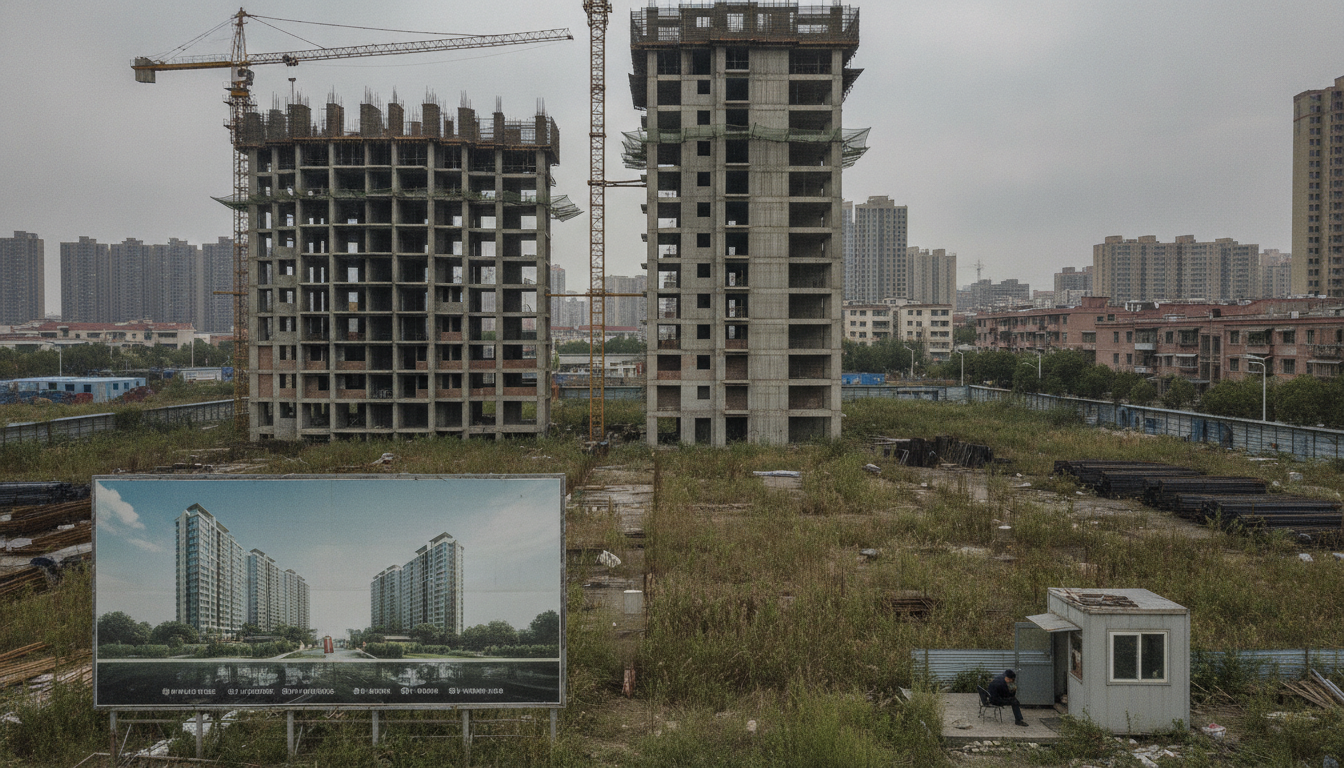
Vanke’s losses come amid continued weakness in new-home sales nationwide and a slowdown in construction activity in some regions. Lower demand has created a backlog of unsold units, and slower cash inflows are delaying project completions in certain cases.
The slowdown in housing transaction volumes and starts carries broader economic implications because the sector supports a wide range of industries from construction materials to household goods. Local governments that depend on land-sale revenues may face tighter fiscal margins if the property correction persists.
Outlook, risks and potential responses
Analysts say the near-term outlook hinges on demand recovery, financing availability and the efficacy of targeted policy support. Credit conditions and consumer sentiment will both play key roles in determining whether developers can stabilise their balance sheets without large-scale state intervention.
Risks include a renewed loss of confidence among buyers and financiers that could deepen liquidity squeezes, as well as the potential for larger-than-expected impairments on existing projects. Conversely, a modest rebound in sales and selective policy easing could alleviate immediate refinancing needs for healthier firms.
Market watchers will be watching Vanke’s next quarterly disclosures and any announcements from regulators for signs of adjusting strategy or fresh support measures. Those indicators will help determine whether the company’s results represent an isolated setback or a broader marker of the China debt crunch that still threatens the sector.
Vanke’s expanded first-half losses serve as a reminder that repairing China’s property sector remains an incomplete and delicate process, with implications that extend beyond individual firms to lenders, investors and regional economies.

