
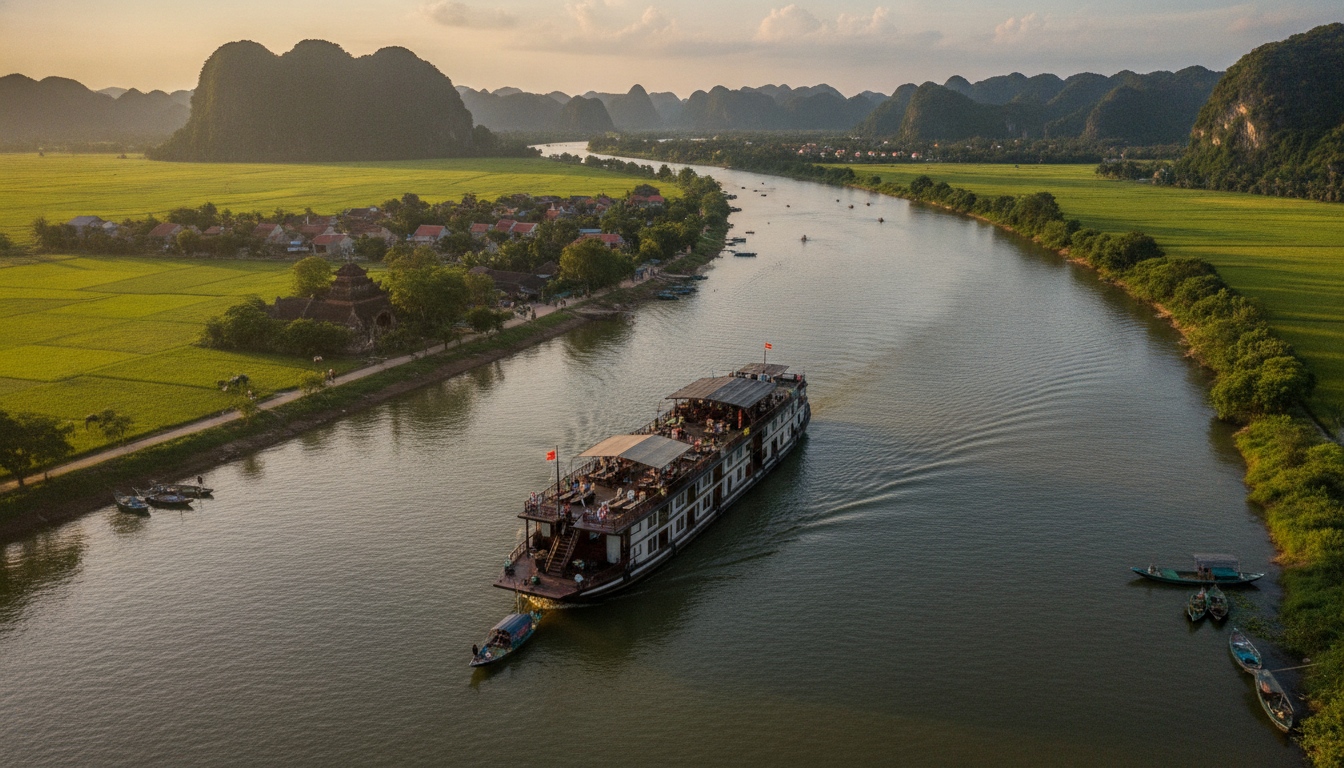
Red River Delta expedition aboard RV Angkor Pandaw highlights Vietnam’s heritage and Ha Long Bay
A 10-day Red River Delta expedition aboard the RV Angkor Pandaw from Hanoi to Ha Long Bay offers a close look at northern Vietnam’s cultural heartland, heritage sites and local life. The Red River Delta expedition blends river cruising with guided shore excursions, traditional food experiences and small-ship hospitality. This feature reports on the route, onboard experience, key stops and practical information for prospective travelers.
Route and schedule of the 10-day expedition
The voyage departs from Hanoi and follows the Red River through rice paddies, market towns and historic villages before finishing with views of Ha Long Bay. Daily schedules mix river navigation with ashore visits that include temples, colonial-era ports and community villages. The itinerary is paced for sightseeing and cultural interaction, with several late-afternoon and early-morning landings to catch markets and local routines.
The expedition’s timing is designed to balance comfort and access to heritage sites that are otherwise difficult to reach by road. Passengers typically disembark for guided walks, bicycle rides and short transfers to attractions along the delta. Sightseeing windows are coordinated with local guides to allow for photography, meals and conversations with residents.
Onboard life aboard RV Angkor Pandaw
The RV Angkor Pandaw is a boutique river vessel configured for shallow-draft cruising in the Red River and its tributaries. Cabins are compact but thoughtfully arranged, and public spaces emphasise panoramic views and a casual, communal atmosphere. Meals are a mix of regional Vietnamese dishes and familiar continental options, prepared to reflect local produce sourced along the route.
Service is presented as attentive and low-key, with daily briefings on ports and optional shore programs. The small-ship scale means fewer passengers than mainstream ocean cruises, allowing for more flexible schedules and easier tendering to remote shore points. Safety and basic medical provisions are standard, while excursions are led by local historians or English-speaking guides.
Key cultural stops and heritage highlights
Stops on the Red River Delta expedition typically include traditional craft villages, provincial temples and preserved colonial towns that showcase northern Vietnam’s layered history. Markets and riverside piers provide snapshots of daily trade, handicrafts and the rhythm of river life that has shaped communities for centuries. The route culminates with the dramatic limestone seascapes of Ha Long Bay, a UNESCO-recognised natural site and visual highlight.
Highlights often cited by travelers are encounters with pottery and weaving workshops, visits to small pagodas and short stays in riverside settlements where centuries-old fishing and farming practices continue. Guides contextualise each stop with local history and conservation issues, helping visitors connect the places visited to broader cultural and ecological narratives. The variety of sites across the delta is intended to reflect both intangible traditions and built heritage.
Food, markets and encounters with local communities
Culinary experiences are woven into the expedition with onshore market tours and cooking demonstrations that emphasise regional ingredients. Passengers can taste northern Vietnamese specialities such as banh cuon, cha ca and river fish variations prepared by village cooks. Market visits also provide opportunities to learn about rice varieties, freshwater produce and the seasonal rhythms that determine local diets.
Interactions with residents are generally brief and organised through community partners to ensure respectful exchange. Guides arrange meetings with artisans and cooperative leaders, allowing visitors to observe traditional crafts and, where appropriate, purchase locally made goods. The small-group format helps keep these encounters manageable and mutually beneficial.
Operational considerations and sustainability measures
Operators of the Red River Delta expedition stress small-ship operations as a way to minimise environmental footprint and support community tourism. Measures commonly highlighted include careful waste management, local sourcing of food, and partnerships with village organisations. Navigation on shallow waters requires experienced crews and sometimes restricts larger vessels, making the RV Angkor Pandaw’s design suitable for the route.
Nevertheless, environmental and cultural impacts remain areas of concern, particularly as visitor numbers rise in popular stops like Ha Long Bay. Responsible tour operators mitigate pressure by controlling group sizes, using low-impact shore routes and supporting conservation initiatives. Travelers are advised to choose operators that publish clear sustainability practices and contribute to local economies.
Booking, best seasons and practical advice
The most comfortable months for a Red River Delta expedition are generally autumn and spring, when temperatures are moderate and rainfall is lower than in the summer monsoon season. Travelers should plan for variable weather, pack layers and bring rain protection, sturdy footwear for ashore walks, and binoculars for bird and landscape viewing. Visas, vaccinations and travel insurance are standard preparations; passengers are encouraged to check requirements well before departure.
Groups are often limited to maintain the small-ship feel, so early booking is recommended for preferred cabins and shore options. Prospective travelers should review cancellation policies, the extent of included excursions and any extra charges for transfers or specialty activities. Language support is usually available in English, and operators typically provide detailed daily itineraries and briefings.
For those considering a Vietnam river cruise that prioritises culture and close access to communities, the Red River Delta expedition aboard the RV Angkor Pandaw presents a compelling option. The route combines quiet river passages, immersive shore visits and the spectacle of Ha Long Bay to offer a concentrated view of northern Vietnam’s natural and cultural landscapes.

