
Japanese Voice Actor Daisuke Namikawa Begins Official AI Voice Licensing to Fight Unauthorized Clones
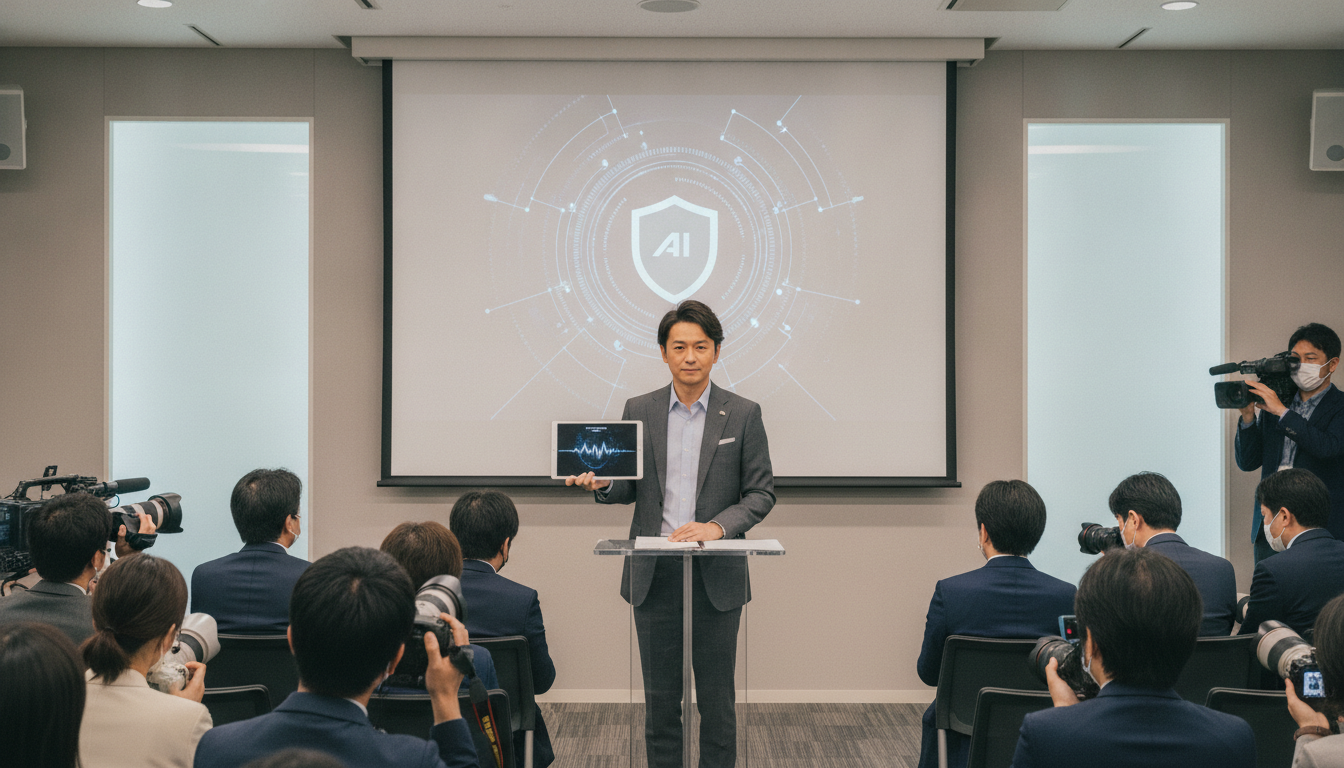
Daisuke Namikawa began licensing an AI voice based on his own on July 14, 2026, aiming to curb the spread of unauthorized AI voice clones. The move was announced alongside a video release that demonstrated the licensed voice and outlined controlled use. The step marks a high-profile example of a performer seeking formal control over synthetic recreations of their voice.
Namikawa begins official AI voice licensing on July 14, 2026
Namikawa, a prominent Japanese actor and voice performer, announced the licensing initiative as a direct response to concerns about unapproved AI reproductions of his voice. The actor’s management described the program as a way to authorize legitimate uses while deterring commercial and deceptive exploitation.
The licensing effort is intended to create clear rules for companies and creators who wish to use a synthetic version of his voice, according to statements accompanying the release. By offering an official channel, Namikawa aims to replace informal or illicit clones with licensed alternatives that include usage limits and contractual safeguards.
Actor posts video demonstrating the licensed AI voice
On the same day the licensing began, Namikawa released a short video that features a character speaking in an AI-generated voice trained to resemble his own. The clip served both to showcase the quality of the synthetic voice and to signal that future commercial uses will require authorization.
The presentation did not name every partner or platform involved but emphasized that the licensed voice would be distributed under formal terms. The video has prompted discussion within the entertainment community about transparency, attribution, and how performers can maintain control over their vocal likeness.
Unauthorized AI voice cloning sparks broader concerns in Japan
Industry observers say the rise of accessible voice-synthesis tools has made unauthorized cloning easier and more frequent, raising legal and ethical questions. Producers, advertisers, and fans have all encountered synthetic voice content, sometimes created without consent or clear disclosure.
Concerns include the potential for misleading deepfakes, loss of income for voice professionals, and reputational harm when a synthetic voice is used in contexts the performer would not endorse. Namikawa’s move underscores a growing recognition among talent that proactive measures may be necessary to protect vocal identity.
Legal frameworks and industry practices lag behind technology
Legal experts note that copyright and personality-rights regimes in many countries, including Japan, have not kept pace with rapid advances in generative audio. While performers can pursue remedies under existing intellectual property and publicity-rights laws, enforcement is often slow and costly when dealing with cross-border digital content.
Industry groups and talent agencies are exploring contractual strategies and digital-rights management as interim solutions. Licensing arrangements like Namikawa’s aim to set commercial standards and create traceability for lawful uses, but they do not by themselves resolve all jurisdictional or enforcement challenges.
Possible consequences for voice acting, advertising and media production
If licensing of AI voices becomes more common, studios and advertisers may face new compliance checks when casting synthetic voices for projects. Producers could be required to seek explicit permissions and to pay licensing fees, altering budgets and production timelines for some campaigns.
For voice actors, formal licensing may provide a revenue stream and clearer protections, but it could also pressure performers to make strategic decisions about which uses to permit. The balance between enabling creative applications of voice synthesis and protecting the rights and livelihoods of performers will shape industry norms in the years ahead.
Namikawa’s announcement adds momentum to a broader debate over how the entertainment industry will regulate and monetize synthetic likenesses. As companies and performers experiment with licensing frameworks, the coming months are likely to produce more initiatives seeking to reconcile technological capability with artistic control and legal accountability.

