
Hokuriku Shinkansen extension likely to adopt Katsuragawa plan, ruling parties set to agree
Ruling parties are preparing to endorse the Katsuragawa plan for the Hokuriku Shinkansen extension, proposing a new underground station near JR Katsuragawa; agreement is expected at the July 15, 2026 infrastructure committee meeting.
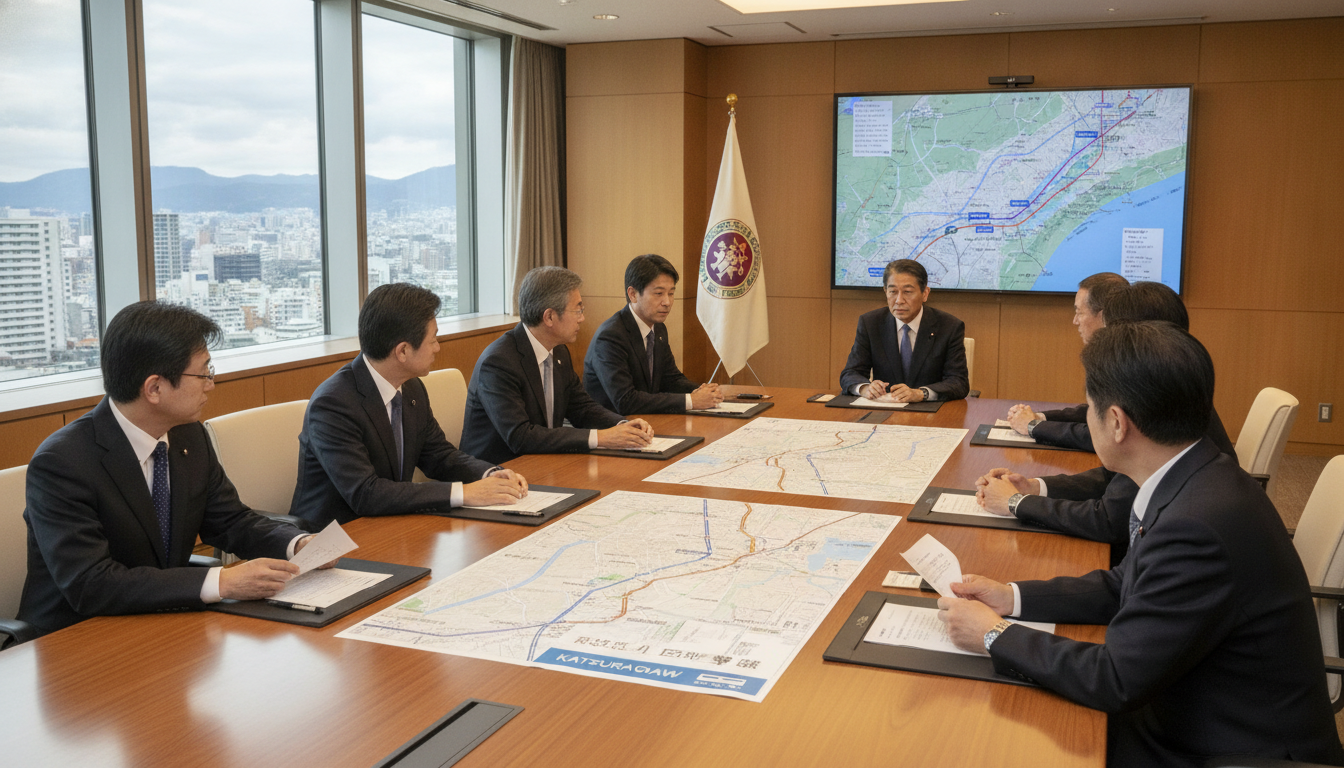
The Liberal Democratic Party and Nippon Ishin no Kai are in final talks to select the Katsuragawa plan for the Hokuriku Shinkansen extension between Tsuruga and Shin-Osaka. Party officials said on July 14, 2026, that the plan — which would place a new station beneath the JR Katsuragawa area on the Obama–Kyoto route — is the current compromise. The Infrastructure Committee of the ruling coalition is expected to formalize a summary decision at its meeting on July 15, 2026.
Agreement expected at July 15 infrastructure committee
A senior LDP committee official confirmed that discussions with Ishin have narrowed the options and that the Katsuragawa plan is the focus of final adjustments. Sources within Ishin told reporters that both parties’ preferences now overlap around the underground station proposal near JR Katsuragawa. Committee members plan to present a consolidated package on July 15 that will address route selection and initial financing considerations.
Details of the Katsuragawa plan
Under the Katsuragawa plan, the Hokuriku Shinkansen would follow the previously considered Obama–Kyoto corridor and include a new subterranean station near JR Katsuragawa. The new station would be built below ground to connect regional services with the high-speed line while avoiding surface disruption in densely developed areas. Proponents argue the location balances accessibility to Kyoto metropolitan demand and integration with existing rail networks.
Party positions and bargaining
During previous committee sessions, the LDP presented two preferred options — the Katsuragawa plan and a north–south alignment through Kyoto Station — while Ishin backed the Katsuragawa plan alongside a Maibara-routing option that would link into the Tokaido Shinkansen. Ishin’s entry into the governing coalition prompted a reappraisal of cost-effectiveness and ridership assumptions, triggering the reexamination of eight corridors and nine specific proposals since December 2025. The converging positions reflect compromises over station placement, construction complexity, and network connectivity.
Route review history and stakeholder hearings
The ruling coalition reopened the route selection last December and conducted hearings with local governments, business groups and other stakeholders across the potential corridors. Those consultations were intended to gather economic impact assessments, infrastructure constraints and environmental concerns before the Diet session decision. The review process sought to reconcile national strategic goals for high-speed connectivity with regional development priorities along the Obama–Kyoto axis.
Kyoto City objections and environmental concerns
Kyoto City has raised worries about potential impacts on groundwater and the city’s fiscal burden if the underground construction proceeds beneath the Katsuragawa area. City officials have emphasized the need for thorough geotechnical studies and compensatory measures to protect historic neighborhoods and local aquifers. Any final decision will require continued negotiations to secure Kyoto’s consent and to set clear mitigation responsibilities between national and municipal authorities.
Financing and timetable considerations
Ruling party members say the July 15 summary will include proposed funding frameworks, though detailed financial commitments remain to be worked out. The plan’s backers expect the committee’s endorsement to enable subsequent budgeting steps and technical studies during the current Diet session. Officials have indicated that construction cannot begin until final approvals, environmental assessments and agreement on cost-sharing with local governments are completed.
The Katsuragawa plan carries implications for regional rail integration, local economies and construction risk management. Supporters highlight improved travel times and new economic opportunities around the planned underground station, while critics point to uncertainty over groundwater impacts and long-term public spending obligations. As parties move toward a formal announcement at the July 15, 2026 committee meeting, attention will shift to Kyoto City’s position and the pace at which detailed design and funding arrangements can be finalized.

