
Prime Minister Takaichi’s August 15 speech shifts wording on war pledge, prompting debate
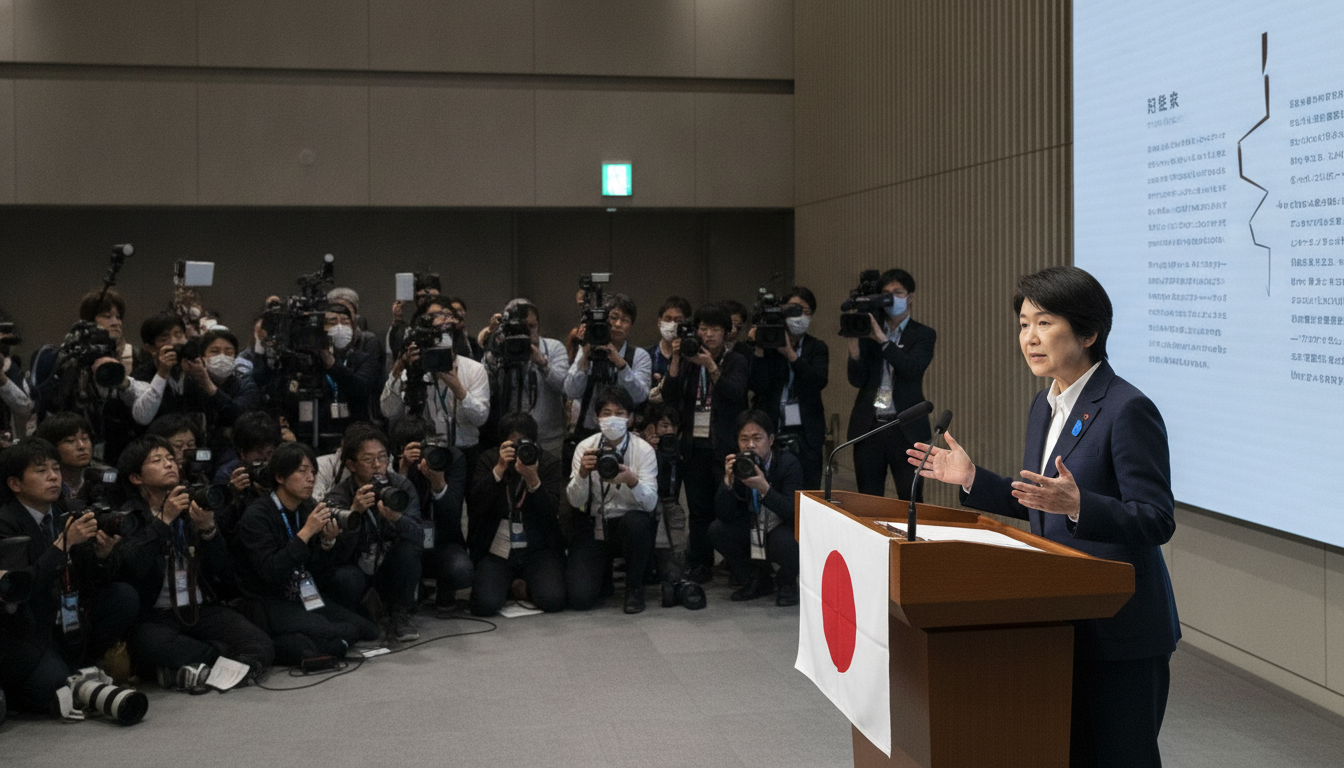
Prime Minister Takaichi’s August 15 speech at the national memorial used a causative phrasing — “will not let the horrors of war be repeated” — that diverged from the usual vow and has sparked debate about government responsibility and constitutional meaning. The wording change, delivered during the 2026 National Memorial Service at Nippon Budokan, was noticed by observers who said it alters the agency implied by the traditional pledge.
Ceremony setting and the disputed phrase
The national memorial ceremony took place at Nippon Budokan on August 15, 2026, the 81st anniversary of Japan’s wartime surrender. Attendees and nearby visitors at Yasukuni Shrine observed the noon moment of silence as the Budokan audio was broadcast into the precincts.
In her address, Prime Minister Takaichi framed her remarks as “a resolute pledge,” and included the line translated as “we will not let the horrors of war be repeated.” That insertion of the causative element drew attention because it differs from the more common phrasing, “we will not repeat the horrors of war,” used by past leaders.
Constitutional context and the preamble’s intent
The Constitution’s preamble states that the Japanese people have resolved to secure peace so that “the horrors of war shall not be repeated.” The text assigns agency to the people as sovereigns who will ensure that government actions do not lead to war.
Legal scholars and constitutional commentators say that the traditional wording underscores a citizen-led commitment to restrain government power. The substitution of a causative form in a prime ministerial address raises questions about whether the implied subject or actor in the pledge has shifted.
Reactions from critics and analysts
Critics argued that the change in language is not merely semantic and could affect public understanding of responsibility for war and peace. They warned that phrasing matters especially when debates persist over constitutional revision, security policy, and the government’s role in defense.
Analysts who defended the wording said the Prime Minister’s intent may have been rhetorical rather than doctrinal, aimed at expressing determination to prevent recurrence of wartime suffering. These observers noted that variations in ceremonial language have occurred before, and that intent and policy should be judged by concrete actions rather than a single sentence in a speech.
Political implications amid security debate
The exchange over phrasing came amid an intense national conversation on security and constitutional interpretation. For lawmakers and voters concerned about changes to Article 9 or expanded defense roles, the way leaders articulate historical commitments is highly sensitive.
Opposition voices used the wording shift to argue for clearer statements that reaffirm the postwar constitutional framework. Supporters cautioned against reading immediate policy implications into ceremonial language, but acknowledged the symbolic power of words when addressing victims of war and their families.
Historical memory and public trust
August 15 remains a focal point for how Japan remembers its wartime past and defines its postwar identity. The annual ceremony and nearby visits to shrines and memorials are closely watched for tone and terminology, as leaders attempt to balance reflection, apology, and future-facing policy.
Observers said that precision in language on such occasions affects public trust, especially among bereaved families and those who emphasize the constitutional promise that the people will prevent another war. The contested phrasing rekindled debates over whether the state or the citizenry should be seen as the principal guarantor of peace.
The dispute over Prime Minister Takaichi’s wording on August 15 underscores how small linguistic choices at formal ceremonies can reverberate through legal, political and social conversations about responsibility, memory and the limits of state power in postwar Japan.

