
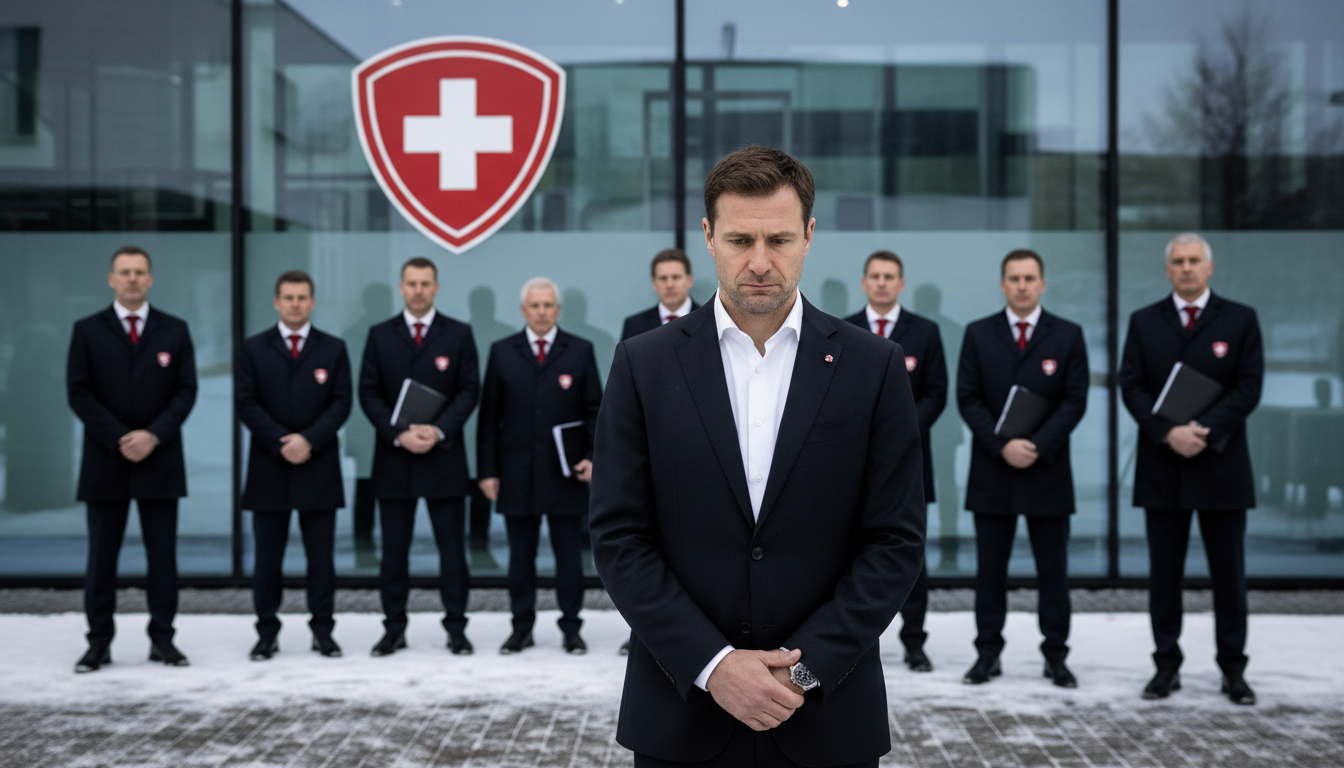
Patrick Fischer fired by Swiss Ice Hockey Federation over fake COVID-19 vaccine certificate
Swiss ice hockey coach Patrick Fischer fired after admitting he used a fake COVID-19 vaccination certificate to travel to the 2022 Beijing Olympics, prompting federation action.
Patrick Fischer was dismissed by the Swiss Ice Hockey Federation after he admitted using a non-valid COVID-19 vaccination certificate to enter China for the 2022 Winter Olympics in Beijing. The federation announced the decision on Wednesday following public reporting and an internal review of the matter. Fischer had led the men’s national team since 2015 and resigned his role earlier this year but had not yet formally left when the revelations emerged.
Federation announcement and reason for dismissal
The Swiss Ice Hockey Federation said the case was legally closed but had created a debate about trust and values within the organization. Federation president Urs Kessler said the initial assessment that the matter was concluded proved "too short-sighted" and emphasized the federation’s responsibility to uphold standards. The announcement made clear that the use of a false document to bypass health regulations was incompatible with the federation’s expectations for conduct by its senior staff.
The federation had initially commended Fischer for admitting the mistake, but mounting media coverage led officials to revisit their position. In the wake of additional reporting and public scrutiny, the federation concluded that Fischer’s actions in 2022 undermined the values it seeks to embody and therefore warranted dismissal.
Details of Fischer’s admission and circumstances in Beijing
Fischer publicly acknowledged entering China with a certificate the federation characterized as non-valid, saying he was in a personal crisis over vaccination and did not want to let down his team at the Games. The coach admitted he had not been vaccinated against COVID-19 and used the document to travel to the 2022 Winter Olympics in Beijing. He said the decision reflected a conflict between personal convictions and professional obligations at a critical international tournament.
Swiss public broadcaster SRF reported that it had confronted Fischer with the allegations prior to his statement, after which he confirmed the circumstances surrounding his travel. The Beijing Olympics, held in February 2022, required participants to meet strict health protocols, and Fischer’s admission placed those protocols and his judgment under public and institutional scrutiny.
Public debate and federation’s stance on values
Urs Kessler framed the dismissal as a matter of values and respect central to Swiss Ice Hockey, saying Fischer’s conduct did not uphold those principles in 2022. The federation emphasized that while legal processes had been completed, reputational and ethical considerations carried independent weight in decisions about leadership. The statement reflects broader societal expectations in Switzerland about transparency and adherence to public-health rules during the pandemic.
Media attention and public reaction accelerated the federation’s move from initial support to termination, demonstrating how reputational pressures can influence sports governance. Federation officials told reporters they must weigh both legal findings and the perceptions of athletes, sponsors, and fans when deciding on leadership continuity.
Transition to new coaching leadership
Jan Cadieux, who had already been announced as Fischer’s successor, will assume the head coach role immediately. The federation confirmed Cadieux’s appointment will take effect without delay to provide continuity for the national team. Fischer had led Switzerland to multiple World Championship silver medals during his tenure, and the federation noted that replacing a long-standing coach mid-cycle requires careful management.
Cadieux faces the immediate task of steadying the squad and rebuilding confidence among players and stakeholders after a high-profile off-ice controversy. The federation said it would provide support to ensure the national team’s preparations and competitive plans are not disrupted by the leadership change.
Potential impact on Swiss hockey and international perception
Fischer’s dismissal is likely to prompt internal reviews of governance and compliance procedures across Swiss sporting bodies. The incident raises questions about how federations monitor adherence to health rules and manage conflicts between personal beliefs and official responsibilities. Sponsors and partners may press for clearer codes of conduct to mitigate reputational risk moving forward.
On the international stage, the episode may affect perceptions of Swiss sport administration, particularly during events that demand strict adherence to host-country regulations. The federation has signaled a commitment to restoring trust by taking decisive action, but rebuilding that trust will require transparent follow-through and demonstrable policy changes.
Swiss hockey officials have not outlined specific disciplinary measures beyond the dismissal, but they indicated that lessons learned will inform future governance. The federation’s next steps are expected to include reviews of travel protocols, staff oversight, and communications strategies to avoid similar controversies.
The federation’s statement and Fischer’s admission mark a notable moment of accountability within Swiss sport, underscoring the complex interplay between personal choice and professional duty in high-profile international competition.

