
Man Hid at Mother-Child Shelter for Years Before Two Sisters Were Killed in Fukuoka
A tip revealed that a common-law partner had been hiding in the mother-child shelter where two sisters were found dead, raising urgent questions about the safety of domestic violence refuges in Fukuoka.
A mother and her two daughters were found collapsed inside a mother-child shelter in Kama City, Fukuoka Prefecture on March 10, 2026, and the two girls — aged four and three — later died of strangulation at hospital, police said. The mother, identified by police as 30-year-old Naho Mizunuma, was arrested on April 22, 2026 on suspicion of murdering the elder daughter. Authorities later received information that a man with whom the mother had a common-law relationship had been hiding in the same shelter room for years, prompting a major shift in the investigation.
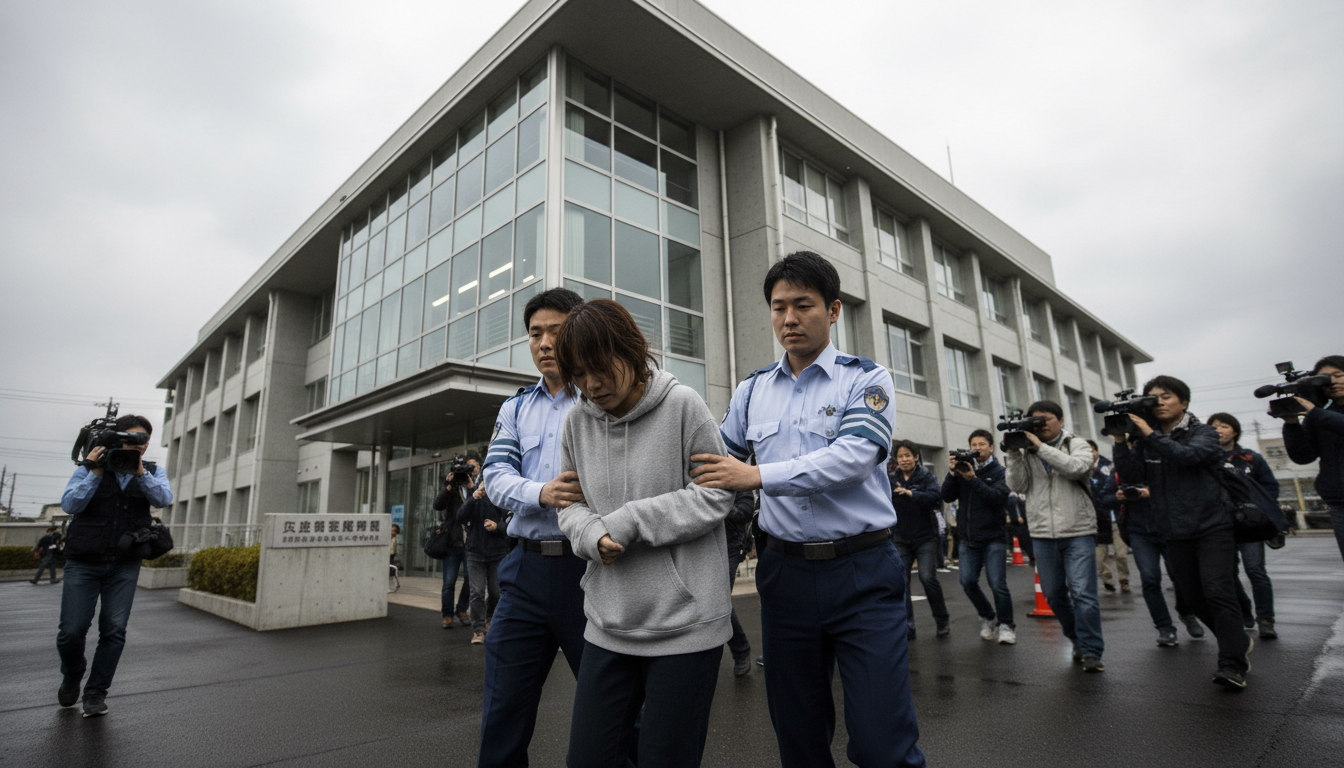
Police arrest mother on suspicion of murder
On March 10 at 8:40 a.m., emergency services responded to a call from a person believed to be a shelter staff member reporting an unconscious resident, according to prefectural police. Firefighters and officers found Mizunuma and her two daughters collapsed in a private room; the girls were transported to hospital where both were pronounced dead. Medical examiners determined strangulation as the cause of death, while Mizunuma sustained a neck injury but survived.
Police initially treated the scene as a possible murder-suicide and began a standard criminal inquiry into the deaths. After receiving further information the same day, investigators expanded their probe and have since pursued leads about a third person associated with the family’s circumstances. On April 22, police publicly announced the arrest of Mizunuma on suspicion of murder and continued to question her as part of a broader inquiry into what occurred at the shelter.
Tip prompts shift in investigation
The course of the investigation changed when police received a tip alleging the presence of the mother’s common-law partner at the facility, according to investigators. Subsequent inquiries indicated the man had been concealing himself in the same room where the family lived, and that he had lived with them for approximately three years after the mother sought refuge at the shelter. Police have said they do not currently believe the partner directly participated in the killings, but they are continuing to investigate his behavior and any potential role in the lead-up to the deaths.
Authorities stressed that the new information raised critical questions about how someone with a history of alleged domestic violence could remain undetected inside a facility intended to protect survivors. The revelation has led investigators to review surveillance, admission records and staff accounts to establish a timeline and determine who knew what and when.
Shelter staff express shock and safety concerns
Staff and administrators at the mother-child shelter described shock and dismay after learning the partner had reportedly been hiding on-site. The refuge, which provides housing and support to survivors of domestic violence and their children, is designed to offer privacy and protection, a principle that can complicate routine oversight. Facility workers told police and local welfare officials that they felt betrayed by the breach and are calling for a review of safety protocols.
Local welfare authorities said the incident has prompted immediate consultations with shelter operators about admission procedures, room checks and emergency response measures. While officials emphasize the need to preserve the confidentiality and safety of residents who are escaping abuse, the case has highlighted tensions between privacy and the necessity of preventing perpetrator access.
Legal and child welfare implications under scrutiny
The charges against the mother have focused official attention on both criminal accountability and child welfare safeguards. Prosecutors will now review the police investigation and decide on formal charges as they examine the evidence gathered since March 10 and since the April 22 arrest. Separately, child welfare authorities are expected to assess whether any interventions or protective measures were missed before the tragedy, and whether system-level changes are needed to better protect children in shelters.
Advocates for survivors of domestic violence say the case underscores longstanding challenges: shelters must balance confidentiality with vigilance, and staff often operate with limited resources. The apparent prolonged presence of an alleged abuser inside a refuge will likely spur debate about funding, training and oversight mechanisms for facilities that serve vulnerable families.
Local authorities pledge review and continued probe
Police and welfare officials in Fukuoka Prefecture have said they will continue to investigate the circumstances surrounding the deaths and the partner’s presence at the shelter. Investigators are examining admission logs, interviewing staff and residents, and working to determine how the man could have stayed concealed for an extended period. Officials also indicated they will coordinate with municipal and prefectural welfare bodies to review shelter operations and emergency protocols.
The case has also drawn attention from the broader community, prompting calls for transparency while survivors’ privacy is protected. Local authorities face pressure to explain what went wrong and to set out concrete steps to restore trust in mother-child shelters as safe havens for people fleeing domestic violence.
Investigations remain ongoing as police piece together a detailed timeline of events from the March 10 emergency call through the April 22 arrest, and as welfare agencies move to review and strengthen shelter safety measures to prevent a similar breach in the future.

