
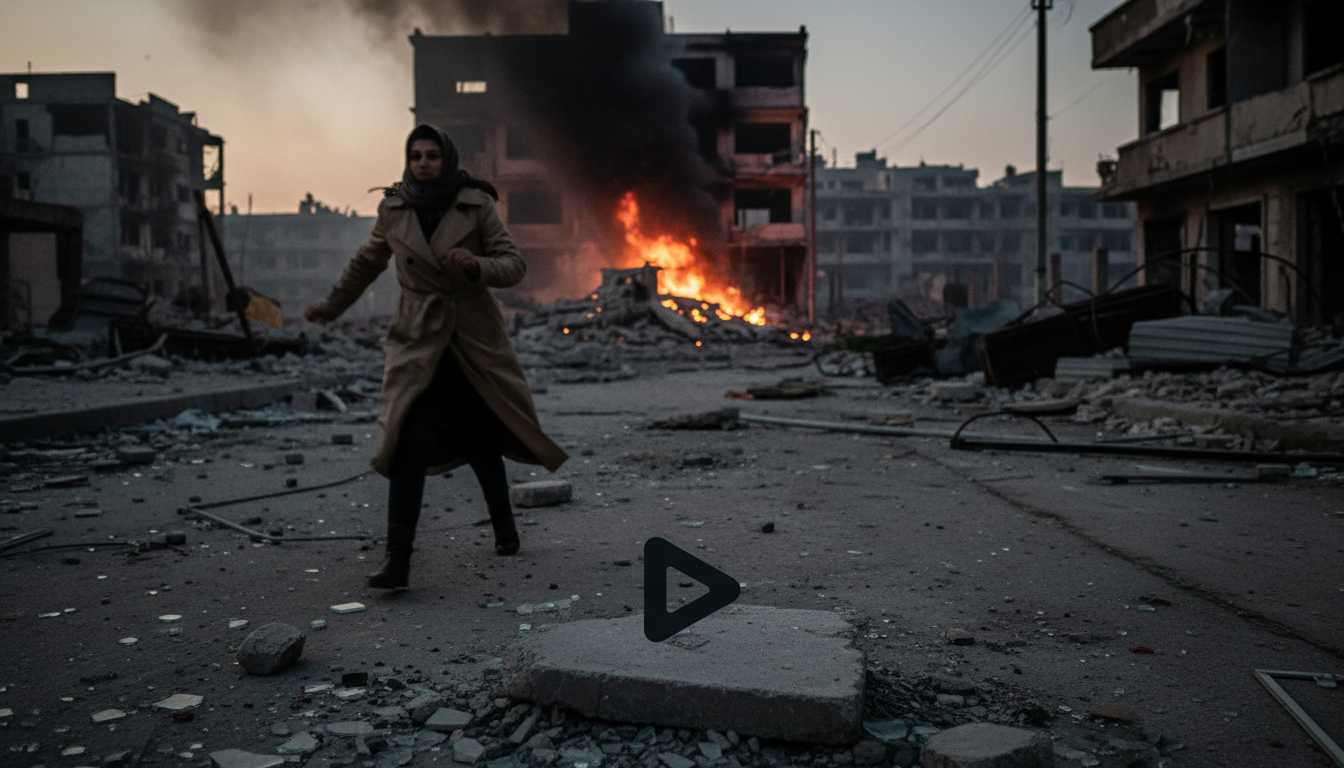
Amal Khalil Killed: Network Releases Account of Pursuit and Death by Israeli Forces
Al Jazeera’s report details how Lebanese journalist Amal Khalil was pursued and killed by Israeli forces on April 23, 2026, providing new eyewitness and video evidence.
The network that employed Amal Khalil released footage and a timeline on April 23, 2026, describing how the Lebanese journalist was pursued and later killed by Israeli forces while reporting near the Lebanon-Israel border. The account includes timestamps, witness testimony, and footage the network says shows Khalil’s vehicle under sustained attention before the fatal incident. Her death has prompted calls for an independent inquiry from press freedom groups and diplomatic actors.
Network’s account and evidence
Al Jazeera, the network that employed Amal Khalil, published a detailed reconstruction that it says is based on video, eyewitness interviews and GPS data recovered from Khalil’s equipment.
The material released alleges that Khalil’s vehicle was followed for several kilometers and was struck during an exchange that the network describes as a targeted pursuit.
The network said it had authenticated time-stamped footage and corroborating witness statements before publishing its report.
Officials at the broadcaster called the new material “critical evidence” for understanding the circumstances surrounding Khalil’s death.
Chronology of the incident
According to the network’s timeline, the sequence began hours before the fatal strike as Khalil travelled to report on clashes along the border.
The timeline indicates movement along public roads, followed by what the network characterizes as repeated and focused attention from military units.
The report asserts that an initial engagement damaged Khalil’s vehicle and that subsequent actions led to the lethal outcome later the same day.
The network’s narrative includes precise times and locations, intended to allow investigators to cross-check its claims with independent sources.
Reactions from family and colleagues
Family members and colleagues have expressed deep grief and demanded accountability following the disclosure of the network’s evidence.
Colleagues described Amal Khalil as an experienced field reporter who regularly covered volatile frontline areas and adhered to safety protocols while reporting.
Her family issued a statement urging international bodies and governments to press for a full, impartial probe into the circumstances of her death.
Media watchdogs and journalist unions called the release of footage an important step toward transparency and insisted on protection for reporters covering conflict zones.
Official responses and diplomatic fallout
Israeli authorities have not yet issued a detailed public response to the network’s reconstruction, saying only that operations in the area are subject to ongoing security considerations.
Diplomatic representatives from Lebanon and other states have expressed concern and urged a transparent investigation to clarify whether the killing resulted from deliberate action or mistake.
International press freedom organizations have urged both sides to cooperate with independent investigators and to preserve all available evidence.
Several governments and intergovernmental bodies have signalled their intention to monitor developments and to call for adherence to international law governing the protection of civilians and journalists.
Context: reporting risks in the Lebanon-Israel border zone
The border area between Lebanon and Israel has seen repeated flare-ups, placing reporters at elevated risk while covering military activity and civilian displacement.
Journalists operating in such environments routinely face threats from indiscriminate fire, targeted operations and the chaos that follows armed exchanges.
Press freedom groups have long documented the dangers to media workers in the region and called for clearer rules of engagement to safeguard non-combatants and accredited reporters.
The death of Amal Khalil underscores those longstanding warnings and has renewed attention on the need for robust protective measures for journalists.
Calls for investigation and accountability
Human rights organizations and journalism associations are urging an independent, international inquiry into the killing of Amal Khalil that would examine the network’s evidence alongside military records and third-party verification.
They stress that any investigation must be impartial, have access to witnesses and material, and result in transparent findings that can form the basis for accountability where appropriate.
Legal experts say such probes are complex, typically requiring cooperation from multiple states and institutions and sustained diplomatic pressure to secure full information.
The network’s release of footage and timestamps is likely to shape the agenda of those pressing for an inquiry and may prompt formal requests from governments and international bodies.
The release of video and a detailed timeline by Amal Khalil’s employer has intensified scrutiny of the circumstances surrounding her death and renewed international calls for a thorough, independent investigation into the incident.

