
Why a Japanese phone number can make or break your concert ticket hunt
How to buy concert tickets in Japan: why a Japanese phone number is required, how visitors can obtain one, and practical workarounds to secure seats quickly.
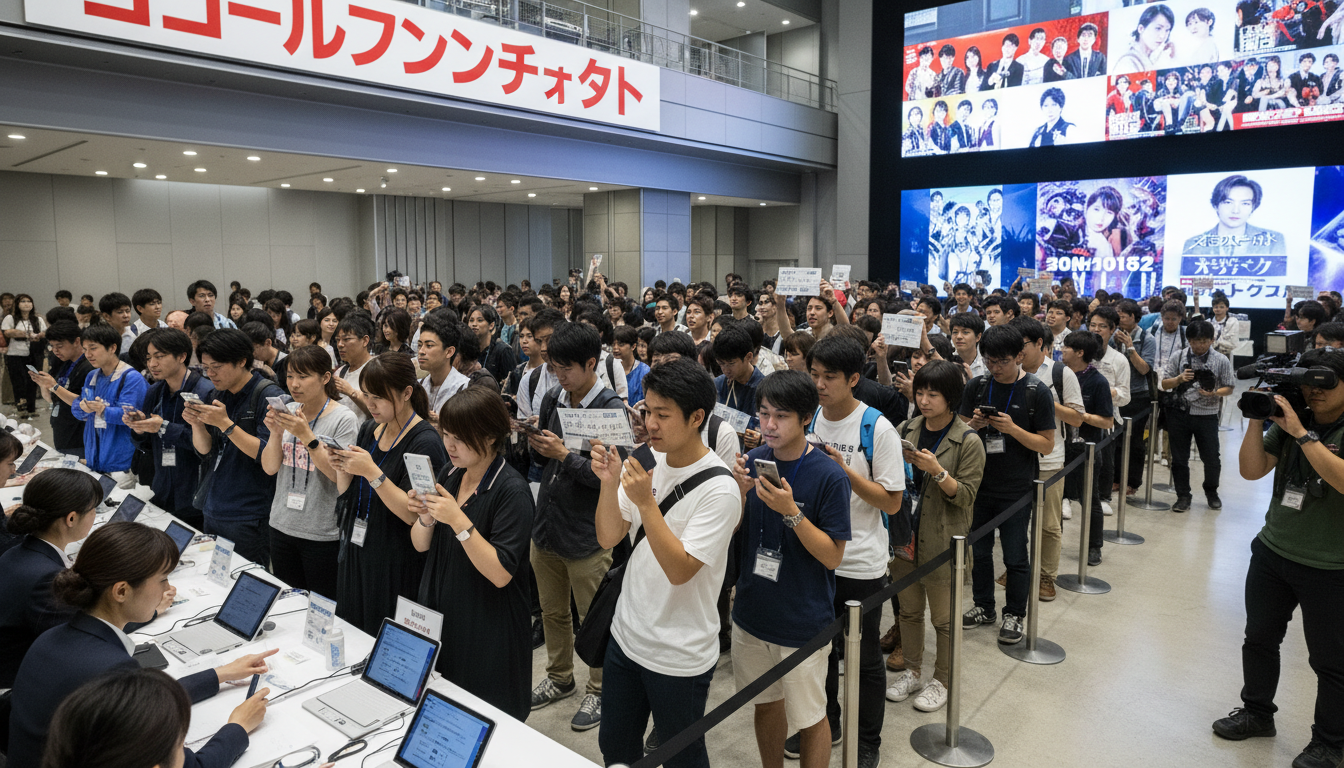
Japan’s booming live-music calendar collided this week with a familiar logistical obstacle for non-residents: a widely reported band announcement opened ticket sales, but many international fans were blocked at the account-creation stage because they lacked a Japanese phone number. The requirement for a local mobile number is now a common gatekeeper on major ticketing platforms, and it can prevent visitors and short-term residents from joining lotteries or completing purchases.
The phone-number hurdle affects lottery entries, SMS verification for digital tickets, and access to platform-only sales. For travellers planning concerts during a trip, securing a Japanese phone number well before ticket windows open can be as important as booking flights or accommodation.
Lottery rounds control initial ticket access
First-pass ticket releases for headline acts are often distributed through staged lotteries rather than immediate first-come sales.
Promoters use lotteries to give a wider pool of fans a fair shot at seats, with applicants submitting during a defined entry period and winners selected by draw.
Successful applicants must then complete payment and collection steps within a short deadline or lose their allocation, which is usually reallocated to the waitlist or subsequent rounds.
Typical lottery stages include fan-club presales, platform-specific lotteries for registered users, and a final general sale that usually sells out in minutes.
Platform rules commonly require a Japanese mobile number
Major ticket vendors in Japan regularly require a mobile number that begins with the local prefixes 070, 080, or 090 to open accounts or verify purchases.
Operators use that number to send SMS one-time codes, confirm identity for digital delivery, and sometimes to tie tickets to a registered phone as part of anti-scalping measures.
Data-only eSIMs or Wi-Fi-only arrangements frequently fail this check because they lack a voice-capable, SMS-receiving number.
The result for many foreign cardholders is a partial checkout flow that stops at verification, effectively barring them from participating in lotteries and some platform sales.
Practical ways to obtain a Japanese phone number as a visitor
Getting a local number the traditional way can be cumbersome: major carriers typically expect a registered Japanese address, residency documentation and a domestic bank account for postpaid plans.
For short-term needs there are several viable alternatives, including prepaid SIMs with voice and SMS, international-friendly providers that offer ready-to-activate Japanese numbers, and paid eSIMs that include SMS-capable numbers.
Some overseas-directed services supply a SIM or eSIM that operates on one of Japan’s major networks and includes the ability to receive SMS for verification, along with English-language customer support.
Airport kiosks, travel-focused retailers and specialist telecom resellers in Japan also sell short-term voice-capable SIM packages that can be activated quickly, though activation and pickup procedures vary by provider.
Official international sales, platform exceptions and proxy options
A minority of large festivals and blockbuster concerts run dedicated international ticket windows that do not require a Japanese phone number, and these are the simplest route for overseas fans.
Certain platforms maintain international-facing portals that accept foreign cards and bypass local-number checks for specific events aimed at tourists or non-resident audiences. These offerings are, however, limited and tend to appear for the biggest festivals or artists.
If you are already in Japan, the most reliable fallback is often an in-country purchase using convenience-store machines or paper tickets sold at physical outlets. That typically requires no SMS verification and can be completed with cash.
Asking a Japan-based friend or using a paid proxy to apply on your behalf is another option, but it carries risks: some ticket types check ID or require the purchaser’s name to match the attendee, and proxy services often charge substantial fees.
Using convenience-store ticketing machines step by step
Convenience-store terminals are a widespread and practical channel for buying local tickets, especially for smaller venues or events that reach general sale.
At Lawson, customers use Loppi machines; FamilyMart offers FamiPort; and 7-Eleven has multicopy terminals that support ticket pick-up after online reservation.
The usual flow is to enter an event code (L-code, P-code, etc.), select the quantity and type of tickets, print a reservation slip, and then pay at the counter or automated payment point.
Once payment is made, the store will issue physical tickets or a receipt to be exchanged for tickets on the date indicated, and many machines accept cash as well as domestic cards.
What to avoid: resale pitfalls and name-check enforcement
Secondary-market tickets can seem tempting but carry real legal and logistical hazards in Japan.
The country enforces strict anti-scalping measures and many venues and promoters increasingly print buyer names on tickets or require photo ID at entry.
A mismatch between the ticket name and the attendee’s ID can result in denial of entry even when the ticket itself appears valid.
Buying from unofficial resellers also raises the risk of counterfeit or invalidated tickets, and some resale channels impose hefty premiums that are not proportionate to the convenience offered.
Timing and preparation for high-demand shows
Start planning at least several weeks ahead when a popular tour or festival announces dates, because initial lottery entry periods and fan-club presales open quickly after announcements.
If you expect to rely on platform lotteries, securing a phone number that can receive SMS codes should be treated as part of your essential pre-trip checklist, alongside accommodation and transport bookings.
Read each ticketing platform’s terms carefully: some will accept foreign credit cards but still block account creation without a local number, while others allow image-based ID verification in lieu of SMS for certain sales.
Keep a flexible timeframe for travel if your trip depends on successfully securing tickets in later rounds or on overseas sale allocations.
Practical tips for activation and troubleshooting
When you obtain a Japanese phone number, check the exact services included: confirm that SMS reception is enabled, that the number can receive international SMS if needed, and whether the package includes voice and local data.
Save configuration instructions from the provider and test receipt of an SMS verification code before the ticket window opens to avoid last-minute activation delays.
If you encounter problems during a lottery result or payment deadline, contact the ticket platform’s support immediately and keep screenshots of error messages and confirmation pages.
For language or documentation barriers, some telecom providers and travel services offer English support and step-by-step activation help that can be useful for short-term visitors.
Japan’s ticketing environment rewards preparation rather than improvisation, and a small investment in a local-capable number often unlocks the full range of purchasing channels. Fans planning to attend concerts and festivals should balance the speed and convenience of official channels against the risks of unpaid intermediaries.
Securing a Japanese phone number ahead of key on-sale dates will dramatically expand your options for lottery entries, platform-based purchases and digital ticket delivery, and reduce the need to rely on proxies or risky resale options.

