
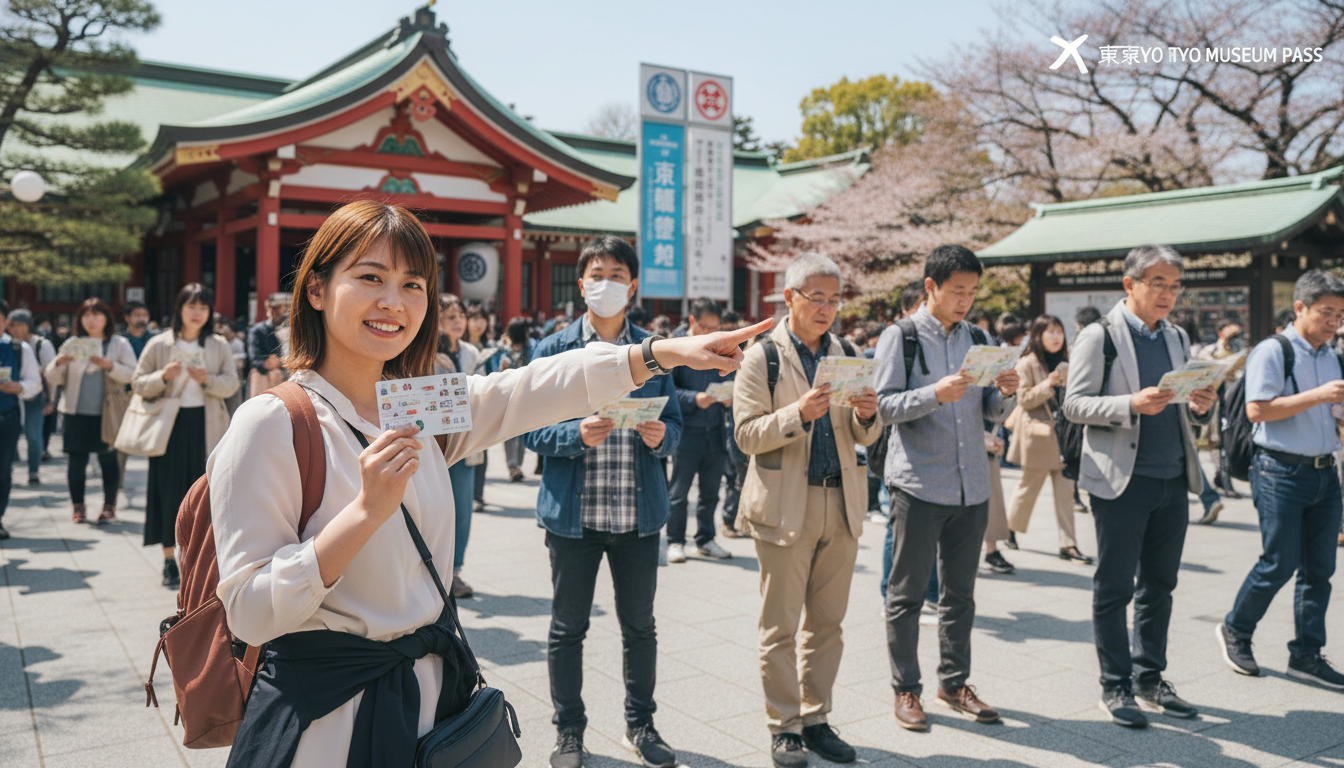
Grutto Pass: How Tokyo’s ¥2,500 cultural passport unlocks 100+ museums and gardens
Get unlimited single-entry access to more than 100 Tokyo museums, galleries, gardens and zoos with the Grutto Pass for ¥2,500, valid for two months from first use.
Tokyo’s cultural passport and the headline change for 2026
The Grutto Pass gives visitors and residents single-entry access or discounts at more than 100 museums, galleries, parks and zoos across Tokyo for a fixed price of ¥2,500.
The pass is intended to encourage exploration of the capital’s museums, from major art institutions to niche collections, and has become a staple for people looking to sample Tokyo’s cultural breadth without buying multiple tickets.
This year’s lineup includes major museums, reopened flagship venues and seasonal exhibitions, and the pass rules remain straightforward: digital delivery via QR code, single use per facility, and a two-month validity period that begins the first time the pass is scanned.
Practical rules are important: the Grutto Pass is non-refundable, cannot be combined with other discounts, and participation by individual venues may change from year to year.
How to buy and use the Grutto Pass
The simplest way to purchase the Grutto Pass is to buy a digital ticket through the official sales page, after which a QR code is issued by email for scanning at participating sites.
Buyers may also pick up a physical pass directly at participating museums and attraction counters, or obtain an exchange ticket from convenience stores such as 7-Eleven, Lawson and FamilyMart and swap it for a pass at any partner facility.
Once the pass is scanned at a venue the two-month validity period starts; holders should plan visits accordingly because the pass is valid only for one entry per listed facility.
Visitors are advised to download the English information pamphlet available from the Grutto Pass operator, which lists partner venues by district and includes a transport map that helps build logical museum routes.
Major art institutions accepting the Grutto Pass in 2026
Among the large, internationally recognised art museums that accept the pass are the National Museum of Western Art, the Museum of Contemporary Art Tokyo and the Mori Art Museum.
The National Museum of Western Art in Ueno offers discounted admission to its permanent collection, making the Grutto Pass a cost-effective option for those who want to see Impressionist and modern masterworks.
The Museum of Contemporary Art Tokyo, located in Kiyosumi-shirakawa, provides free entry to its MOT Collection exhibition under the pass and staged thematic shows at reduced prices.
The Mori Art Museum in Roppongi applies a discount to many of its high-profile thematic exhibitions, and remains a popular late-evening venue for contemporary global and Asia-Pacific programming.
Several high-quality private collections and regional institutions also participate; among honourable mentions are the Mitsui Memorial Museum in Nihonbashi and other specialized art venues that rotate exhibitions through the year.
Historic and cultural sites on the Grutto Pass
The Grutto Pass covers a number of museums dedicated to Japan’s cultural heritage, including the Tokyo National Museum and the recently renovated Edo-Tokyo Museum.
The Tokyo National Museum in Ueno offers a discount to its TNM Collection exhibitions and provides access to a broad sweep of Japanese and Asian art spanning many centuries.
The Edo-Tokyo Museum reopened on March 31, 2026 after major renovations, with redesigned exhibition spaces and new interactive installations that highlight the city’s development from the early 17th century to the present.
The Sumida Hokusai Museum and smaller neighbourhood museums such as the Fukagawa Edo Museum and the Shitamachi Museum are included as well, giving pass holders opportunities to explore ukiyo-e, local history and traditional crafts.
Visitors should check individual museum noticeboards or websites ahead of a visit to confirm schedules, special exhibitions and any temporary closures that can affect access.
Niche and specialist museums that expand the itinerary
Tokyo’s cultural ecosystem includes many eccentric and specialist collections that are covered by the Grutto Pass, offering oddities and deep dives alongside canonical institutions.
Rail enthusiasts can visit the Metro Museum in Edogawa, where historical rolling stock, station models and interactive simulators narrate the development of Tokyo’s subway system.
The Printing Museum in Bunkyo and the Tobacco and Salt Museum in Sumida are examples of focused museums where everyday materials are investigated through archives, artifacts and hands-on displays.
The Edo-Tokyo Open Air Architectural Museum in Koganei Park recreates street-fronts and residential buildings from different eras, creating a rare opportunity to walk through preserved and reconstructed structures.
These specialist venues often provide workshops, docent talks and demonstrations that reward repeat visits and make the Grutto Pass useful for learning-focused outings.
Gardens, historic residences and park museums included with the pass
The pass is not limited to indoor galleries; several historic gardens and former estates are covered, making it simple to combine nature and culture in a single outing.
Hama-rikyū Gardens near Shiodome, Rikugien in Komagome and the Kyū-Iwasaki-tei Gardens beside Ueno each offer free admission under the Grutto Pass, allowing visitors to sample Edo-period landscape design and Meiji-era architecture.
Jindai Botanical Gardens in Chōfu is one of Tokyo’s largest botanical collections and is listed among participating green spaces, offering extensive plantings, an award-winning rose garden and seasonal highlights.
Many garden sites include teahouses or small museum spaces where curatorial displays explain the site’s history, and these can be combined with nearby museums for half-day or full-day itineraries.
Science, family-friendly venues and temporary closures to note
The Grutto Pass includes family-focused and science museums such as Miraikan — the National Museum of Emerging Science and Innovation — and regional science centres with planetariums.
Miraikan in Odaiba provides free entry to its permanent galleries under the pass, but it is scheduled to close for renovations from October 2026 through April 22, 2027, so visitors should factor that date range into trip planning.
Other science venues such as the Tamarokuto Science Center include planetarium shows or film screenings within the pass offering, which can be particularly attractive for families and school groups.
While the pass grants access to permanent and many thematic exhibitions, it does not always cover every special event or ticketed program, so checking exhibition price lists in advance will prevent surprises.
How to plan an efficient museum day: sample Ueno half-day itinerary
A practical way to test the Grutto Pass is to plan a concentrated half-day in a single district; Ueno is an ideal example because multiple major museums are close together.
Begin at the Shitamachi Museum for a concise introduction to the local neighbourhood’s history, then move to the Tokyo National Museum for a highlights tour of Japanese art and samurai collections.
After a park-side lunch, finish at the Tokyo Metropolitan Art Museum for a thematic or blockbuster exhibition; all three venues are within a short walk in Ueno Park, making the route compact and manageable.
Weekday mornings are recommended to avoid crowds and make the most of a single-entry pass, especially when exhibitions are popular or when special shows are on view.
Costs, limitations and savvy tips for buyers
At ¥2,500 the Grutto Pass is priced to encourage exploration; buyers should view it as a single-entry passport that reduces the marginal cost of visiting multiple venues.
Because the pass is valid for two months from first use, it suits both short-stay travellers and residents who plan to spread visits across several weeks.
The pass cannot be combined with other discounts and is non-refundable, so buyers should choose purchase method and timing with that in mind.
For multilingual support, the official pass material includes an English information pamphlet that lists partner venues by area and provides a transport map to help design routes between sites.
Why the Grutto Pass matters for Tokyo’s cultural audience
Tokyo’s concentration of museums, galleries and historic gardens is among the densest in the world, and the Grutto Pass lowers the barrier to sampling that diversity in a cost-efficient way.
By bringing elite art museums, local history centres and offbeat specialist collections under one ticketing framework, the pass nudges visitors to explore beyond a single marquee site.
It also helps small and medium-sized museums reach new audiences by offering a predictable flow of visitors who might otherwise not have discovered them.
For residents, students and cultural tourists, the pass can transform casual curiosity into repeated learning by making one-off visits more affordable.
Final practical checklist before you buy
Confirm whether you want a digital QR pass or a physical card, and note that digital purchases supply the QR code by email that will be scanned at each facility.
Decide when to activate the pass because the two-month validity period begins on first use; if you buy the pass weeks before travelling, consider when you will scan it at a venue.
Check museum websites or call ahead for major temporary exhibitions, scheduled closures and any access restrictions that could affect your planned itinerary.
Bring photo ID if a museum requests it for special exhibitions, and consider visiting weekday mornings for the quietest experience.
The Grutto Pass offers an efficient way to explore Tokyo’s rich museum landscape for ¥2,500, and with a little planning it can turn a handful of short visits into a substantive cultural immersion.

