
Japan Turns to China as Middle East Turmoil Triggers Naphtha Shortages and Surge in Polyethylene Imports
Middle East disruption cuts naphtha supplies, forcing Japanese firms to import more polyethylene and xylene from China, raising costs and supply-chain risks. (157 characters)
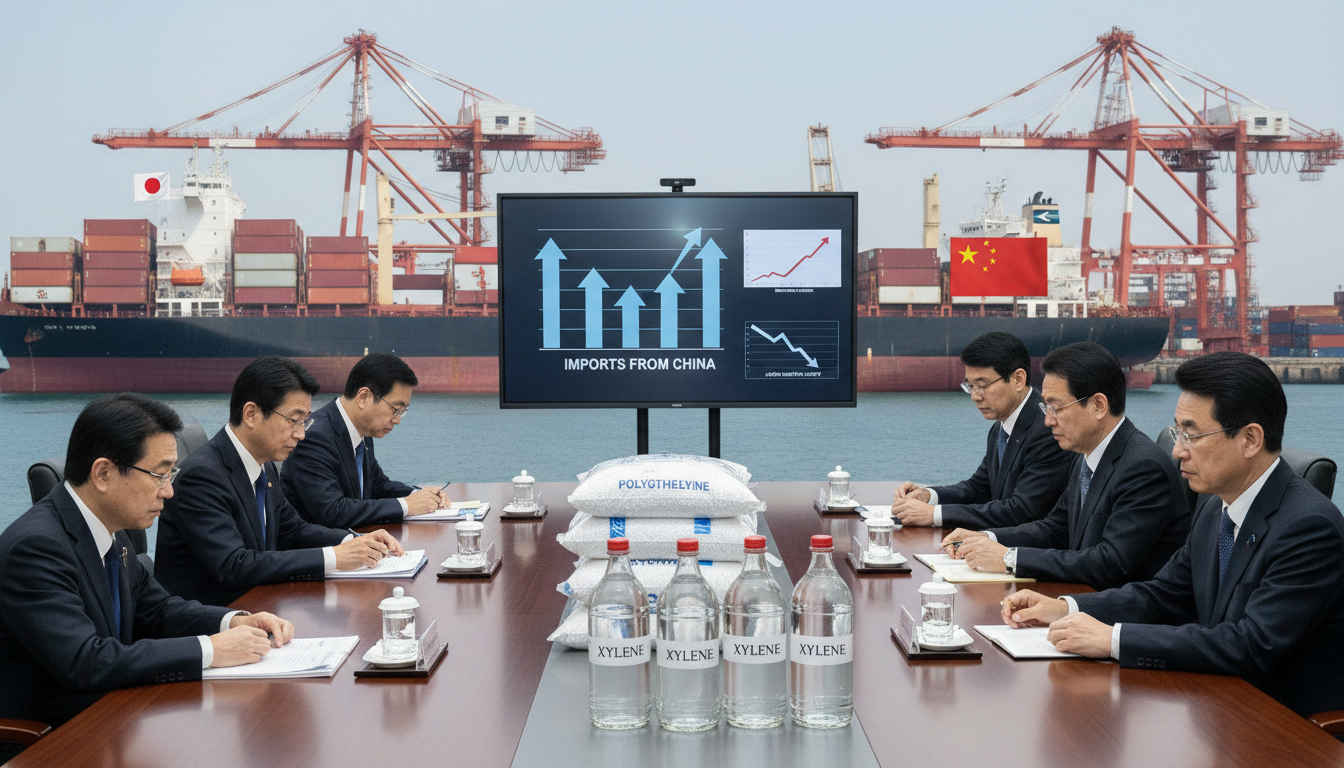
Japanese manufacturers are confronting a tightening market for naphtha, the petrochemical feedstock vital to producing plastics and solvents, after supply disruptions linked to recent Middle East turmoil. The shortage has accelerated a shift toward Chinese suppliers for finished chemicals such as polyethylene and xylene, which are used in products from food trays to tires. The pivot is reshaping trade flows and lifting import volumes and prices for key polymer and solvent grades.
Supply Shock from the Middle East
Japan’s dependence on naphtha historically routed through the Middle East has left the country exposed to regional instability, industry participants say. Recent incidents in the region have curtailed flow and raised concerns about timely cargo deliveries to East Asian refineries and petrochemical plants.
Smaller feedstock inventories at Japanese facilities have reduced flexibility and forced buyers to seek alternative sources of finished chemicals. That dynamic has contributed directly to surging imports of polyethylene and paint thinner-grade xylene as stopgap measures.
Increase in Chinese Chemical Imports
Trade data and industry observers indicate a measurable rise in shipments from China as Japanese firms scramble to cover shortfalls. Chinese producers, many of which have access to diversified feedstock via domestic refining and alternative imports, have been able to increase exports of polymer resins and solvents to Japan.
Buyers report that lead times for Chinese cargoes remain shorter than sourcing from farther afield, though logistical bottlenecks and port congestion can still complicate deliveries. The move has accelerated commercial ties between downstream Japanese manufacturers and Chinese chemical suppliers.
Market Impact on Polyethylene and Xylene
Prices for polyethylene grades used in packaging and industrial applications have climbed as purchasing activity intensifies, according to market sources. The surge is most pronounced in low- and mid-density resin segments commonly used in consumer packaging and food-contact applications.
Xylene, a paint-thinner feedstock and solvent, has also seen price pressure as buyers seek alternatives to naphtha-derived intermediates. The combined effect is elevating production costs for converters and brand owners that rely on these feedstocks for everyday products.
Operational Strain on Japanese Manufacturers
Manufacturers in sectors from packaging to automotive components are adapting formulations and sourcing strategies to manage disruptions. Some firms report increases in procurement costs and heightened scrutiny of inventory planning as they try to avoid production stoppages.
Secondary impacts include the need to qualify alternative resins and solvents for regulatory and food-safety compliance, a process that can add time and expense. Smaller companies without long-term supply contracts face particular vulnerability to short-term price spikes and delivery uncertainty.
Logistical and Quality Considerations
Sourcing finished chemicals from China reduces lead time in some cases, but introduces new logistical considerations for Japanese importers. Differences in resin grades, additive packages, and quality control standards require closer technical collaboration between buyers and suppliers.
Customs processing and port handling remain potential choke points as volumes swell, and buyers are increasingly combining longer-term contracts with spot purchases to balance continuity and cost. Industry groups are urging clearer communication along the supply chain to prevent mismatches between specification and delivered product.
Policy and Industry Responses
Trade bodies and manufacturing associations have called for diversified procurement strategies and enhanced domestic stockpiling to blunt future shocks. Some companies are evaluating investments in alternative feedstocks and recycling streams to reduce reliance on naphtha-derived inputs.
At the same time, procurement teams are renegotiating terms with suppliers and exploring joint ventures with Chinese producers to secure steadier access to polyethylene and xylene. Regulatory authorities are monitoring market developments to guard against unfair trading practices and protect critical industrial supply chains.
The shift toward Chinese chemical imports is a pragmatic response to an immediate naphtha shortfall, but it brings new commercial and operational trade-offs. As supply conditions evolve, Japanese manufacturers will have to balance cost, quality and resilience to navigate the changing petrochemical landscape.

