
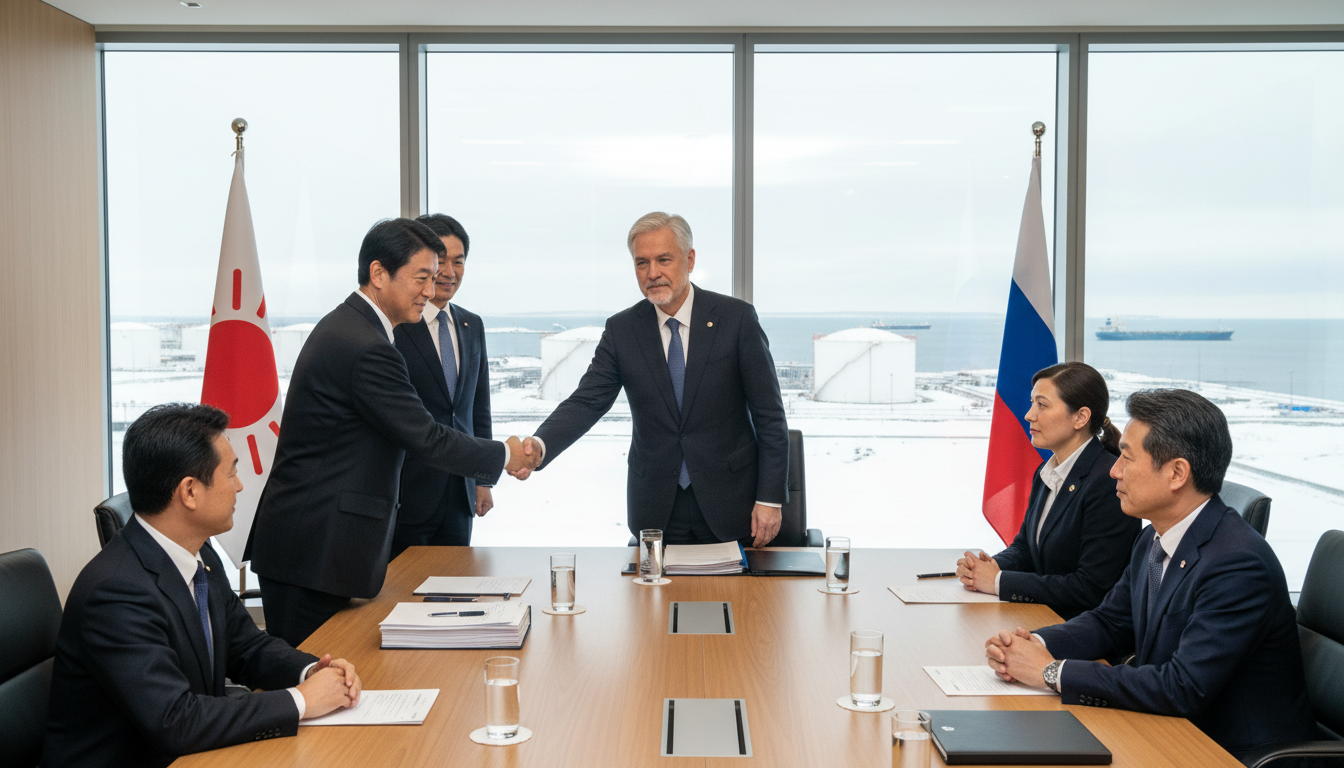
Taiyo Oil buys crude from Sakhalin-2 amid Middle East turmoil, says spot purchase not subject to sanctions
Taiyo Oil buys crude from Sakhalin-2 to boost supply stability amid Middle East turmoil; company says the spot purchase is not subject to sanctions for now.
TOKYO — Taiyo Oil buys crude from Sakhalin-2 in the Russian Far East, the company said on Friday, framing the transaction as a short-term measure to diversify supply amid escalating unrest in the Middle East. The firm told reporters the shipment was a spot purchase and that, in its view, the transaction was not subject to current sanctions restrictions. The move underscores growing efforts by Japanese importers to shore up energy supplies as global markets contend with heightened geopolitical risk.
Taiyo Oil confirms Sakhalin-2 shipment
Taiyo Oil issued a statement confirming it procured crude sourced from the Sakhalin-2 project, saying the purchase was executed on the spot market. The company emphasized the transaction was aimed at ensuring steady supply for domestic refining operations amid disruptions elsewhere.
Company representatives did not disclose the precise volume or the seller by name, but they described the cargo as a one-off procurement to address near-term needs. The firm reiterated that the deal was assessed against applicable trade and sanctions rules before it proceeded.
Sanctions assessment and legal stance
Taiyo Oil said the spot purchase was not subject to existing sanctions, noting the company had reviewed the legal position prior to the transaction. The statement stopped short of detailing the legal advice or naming specific authorities consulted, reflecting the sensitivity of transactions involving Russian energy assets.
Analysts caution that sanctions regimes are complex and subject to rapid change, and firms trading in Russian-linked commodities often seek formal guidance to mitigate compliance risks. Tokyo-based importers now face heightened scrutiny from regulators and market observers over any dealings that could intersect with geopolitical measures.
Context: Middle East turmoil and Japanese energy security
Japan has faced growing anxiety over energy security since recent flare-ups in the Middle East disrupted shipping routes and raised crude price volatility. Importers and refiners are increasingly looking to diversify suppliers and secure alternative cargoes to smooth supply chains in uncertain times.
Government officials and industry executives have been urging companies to take pragmatic steps but to remain within the bounds of international regulations. For some firms, spot purchases from alternative producers have become a short-term response to protect domestic fuel supplies and maintain refining schedules.
Market reaction and industry implications
Markets showed muted immediate reaction to Taiyo Oil’s announcement, reflecting the limited scale of a single spot purchase and the broader availability of global crude. Traders said the psychological impact, however, could be more significant if more Japanese buyers pursued similar deals in the weeks ahead.
Energy analysts said the move highlights the balancing act for Japanese firms between securing supplies and managing reputational and regulatory exposures. Larger shifts in procurement patterns would be watched closely by both domestic policymakers and international partners concerned about compliance with sanctions frameworks.
Logistics and supply chain considerations
The crude was reported to originate in the Russian Far East, a region that supplies a portion of Japan’s imported hydrocarbons through tanker shipments. Logistics for such cargoes typically involve short sea voyages to domestic ports, though vessels and insurance arrangements vary depending on origin and buyer terms.
Taiyo Oil said it would continue to monitor market and geopolitical developments and adjust procurement plans as needed. Shipping schedules, charter arrangements and insurance costs remain important variables that can affect the feasibility and timing of spot buys from distant or politically sensitive sources.
Industry watchers call for transparency
Energy industry observers and some policy experts urged greater transparency from private-sector buyers about how they assess sanctions risk and the criteria they use for emergency procurements. Clearer disclosures, they argued, could help prevent misunderstandings and reassure domestic stakeholders that companies are acting responsibly.
At the same time, companies face commercial incentives to avoid publicizing detailed procurement tactics that could weaken negotiating positions in tight markets. The tension between commercial confidentiality and public accountability will likely shape discussions as procurement moves adapt to evolving global risks.
Taiyo Oil’s confirmation of a spot crude purchase from Sakhalin-2 comes as Japan’s energy landscape grapples with both short-term shocks and longer-term shifts in supply sources. The company’s characterization of the deal as compliant with current restrictions will be followed closely by regulators and trading partners, even as markets and policymakers weigh broader implications for import strategies going forward.

