
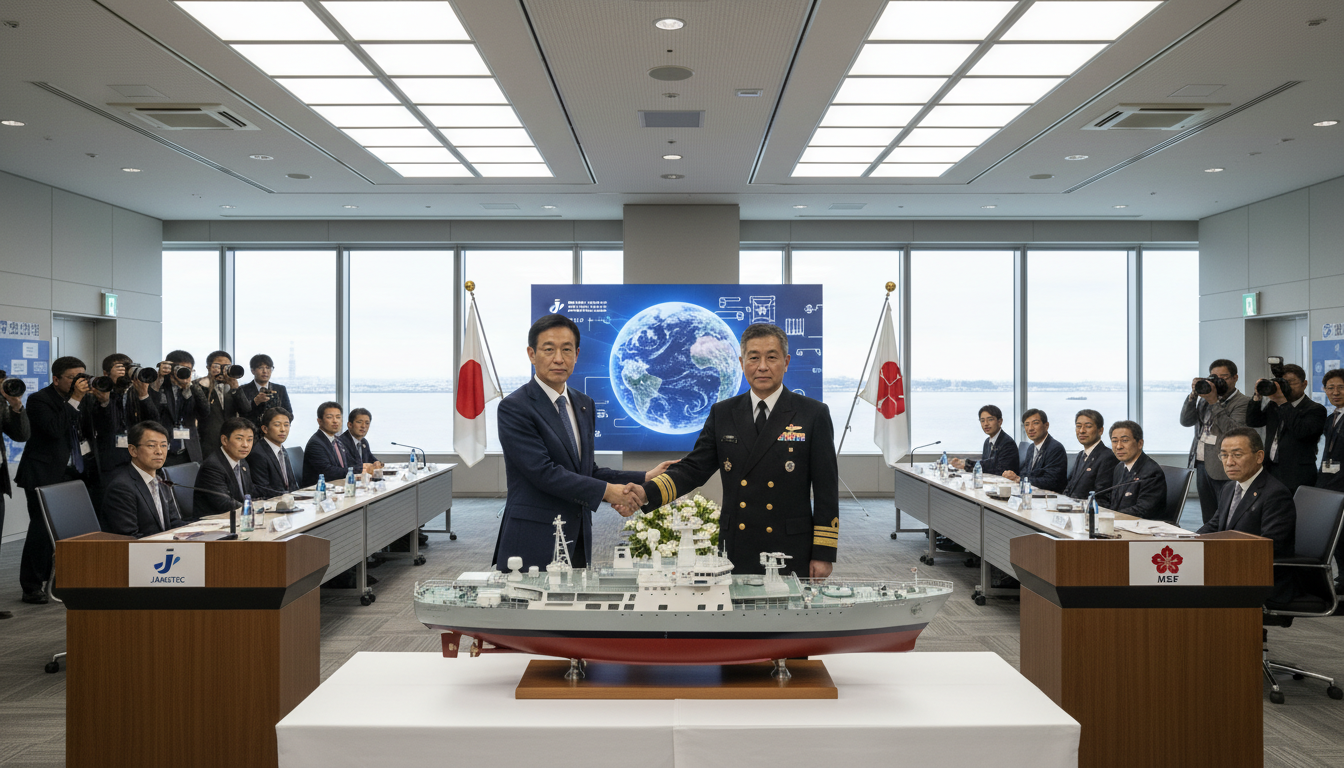
JAMSTEC to Operate Shirase Successor as MSDF Cites Personnel Shortages and Rising Maritime Duties
Japan to transfer operation of Antarctic research ship Shirase successor to JAMSTEC as MSDF faces personnel shortages and expanding maritime duties from 2026.
The government has decided that the Japan Agency for Marine-Earth Science and Technology (JAMSTEC) will assume operation of the successor to the Antarctic research ship Shirase, a move announced in a government plan released in May 2026. The announcement names the Antarctic research ship Shirase as central to the change, noting the MSDF will hand over responsibilities as part of a broader shift in maritime roles. Officials said the change responds to increasing surveillance demands and longstanding manpower constraints within the Maritime Self-Defense Force (MSDF).
Government Plan Entrusts JAMSTEC with Successor Operations
The Cabinet-approved plan stipulates JAMSTEC will manage the Shirase successor vessel and its Antarctic mission logistics once the new ship enters service. The decision formalizes a transfer of operational control from the MSDF to a civilian research agency with maritime expertise.
Officials described the move as an administrative and operational realignment intended to protect uninterrupted Antarctic research while allowing the MSDF to focus on expanding security obligations. The arrangement will cover vessel operations, scientific support coordination, and associated logistics under JAMSTEC leadership.
Defense Ministry Points to Personnel Shortages and Growing Surveillance Zones
At a meeting held at the Education, Culture, Sports, Science and Technology Ministry on April 16, 2026, a Defense Ministry official said the areas requiring surveillance have expanded significantly. The official told ministry members that the MSDF is understaffed overall, making it difficult to secure enough personnel to sustain both defense and research missions.
The official cited increased activity by neighboring countries in surrounding waters as a driver of higher operational tempo for the MSDF. That intensified demand, the ministry said, has reduced the force’s ability to continue operating the Shirase on its historical schedule without adding personnel or reallocating tasks.
MSDF’s Six-Decade Record of Antarctic Support
The MSDF has supported Japanese Antarctic research for more than 60 years, beginning with the dispatch of the icebreaker Fuji in 1965. Since then, the MSDF has provided vessels, helicopters and crews that have enabled annual resupply voyages and scientific deployments to Antarctic stations.
In recent years, roughly 170 to 180 MSDF personnel have been assigned each year to sail the Shirase, carrying researchers, equipment and supplies between Japan and Antarctica. That sustained commitment underpinned Japan’s presence on the Antarctic continent and helped maintain continuity in long-term scientific programs.
Operational Details of Shirase Missions and Transition Challenges
The Shirase traditionally transports scientists, logistical personnel and containers of equipment while also supporting helicopter operations for shore transfers. Maintaining ice-capable vessels and trained crews requires a specialized pool of seafarers and aviation support personnel, officials said.
Transitioning operation to JAMSTEC will require integrating research planning, ship maintenance and crew management under a civilian framework. The government has indicated that JAMSTEC will work with the MSDF and other stakeholders during the handover to preserve operational safety and scientific timetables.
Retirement Timeline for Shirase and Succession Planning
The Shirase is scheduled for retirement in 2034, and the government’s plan foresees the successor vessel entering service ahead of or around that date. The announcement does not specify the successor’s exact delivery date, but it establishes JAMSTEC as the agency charged with day-to-day operation once the new ship is commissioned.
Officials said the phased approach aims to avoid gaps in Antarctic logistics capacity between the Shirase’s retirement and the start of the successor’s operations. The MSDF will continue to support the Shirase until the formal handover and will coordinate with JAMSTEC on training and procedural alignment.
Implications for Antarctic Science and International Collaboration
Researchers and program managers have underscored the importance of stable ship operations for seasonal fieldwork, long-term monitoring and international cooperation in Antarctica. Ensuring a seamless operational transfer is seen as critical to preserving Japan’s commitments to scientific research and to multilateral agreements governing Antarctic activity.
Observers say the move could strengthen Japan’s civilian-led research capacity while allowing the MSDF to prioritize security operations closer to home. The government has emphasized that the change is administrative and operational, not a reduction in support for Antarctic science, and that international partnerships will continue to be a focus.
The government’s plan marks a notable institutional shift in how Japan will sustain its Antarctic presence, positioning JAMSTEC to lead shipborne scientific missions while the MSDF reallocates resources to meet growing maritime security demands.

