
Emergency provisions debate intensifies in Lower House as parties split on emergency decrees
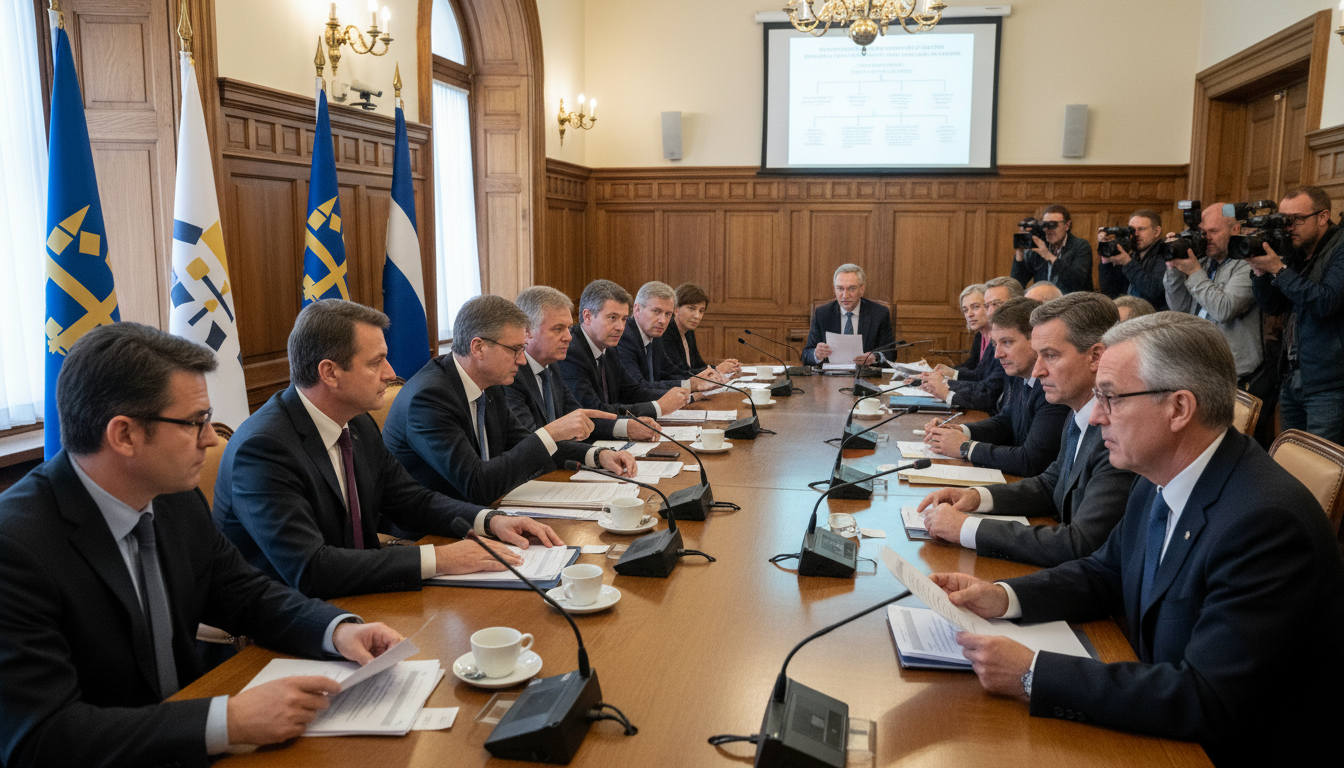
Japan’s Lower House constitutional review panel heard party statements on May 14, 2026, focusing on proposed emergency provisions that would enshrine measures such as term extensions for Diet members and emergency decrees in the constitution. The keyword emergency provisions appears at the center of debate as ruling parties press for concrete drafting while opposition members warn against concentrating power in the executive. Lawmakers aired sharply divided views on procedures, parliamentary safeguards and temporary measures to maintain state functions during crises.
Panel session and party positions
The Lower House constitutional review committee convened on May 14 to take formal statements from party representatives about a secretariat-drafted proposal on emergency provisions. Ruling party voices called for moving from abstract principles to concrete text, arguing the constitution should set clear rules for crises that could impair elections or parliamentary functions. Opposition delegations pressed for detailed safeguards and cautioned that broad emergency powers could erode democratic checks and balances.
Proposals for temporary reinstatement of former lawmakers
LDP member Shindo Yoshitaka urged the panel to permit the temporary restoration of former Diet members’ status in designated “election-impossible” situations, so they could participate in parliamentary decisions pending a formal vote. He suggested a practical upper limit of around six months for any such reinstatement, framing it as a limited measure to preserve representative government when regular elections cannot be held. The proposal reflects a priority among some ruling circles to ensure quorum and continuity in lawmaking during acute disruptions.
Emergency decrees and legal effect under scrutiny
The draft submitted by the Diet secretariat would authorize the cabinet to issue emergency decrees with the same effect as law when “there is no time to wait” for parliamentary legislation, a formulation that drew intense scrutiny. Proponents, including Shindo, described emergency decrees as an essential contingency tool to maintain state functions in extreme circumstances. Critics countered that vesting law-equivalent authority in the executive risks unchecked policymaking and urged precise triggers, narrow scope and sunset clauses.
Innovation party pushes immediate drafting committee
Japan Innovation Party representative Baba Nobuyuki dismissed blanket opposition to the emergency provisions as a reflexive “anti-constitutional” stance and pushed for rapid institutionalization of drafting work. He called for formation of a dedicated text-drafting committee without delay so that concrete constitutional language could be produced and debated. The Innovation Party’s position underscores the divide between those seeking immediate textual progress and those demanding extended deliberation and public consultation.
Opposition emphasis on preserving parliamentary function
Centrist and opposition lawmakers, exemplified by Kunishige Toru of the Centrist Reform Union, argued the panel should prioritize how the Diet will continue to function in emergencies rather than only expanding executive powers. Kunishige stressed measures such as clear deadlines for convening extraordinary Diet sessions and reconsideration of the lower house dissolution power as part of a package. Several opposition figures also signaled wariness toward any clause that would allow the cabinet to bypass ordinary legislation for prolonged periods.
Political outlook and next steps in the constitutional review
The session on May 14 made clear that emergency provisions are the focal point of constitutional revision debates in the Lower House, but it also exposed the lack of cross-party consensus on basic safeguards. Ruling parties appear determined to accelerate textual work, with some urging the immediate creation of drafting panels and a timetable for finishing clause language. Opponents are likely to press for narrow definitions, external oversight mechanisms and an emphasis on maintaining parliamentary prerogatives before any final wording is agreed.
The coming weeks are expected to include further committee hearings, technical drafting by legal experts and renewed exchanges between government and opposition negotiators. Public attention is likely to intensify as discussions shift from conceptual frameworks to the specific language that would define the scope, triggers and duration of emergency powers in the constitution.

