
Japan Plans Early Warning Drones and Mobile Radar for Ogasawara to Strengthen Pacific Surveillance
Japan to field early warning drones and mobile radar on Ogasawara islands to boost Pacific surveillance, deter Chinese maritime moves, and extend detection.
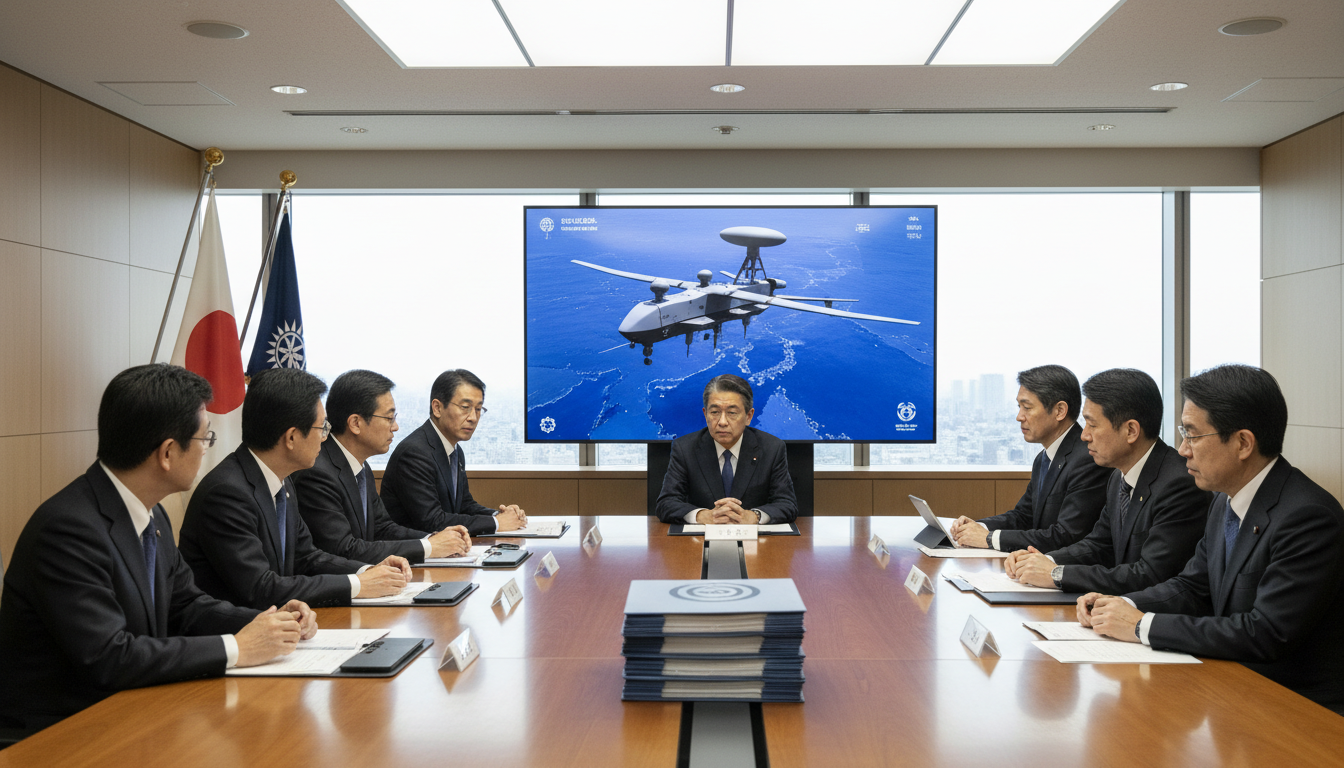
Japan is moving forward with plans to equip its Self-Defense Forces with early warning drones and to deploy mobile radar systems across the Ogasawara island chain, government sources said. The proposal, aimed at bolstering Pacific surveillance, is expected to be folded into this year’s revisions of the Defense Buildup Program and related security documents. Officials see the initiative as a response to increased Chinese maritime activity along the Second Island Chain and a measure to close long-standing surveillance gaps. The introduction of unmanned airborne radar platforms is intended to expand persistent monitoring while easing operational strains on personnel.
Planned Integration Into Defense Policy
The government intends to include the early warning drones and radar upgrades in three key security documents set for revision within the year. These documents will outline timelines, procurement priorities, and infrastructure investments needed to operate the new systems. Sources say the measures are part of a broader effort to modernize Japan’s surveillance posture in the Pacific and improve coordination among the Ground, Maritime and Air Self-Defense Forces. Formal budget proposals and procurement decisions are expected as the policy revisions are finalized.
MQ-9B SeaGuardian Identified as Leading Candidate
Among potential aircraft to carry airborne early warning radar, the U.S.-built MQ-9B SeaGuardian has emerged as a primary candidate, officials reported. The Maritime Self-Defense Force has plans to introduce the SeaGuardian in fiscal 2027, and its long endurance and sensor capabilities make it suitable for wide-area maritime monitoring. While the final choice of platform has not been decided, the SeaGuardian’s ability to remain aloft for extended periods and host advanced radar packages is a key factor driving discussion. Procurement timelines will depend on budget approval and operational testing.
Island Bases and Runway Use Under Review
Authorities are evaluating runway use on remote islands such as Iwoto and Minami-Torishima to support drone launches and recoveries, officials said. Iwoto and several islands in the Ogasawara chain are positioned along the Second Island Chain and would offer strategic basing for persistent surveillance missions. Using existing airfields where feasible could reduce construction needs and accelerate operational deployment. Surveys and logistical assessments are underway to confirm runway suitability and the scope of required upgrades.
Mobile Radar Deployment and Replacement Plans
The government plans to deploy vehicle-mounted warning and control radar systems on Iwoto and Chichijima and to replace older stationary radars with mobile alternatives. A mobile radar installation on Chichijima is slated for surveys that will begin this fiscal year, according to sources. Replacing fixed systems with mobile units is intended to increase flexibility and reduce vulnerability to targeted attacks or environmental damage. The combination of airborne and ground-based sensors is designed to create overlapping coverage and improve detection of low-altitude and long-range threats.
Rationale: Deterring Activity Along the Second Island Chain
Officials justify the stepped-up surveillance by pointing to assessments that characterize the Pacific area as increasingly contested, with China enhancing its maritime posture. Tokyo assesses that Beijing is seeking the capability to limit U.S. force access inside the Second Island Chain in the event of contingencies, making monitoring along that line more urgent. Recent Chinese naval and air operations, including the simultaneous deployment of two aircraft carriers last year and instances of carrier-based aircraft illuminating Japanese planes with radar, have reinforced policymakers’ concerns. Strengthening early detection and response capabilities is presented as essential for deterrence and operational preparedness.
Operational Benefits and Workforce Implications
Introducing early warning drones would extend time-on-station for surveillance missions and reduce reliance on crewed aircraft for persistent patrols, defence sources said. Airborne radar platforms can detect low-flying aircraft, surface vessels and other contacts that are hard to spot from shore or ship-based sensors due to the curvature of the Earth. Longer endurance missions could allow Japan to cover more remote maritime areas with fewer sorties, easing the operational tempo for SDF personnel. At the same time, integrating unmanned systems will require new command-and-control procedures, maintenance structures and training programs.
The government’s consultations will also weigh interoperability with U.S. forces and the technical demands of operating sophisticated radar payloads from unmanned platforms. Procurement choices and base preparations will reflect both capability needs and alliance coordination.
Final decisions on specific aircraft models, deployment schedules, and budget allocations are expected to crystallize as the Defense Buildup Program and related security plans are finalized later this year.

