
Sanseitō Disciplines 10 Local Officials Over National Health Insurance Evasion
Sanseitō disciplined 10 local officials for national health insurance evasion after they joined nominal firms to enter social insurance and avoid premiums.
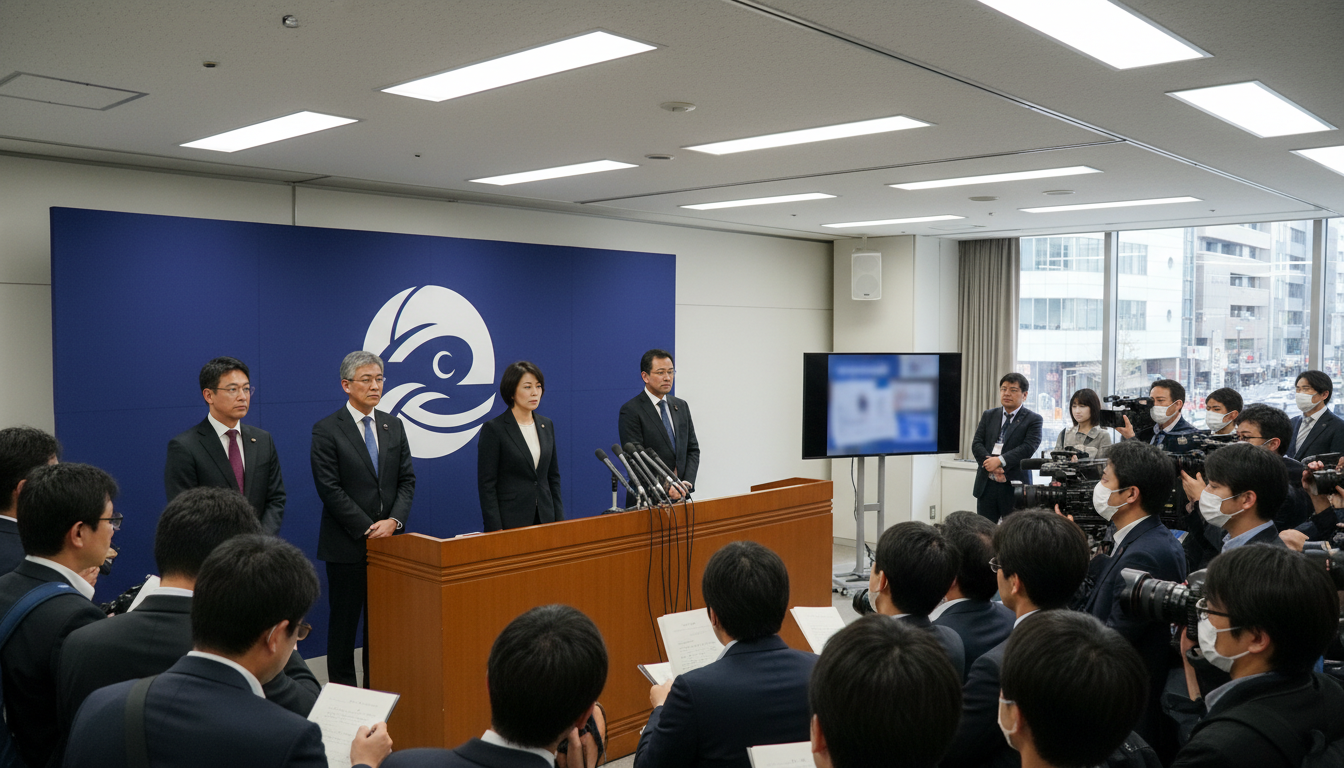
Sanseitō announced on May 18, 2026 that it had disciplined 10 party-affiliated local officials for involvement in a scheme to evade National Health Insurance premiums. The party said the officials became officers of companies with little actual business activity in order to enroll in employment-based social insurance and reduce or avoid community-based health insurance payments. The announcement followed an internal review and an extraordinary press conference held by party leader Sōhei Kamiya.
Scope of the disciplinary measures
Sanseitō said eight city councillors who had used the arrangement were recommended to leave the party, and additional members and councillors who encouraged the enrollments were subjected to expulsions and reprimands. The party characterized the actions as coordinated attempts to exploit a gap between insurance systems. Officials declined to provide the personal names of all those sanctioned at the May 18 announcement, citing privacy and ongoing internal procedures.
How the alleged evasion operated
According to the party’s statement, the scheme involved officials registering as executive officers of legally constituted but operationally thin corporations. By becoming corporate officers, those involved became eligible for social insurance programs tied to employment, which typically shift health and pension contributions to employers and employees, rather than community-based National Health Insurance schemes. Sanseitō said the resulting change in insurance status reduced or eliminated individuals’ obligations under the municipal National Health Insurance system.
Geographic reach and timeframe of conduct
The eight councillors urged to leave the party included elected officials from Ichikawa in Chiba Prefecture, Fukui City in Fukui Prefecture, and Higashiosaka in Osaka Prefecture. Sanseitō reported that the conduct dated from September 2023 through June 2025. The party’s disclosure limited the geographic list to those municipalities directly cited in its internal findings, while noting that investigations are intended to determine whether the practice extended further.
Leader’s response and acceptance of responsibility
At an extraordinary press conference, Sōhei Kamiya said the case represented “a failure of supervision and the responsibility of the executive,” and he offered an apology on behalf of the party. Kamiya acknowledged lapses in internal oversight and said the party would review its candidate vetting and compliance processes. He framed the disciplinary steps as necessary to restore public trust, and he pledged follow-up measures to prevent recurrence.
Sanctions imposed and party process going forward
Sanseitō’s internal panel issued a mix of penalties, including recommendations for councillors to leave the party (離党勧告), expulsions (除名処分) for members who actively encouraged the transfers to social insurance, and formal reprimands (譴責). The party said it would notify municipal assemblies and relevant administrative bodies where appropriate, and would cooperate with any external inquiries. Sanseitō also signaled that further sanctions could follow depending on the results of ongoing reviews.
Political and administrative implications
Legal experts and municipal officials say the case raises questions about the boundary between legitimate employment-based insurance enrollment and schemes designed primarily to avoid local insurance obligations. If municipal authorities determine benefits were wrongly claimed or premiums improperly avoided, affected councils could face demands for back payments or administrative penalties. Politically, the affair may intensify scrutiny of candidate screening and internal governance across smaller national parties.
The disclosure has already drawn public attention to the administrative complexities created by Japan’s bifurcated social insurance system, which separates community-based National Health Insurance for the self-employed and unemployed from employment-based social insurance for company employees. Sanseitō’s decision to publish its findings and impose penalties aims to contain reputational damage, but the party’s leadership has emphasized systemic corrective steps to rebuild trust.
Public reaction across social and local media reflected concern about ethical standards among elected officials, with commentators noting that the case could influence voters’ perceptions in upcoming local elections. Sanseitō said it will present a detailed review of its compliance reforms to rank-and-file members and to the public, and will consider external audits to ensure transparency.

