
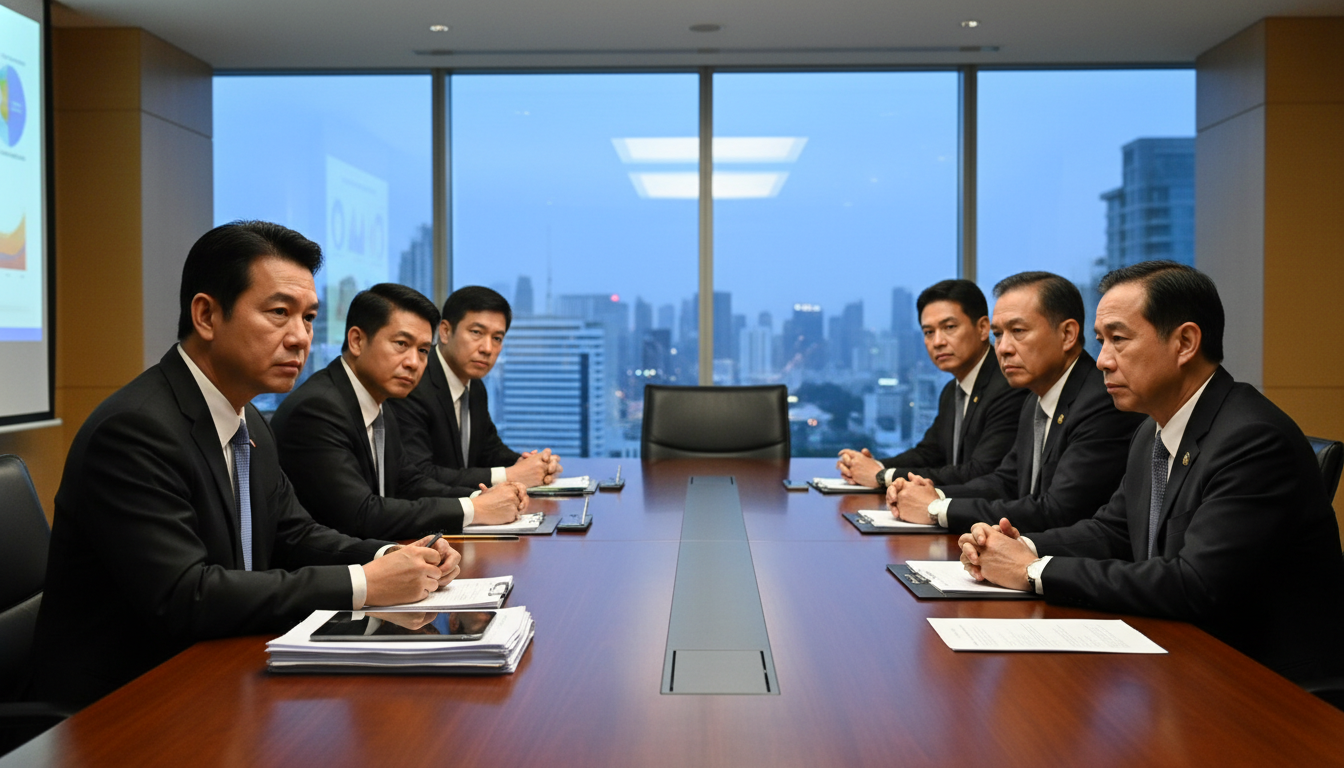
CP All Board Opposes Charoen Pokphand Group Plan to Transfer Finance Units Ahead of Shareholder Vote
CP All’s board has objected to Charoen Pokphand Group’s proposal to transfer finance units, as a shareholder vote in May 2026 could reshape the operator of Thailand’s 7‑Eleven network.
CP All, the operator of 7‑Eleven stores in Thailand, has formally raised objections to a restructuring plan for its finance business pushed by its major shareholder, Charoen Pokphand Group. The dispute highlights an internal split within one of Thailand’s largest family‑controlled conglomerates and comes as a retail‑unit shareholder vote approaches. Members of CP All’s board have expressed concern that transferring financial units could undermine the company’s core retail operations and long‑term value.
Board Opposition and Internal Dissent
CP All’s board has voiced reservations about the proposed transfer of its finance units, arguing the move may not align with the company’s strategic or operational interests. Board members are concerned that separating financial services could create business and regulatory risks for the retail network that operates thousands of convenience stores nationwide.
The objection represents a significant public disagreement because Charoen Pokphand Group is the company’s largest shareholder and a founding family concern. The clash underscores broader governance questions as family‑controlled conglomerates pursue consolidation or restructuring across diversified holdings.
Outline of the Restructuring Proposal
The plan under debate would consolidate finance and related assets under entities controlled or favored by the Charoen Pokphand Group, according to summaries of the proposal circulated to shareholders. Proponents argue the transfer would streamline operations and enable a more focused financial services platform across the conglomerate’s portfolio.
Opponents, including members of CP All’s board, contend the consolidation could siphon valuable cash flow and customer data away from the retail business. They warn that operational integration between finance and retail—such as loyalty programs, payments and credit services—could be weakened if the units are separated.
Potential Impact on CP All’s Retail Business
Analysts and board members warn that changes to the finance arm could have knock‑on effects for store operations, customer experience and merchant partnerships. CP All’s convenience format relies increasingly on payments, microcredit and loyalty integrations that are tightly linked to in‑store sales and logistics.
Board concerns also focus on financing costs and liquidity management if key financial assets and revenue streams are relocated. Such shifts could affect working capital, supplier arrangements and the company’s ability to invest in store refurbishments or digital upgrades.
Charoen Pokphand Group Strategy and Rationale
Charoen Pokphand Group, the family‑controlled conglomerate that holds the largest stake in CP All, has framed the consolidation as part of a broader strategy to reorganize financial services across its businesses. Supporters inside the group argue that a unified finance platform would create economies of scale and improve competitiveness for lending and payments in Southeast Asia.
The dispute reflects a common tension in diversified conglomerates: balancing centralized efficiencies against the autonomy and operational needs of core businesses. For CP All, retaining close control over customer‑facing finance capabilities is seen by some board members as essential to preserving the convenience chain’s competitive edge.
Shareholder Vote and Governance Stakes
A shareholder vote on the proposal is scheduled to take place in late May 2026, with CP All’s retail unit shareholders set to decide whether to approve the transfer of finance assets. The outcome will hinge on how investors weigh short‑term consolidation benefits against potential risks to the retail franchise’s earnings profile.
The vote carries broader governance implications, testing the influence of a controlling family shareholder versus the board’s duty to protect minority shareholders and operational integrity. Market participants will closely watch proxy statements and any further disclosures ahead of the ballot.
Regulatory and Market Considerations
Regulators in Thailand monitor transactions that involve transfers of financial assets closely, particularly where consumer credit and payments are affected. Any move to reassign finance units would likely attract scrutiny from financial supervisors assessing consumer protection, anti‑trust and systemic risk issues.
Market reaction will also depend on investor perceptions of management stability and the clarity of the post‑restructuring business model. Creditors, suppliers and commercial partners may seek reassurances about contractual continuity and service integration if the transfer proceeds.
The decision facing CP All’s shareholders encapsulates a larger question for Thailand’s corporate landscape: how to balance the strategic aims of dominant family conglomerates with the operational integrity and governance responsibilities of listed subsidiaries. As the vote approaches, CP All’s board and Charoen Pokphand Group will have to make their cases to shareholders who must weigh potential efficiencies against the risk of eroding a tightly integrated retail‑finance ecosystem.

