
Executive corruption trials in Indonesia raise fears over legal certainty and investor trust
Executive corruption trials in Indonesia, including Nadiem Makarim’s case, have raised warnings they could erode legal certainty and investor confidence.
Indonesia is facing growing scrutiny over a spate of executive corruption trials that analysts say risk criminalizing routine business decisions and undermining legal certainty. The trend, which has included prosecutions of public officials and state-owned company executives accused of costing the state millions of dollars, has provoked public anger and alarm among legal scholars and investors. Critics argue that many prosecutions appear driven by alleged financial loss rather than clear evidence of criminal intent, heightening concerns about predictable rule of law.
Rising prosecutions and public reaction
A series of high-profile cases this year has focused attention on how prosecutors determine criminal responsibility in procurement and contracting decisions. Prosecutors contend that flawed deals led to large financial losses for the state and therefore merit criminal charges, while defenders of the accused contend errors in judgment should be addressed through administrative remedies or civil suits. The public response has been mixed, with some citizens supporting tougher anti-corruption measures and others alarmed by what they see as the criminalization of standard corporate decision-making.
Public demonstrations and media coverage have amplified debate over prosecutorial reach and accountability. Analysts warn that if prosecutions are perceived as arbitrary, they will erode trust not only in law enforcement but also in government institutions tasked with overseeing state assets. The issue has become a focal point for business groups who say the legal environment must be predictable to sustain investment and operational planning.
The Nadiem Makarim prosecution and its implications
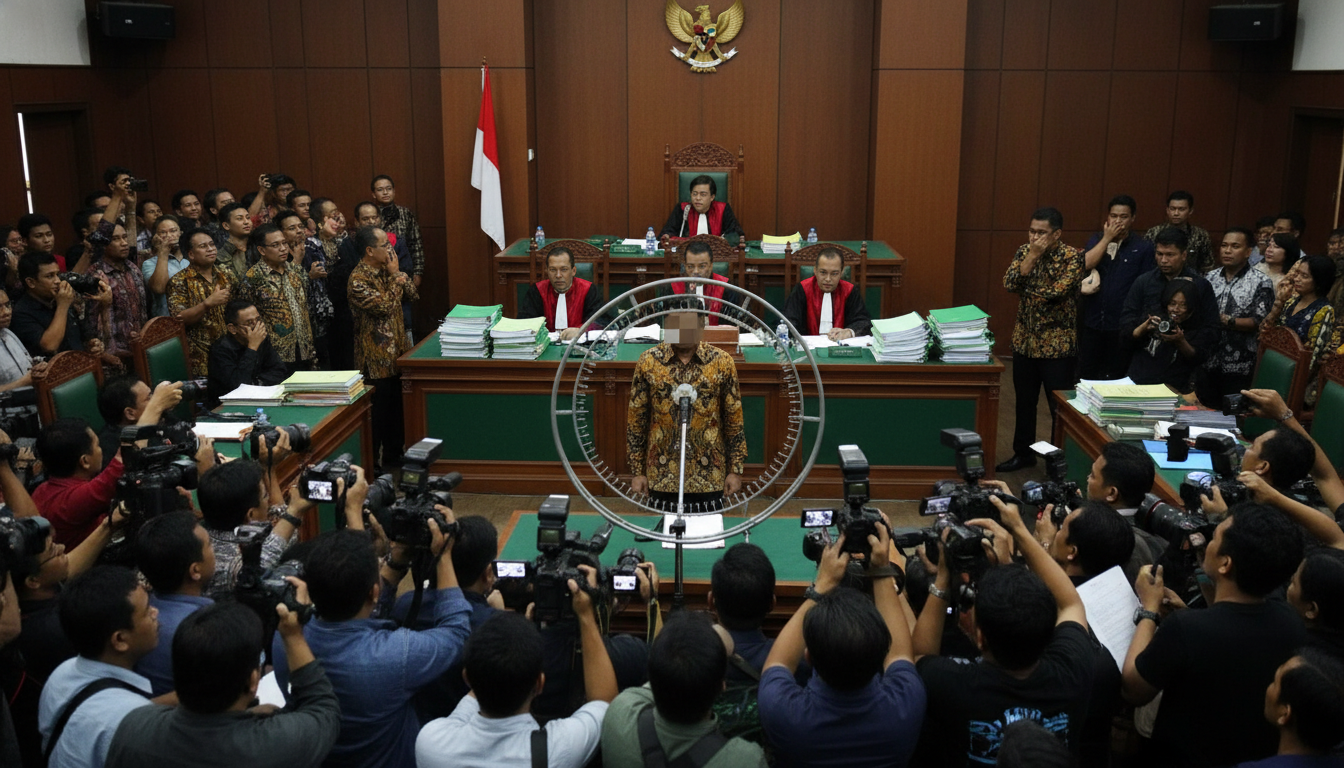
One of the most closely watched cases involves former education minister and Gojek co-founder Nadiem Makarim, whose May 13 hearing concerned procurement of Google Chromebook laptops. Prosecutors allege the procurement process caused significant state losses, while supporters of Makarim characterize the case as part of a broader pattern of treating policy and procurement errors as criminal acts. The profile of the defendant has intensified scrutiny, drawing attention from both domestic and international observers.
Lawyers and analysts note that when prominent figures are tried, the repercussions extend beyond the courtroom. High-visibility trials can influence public opinion, shape corporate risk assessments, and set de facto standards for how future procurement disputes are handled. Observers say the outcome of such cases will be watched closely for legal precedent and for signals about the tolerance of commercial risk-taking in Indonesia.
Legal experts voice concern about standards of intent
Legal scholars have warned that the current approach may lower the threshold for what constitutes criminal intent in financial wrongdoing. Under Indonesia’s legal framework, proving corruption requires more than mere evidence of loss; prosecutors typically must show intent to enrich oneself or act in bad faith. Experts argue that conflating negligence or poor governance with criminal intent risks stretching that standard and undermining judicial fairness.
Several academic and policy commentators have urged clearer prosecutorial guidelines and stronger procedural protections for corporate decision-makers. They argue for more rigorous reliance on forensic evidence of deliberate misconduct and for greater use of administrative sanctions where intent is ambiguous. Without such refinements, critics say, the legal system may inadvertently deter competent managers from making necessary, if imperfect, choices.
Business community and investor concerns
The business sector has expressed unease that executive corruption trials could chill investment and complicate operations for both state-owned enterprises and private firms. Company executives report increased caution in procurement and contracting decisions as a direct response to prosecutorial activity, which can slow project delivery and increase compliance costs. International investors and rating agencies monitor legal predictability closely, and heightened perception of enforcement risk may affect capital flows.
Industry associations and chambers of commerce are calling for clearer rules and transparent enforcement practices that distinguish between criminal acts and commercial errors. They contend that predictable legal processes are essential to maintain confidence in Indonesia’s market economy and to protect long-term growth prospects. Some foreign investors have reportedly raised questions about the balance between anti-corruption enforcement and the protection of legitimate business judgment.
Authorities defend tougher enforcement as public interest
Prosecutors and anti-corruption bodies have defended their actions as necessary to recover state losses and uphold accountability for public funds. Officials argue that when procurement or contract decisions lead to substantial financial damage, criminal investigations are a legitimate tool to identify and punish wrongdoing. They say strong enforcement deters corrupt practices and sends a clear signal that mismanagement with serious fiscal consequences will not be tolerated.
Authorities also emphasize efforts to strengthen investigative capacity and to collaborate with auditors and financial controllers to build robust cases. However, officials face pressure to demonstrate that prosecutions meet high evidentiary standards and that enforcement is applied impartially. The balance between vigorous anti-corruption measures and safeguarding legal certainty remains a central challenge for policymakers.
As Indonesia navigates these legal and political tensions, stakeholders from courts to boardrooms are watching closely to see whether reforms or judicial clarifications will emerge. The coming rulings and potential policy responses will likely shape how procurement, governance and accountability are managed in the years ahead.

