
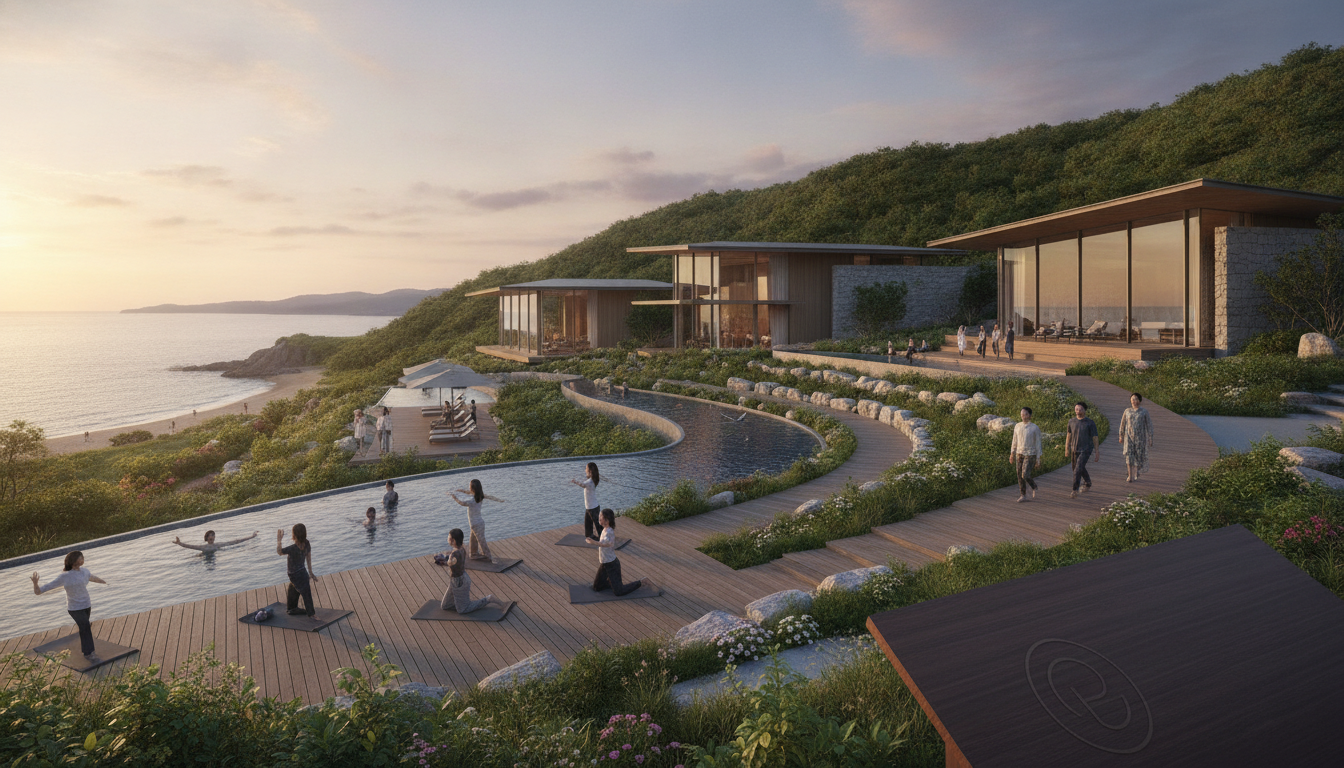
Pasona Expands into Tourism with Luxury Long-Stay Lodging on Awaji Island
Japanese staffing firm Pasona opens a high-end long-stay lodging on Awaji Island, aiming to convert the Seto Inland Sea isle into a premier wellness destination.
Pasona opens wellness retreat on Awaji Island
Pasona, best known as a temporary employment agency, has opened a luxury long-stay lodging on Awaji Island to attract affluent, health-conscious travelers. The move marks a deliberate pivot into tourism as the company seeks to reshape parts of the Seto Inland Sea into a wellness hub.
The new facility offers extended stays and curated programs designed for guests who wish to combine rest with structured health activities. Pasona frames the project as both a hospitality venture and a long-term regional development effort.
Facilities and wellness programming
The retreat features a range of wellness offerings, including daily yoga classes, nutrition-focused dining options, and spaces for meditation and light exercise. Rooms and communal areas are arranged to support longer residencies, with services tailored to guests staying for weeks rather than nights.
Pasona emphasizes experiential programming, presenting packages that blend local culture, outdoor activity, and health-oriented workshops. The company is positioning the lodgings as a destination for travelers seeking sustained wellbeing rather than short-term leisure.
Location rooted in culture and nature
Awaji Island, the largest isle in Japan’s Seto Inland Sea, provides the setting for the new development and is often celebrated in Japanese lore as one of the first islands created by the gods. The island’s landscape—coastal vistas, gentle hills and agricultural tracts—forms a backdrop for outdoor programs and local culinary offerings.
Pasona intends to leverage the island’s natural and cultural assets to create a distinctive wellness narrative that differentiates its long-stay lodging from conventional luxury hotels. That strategy relies on blending contemporary hospitality with regionally specific experiences.
Business strategy: from staffing to tourism
The expansion into long-stay lodging reflects a broader diversification strategy by a company traditionally focused on staffing services. Pasona has gradually extended into property development and regional revitalization projects as part of a bid to diversify revenue streams and capitalize on changing travel demand.
Executives argue that Pasona’s experience managing labor and logistics gives it an operational advantage in running complex hospitality programs. The company can deploy recruitment, training and flexible staffing models to sustain longer-term guest services and seasonal fluctuations.
Local economic impacts and partnerships
Local officials and business leaders say the initiative could boost Awaji’s tourism profile and support job creation in hospitality, food service and wellness sectors. Extended-stay guests tend to spend more on local produce, activities and services, which can translate into steadier income for small businesses around the island.
Pasona’s approach includes collaborating with local suppliers and community groups to source ingredients and cultural programming. The company presents the project as a form of regional investment, though the scale of its economic benefit will depend on occupancy, pricing and how much of the supply chain is localized.
Market context and competitive landscape
Demand for longer, health-oriented trips has grown in recent years as some travelers seek deeper immersion and wellbeing outcomes rather than short getaways. Pasona’s long-stay lodging aims to capture this market by offering tailored programs and extended service periods, positioning the property against domestic resorts and inbound luxury options.
However, success is not guaranteed; the sector is increasingly crowded and consumer expectations for high-end wellness experiences are rising. Pasona will need to demonstrate consistent program quality and maintain occupancy levels beyond the initial launch period to justify its investment.
The company also faces operational challenges common to island developments, including logistics, seasonal demand swings and the need to balance visitor influx with community life. How Pasona manages those issues will shape perceptions of the project in broader tourism and regional development circles.
The opening on Awaji Island marks a notable shift for a staffing company into immersive hospitality, reflecting wider trends of corporate diversification and demand for wellness-oriented travel. Observers will watch whether Pasona can translate its administrative strengths into sustained success in the competitive long-stay lodging market.

