
Japan Moves Closer to Creating CIA Equivalent with Upper House Approval
Upper house approves bill on May 27, 2026, moving Japan closer to a National Intelligence Council — a step toward a CIA-equivalent agency amid security concerns.
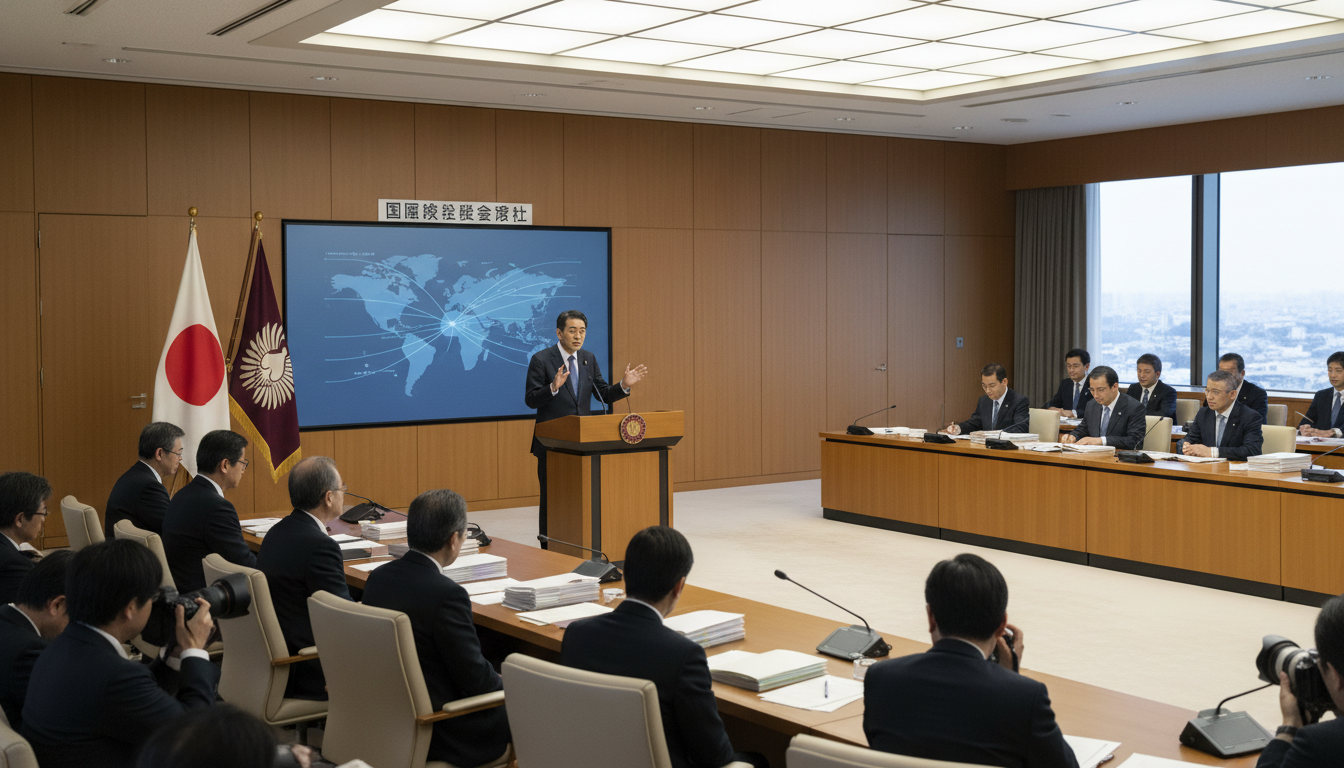
Japan’s upper house approved legislation on May 27, 2026, clearing a major hurdle toward establishing a National Intelligence Council often described as the country’s CIA equivalent. The measure follows passage in the lower house in April 2026 and reflects the government’s push to centralize intelligence functions. Prime Minister Sanae Takaichi has publicly supported the reform, speaking about the bill during a House of Councillors discussion on May 8.
Parliament Clears Way for National Intelligence Council
The upper house vote on May 27 formally advanced a package of laws designed to create a single coordinating body for intelligence gathering and analysis. Lawmakers who backed the bill say the council will improve information-sharing among ministries and strengthen Japan’s ability to respond to fast-moving security threats. Supporters argue centralization is necessary to close gaps exposed by recent regional tensions.
The legislation now moves into implementation planning, where the government must define the council’s structure, authority and staffing. Officials have indicated that the National Intelligence Council will draw personnel from existing agencies while recruiting specialists for new analytic roles. Detailed regulations and budgetary allocations will determine how quickly the council becomes operational.
Government Frames Move as Response to New Security Environment
Tokyo’s leaders have framed the council as a practical response to evolving threats in East Asia and beyond. The government cites advances in cyber operations, increased military activity around the region and the need for timely intelligence to inform policy decisions. Proponents say a centralized body will provide clearer strategic assessments for cabinet ministers and military planners.
Ministers and security advisers have emphasized that the council is intended to enhance coordination with Japan’s allies and partners. They argue that a single national intelligence apparatus will make it easier to exchange sensitive information and to harmonize Japan’s responses to crises. Officials also stress that the council will support better anticipatory analysis rather than expand domestic surveillance.
Opposition Raises Oversight and Privacy Concerns
Despite government assurances, opposition parties and civil liberties groups have voiced concerns about oversight, transparency and the potential for mission creep. Critics warn that a powerful intelligence body, if insufficiently checked, could encroach on privacy rights or be used to suppress political dissent. They have called for strong parliamentary oversight, judicial review mechanisms and public reporting provisions.
Debate in both houses included questions about safeguards, the chain of command and legal limits on data collection. Lawmakers urging caution have sought amendments requiring independent review panels and clearer definitions of the council’s domestic remit. The final text approved on May 27 reflects some concessions but leaves several procedural details to future regulations.
Legislative Timeline and Implementation Steps
The bill passed the lower house in April 2026 and completed upper house approval on May 27, 2026, marking the formal legislative milestone. Next steps will focus on drafting implementing ordinances, appointing leadership for the council and setting its initial budget. Government officials are expected to present a detailed plan to parliament within weeks to outline staffing, information-sharing protocols and internal oversight.
Establishing the council will require coordination across multiple ministries, including defense, foreign affairs and internal affairs. Recruitment of analysts, technical specialists and liaison officers will be phased to minimize disruption to existing agencies. The timeline will also hinge on budget negotiations ahead of the fiscal year and on the ability to finalize legal frameworks that balance operational needs with civil liberties protections.
Regional and Alliance Implications
Observers say Japan’s move to create a National Intelligence Council will have implications beyond domestic policy, affecting intelligence cooperation in the region. Allies including the United States view improved Japanese intelligence coordination as a potential asset for joint operations and information exchange. Tokyo’s partners will likely monitor the council’s development to assess how it fits into existing intelligence-sharing arrangements.
At the same time, neighboring countries will be attentive to changes in Japan’s intelligence posture. Analysts note that a clarified and centralized intelligence architecture could alter regional dynamics by enabling faster, more coordinated responses to incidents or provocations. Diplomats and military planners are expected to weigh these shifts as Tokyo implements the new framework.
The upper house approval on May 27, 2026, represents a pivotal moment in Tokyo’s long-running effort to modernize its intelligence capabilities, but the practical impact will depend on how the National Intelligence Council is structured, overseen and integrated with Japan’s existing institutions.

