
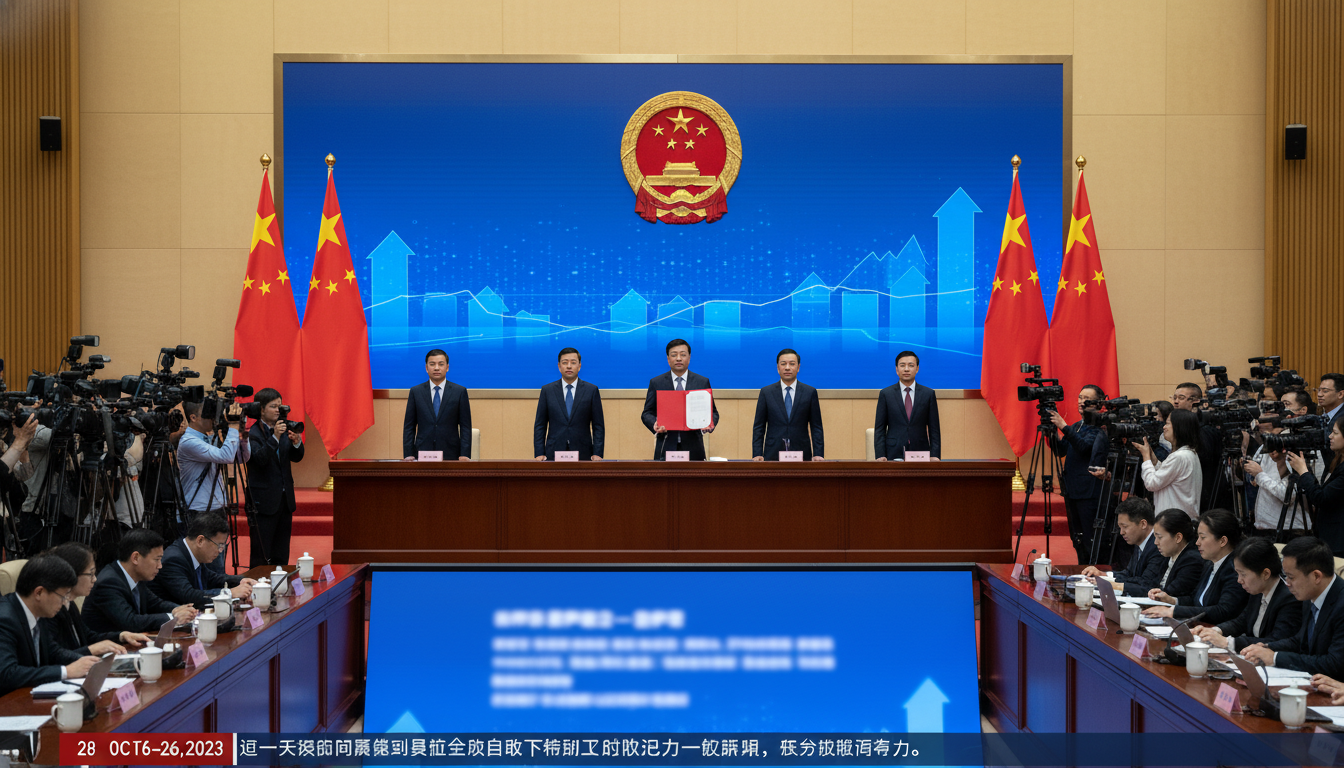
China crackdown on cross-border brokerages aims to eliminate illicit overseas trading within two years
China’s crackdown on cross-border brokerages targets brokers, payment channels and influencers, aiming to eliminate illicit overseas trading within two years.
Beijing sets two-year timeline for enforcement
China’s financial regulators have launched a sweeping campaign to curb unauthorized cross-border brokerage activity, announcing a target to eradicate illicit overseas trading within two years. The China Securities Regulatory Commission and allied agencies intend to tighten controls across the entire ecosystem that enables mainland investors to trade on foreign markets.
Officials described the move as an intensification of existing capital controls rather than an abrupt policy reversal, but the explicit two-year timetable signals a sustained enforcement phase. Regulators have warned firms and intermediaries that tolerance for circumvention will fall sharply and that coordinated action will follow.
Scope of the crackdown across the supply chain
Authorities are not limiting scrutiny to licensed brokerage firms; the crackdown extends to payment providers, introducers, social media promoters and offshore platforms that facilitate access. Regulators say they will pursue both onshore and offshore entities involved in routing funds or offering trading access that bypasses China’s capital controls.
The campaign aims to dismantle networks that combine advertising, informal payment arrangements and foreign execution to allow mainland residents to buy overseas securities. Investigators will reportedly focus on the conduits that make such transactions operational, including alternative remittance channels and third-party agents.
Market reaction and brokerage stock movements
The announcement rattled markets, with several U.S.-listed brokerages and fintech firms that serve Chinese clients posting steep share declines on the news. Investors reassessed the growth prospects of platforms that relied on mainland flows, prompting analyst scrutiny and margin calls at smaller firms.
Market participants said uncertainty over enforcement scope and timing contributed to the sell-off, as firms scrambled to assess client exposure and potential compliance costs. Trading volumes in certain overseas listings popular with mainland users also fell as retail clients paused activity amidst confusion.
Impact on retail investors and influencers
For mainland retail investors who access foreign securities through proxy services and offshore accounts, the crackdown raises immediate compliance questions and potential legal exposure. Many individuals have used informal channels and online influencers to learn how to open overseas accounts and remit funds for trading.
Social media personalities and “financial educators” who promoted foreign-market access may face heightened scrutiny, with regulators signaling penalties for those who market or facilitate circumvention. Observers note this could chill a segment of online financial communities and reduce the flow of user referrals to offshore brokerages.
Enforcement tools and inter-agency coordination
Regulators are expected to deploy a mix of administrative penalties, license revocations and criminal referrals where evidence of deliberate circumvention emerges. The campaign will likely leverage banking regulators to monitor suspicious remittances and payment platforms, alongside securities watchdogs investigating brokerage conduct.
Cross-border cooperation with financial institutions and enhanced monitoring of money flows are anticipated to be central to enforcement. Authorities have signaled that technology firms and social platforms could be required to remove content that facilitates overseas trading or to provide user data to investigators.
Potential international and economic implications
The crackdown could reshape the flows of capital into foreign markets and alter how global brokerages engage with Chinese clients. Firms that previously relied on mainland retail inflows may need to reconfigure distribution strategies and compliance frameworks to avoid exposure.
Analysts warn of knock-on effects for asset managers, payment providers and fintech companies that connect to Chinese demand, with some expecting shifts toward compliant, regulated channels such as qualified institutional investor programmes. The policy may also affect investor sentiment and cross-border capital allocation in the near term.
Final paragraph
As enforcement unfolds, market participants, online communities and international intermediaries will be closely watching Beijing’s next moves to interpret how broadly the China crackdown on cross-border brokerages will be applied and what mechanisms will be used to curb illicit overseas trading.

