
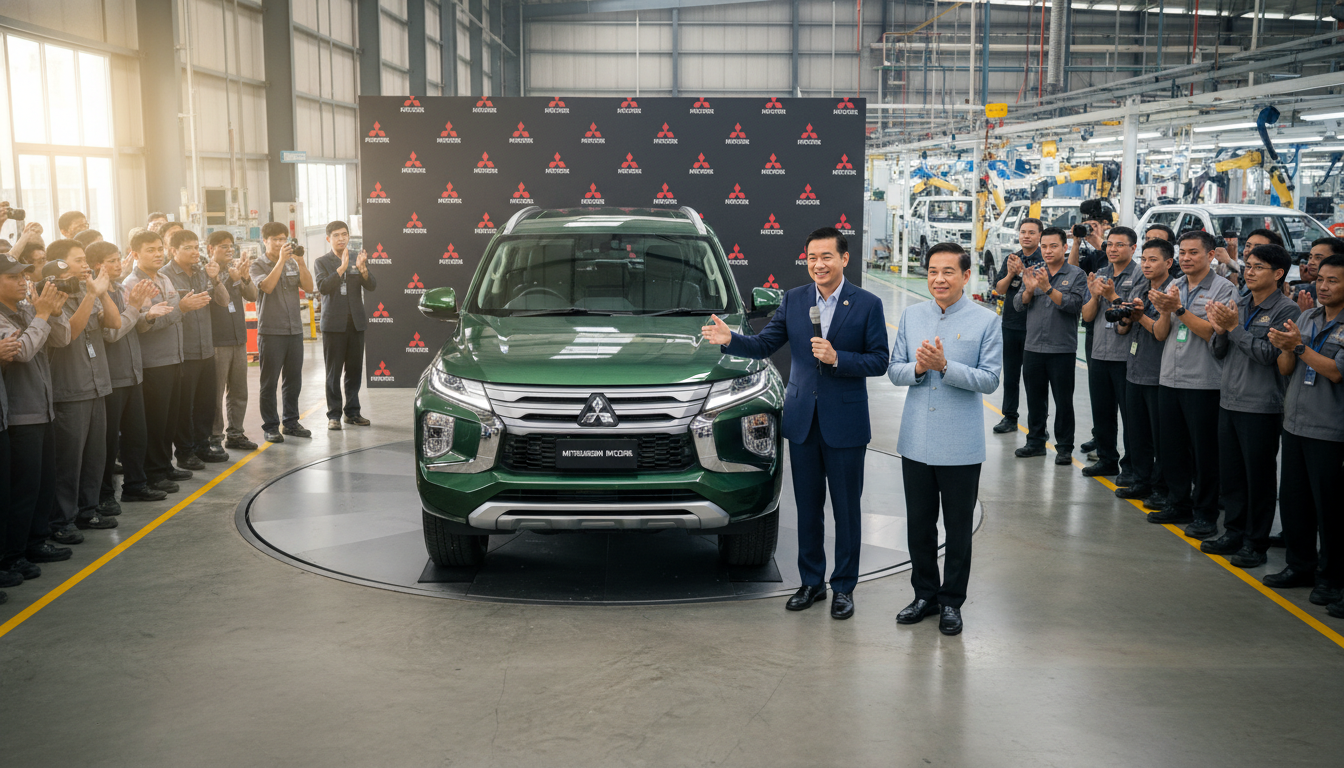
Mitsubishi Pajero Revival: Automaker to Restart Production in Thailand
Mitsubishi revives the Pajero due to strong customer demand, shifting production to Thailand as part of a wider Southeast Asia growth strategy for the region.
Mitsubishi Motors announced on Friday, May 29, 2026, that it will revive production of the Mitsubishi Pajero, citing sustained customer demand and strategic priorities in Southeast Asia. The company said the former flagship SUV will be manufactured in Thailand, marking a return of the Pajero nameplate to active production. Mitsubishi framed the move as part of a broader growth push in the region as it repositions product offerings for changing consumer preferences.
Mitsubishi to restart Pajero production in Thailand
Mitsubishi confirmed the decision in a brief statement from its Tokyo office, saying the revival responds directly to market demand. The automaker identified Thailand as the planned site for assembly and production activities for the revived Pajero model.
The announcement did not include full technical details or a production timetable, leaving questions about model specifications and the scale of manufacturing. Mitsubishi said it would provide further information as plans are finalized and regulatory approvals are secured.
Decision driven by customer demand and strategic priorities
Company officials described the move as prompted by "customer demand," signaling that buyer interest was the key factor behind resurrecting the model name. The revival indicates Mitsubishi sees an opportunity to leverage brand heritage while meeting renewed appetite for rugged SUVs.
Mitsubishi has positioned the decision within a wider strategy to deepen its presence in Southeast Asia, where demand for SUVs and locally manufactured models has remained a critical element of regional growth plans. The automaker expects the Pajero to complement its existing lineup and dealer offerings in targeted markets.
Pajero’s place in Mitsubishi’s lineup and legacy
The Pajero has long been identified with Mitsubishi as a flagship off-road and sport-utility model, carrying a reputation for durability and versatility. Reviving the Pajero name signals a return to a familiar product identity that many customers associate with the brand’s global SUV credentials.
Bringing back a legacy model also reflects industry practice of reintroducing storied nameplates to capture nostalgia-driven sales and to anchor premium or flagship segments. Mitsubishi’s decision suggests the company believes the Pajero can both honor that legacy and be adapted to contemporary market demands.
Thailand selected for manufacturing and regional supply
Thailand has been cited by Mitsubishi as the location for Pajero production, aligning with the country’s established role as a manufacturing hub for Japanese automakers. Producing the Pajero in Thailand can help Mitsubishi streamline regional supply chains and better serve markets across Southeast Asia.
Local production may reduce logistics costs and allow for market-specific configurations, though Mitsubishi has not disclosed whether the vehicle will be destined primarily for domestic Thai buyers, regional export, or both. The choice of Thailand highlights the country’s continued strategic importance to automakers seeking competitive manufacturing bases in the region.
Market implications for dealers and regional customers
Reviving the Pajero is likely to draw attention from dealers and customers who have followed the model’s history, and it may prompt adjustments across Mitsubishi’s regional sales networks. Dealers could see renewed interest in showroom traffic from buyers seeking a larger or more capable SUV within the brand’s range.
Analysts and market participants will be watching how Mitsubishi prices and positions the Pajero relative to rival SUVs in Southeast Asia. The model’s success will depend on how well the automaker balances heritage attributes with modern features and regulatory requirements in its target markets.
Production timetable and remaining questions
Mitsubishi’s release left several operational details unresolved, including specific production start dates, annual output targets, and the exact manufacturing site in Thailand. Observers will look for follow-up announcements that clarify the vehicle’s engineering, supply arrangements, and certification milestones.
Until the company issues a comprehensive schedule, stakeholders will assess the revival as a strategic intent rather than a completed program. Mitsubishi’s next updates will be pivotal for suppliers, dealers, and policymakers monitoring automotive investment and employment in the region.
The reintroduction of the Mitsubishi Pajero underscores the automaker’s effort to combine legacy brand strength with regional manufacturing strategy, and the coming months should reveal how that plan translates into production, sales and market reception.

