
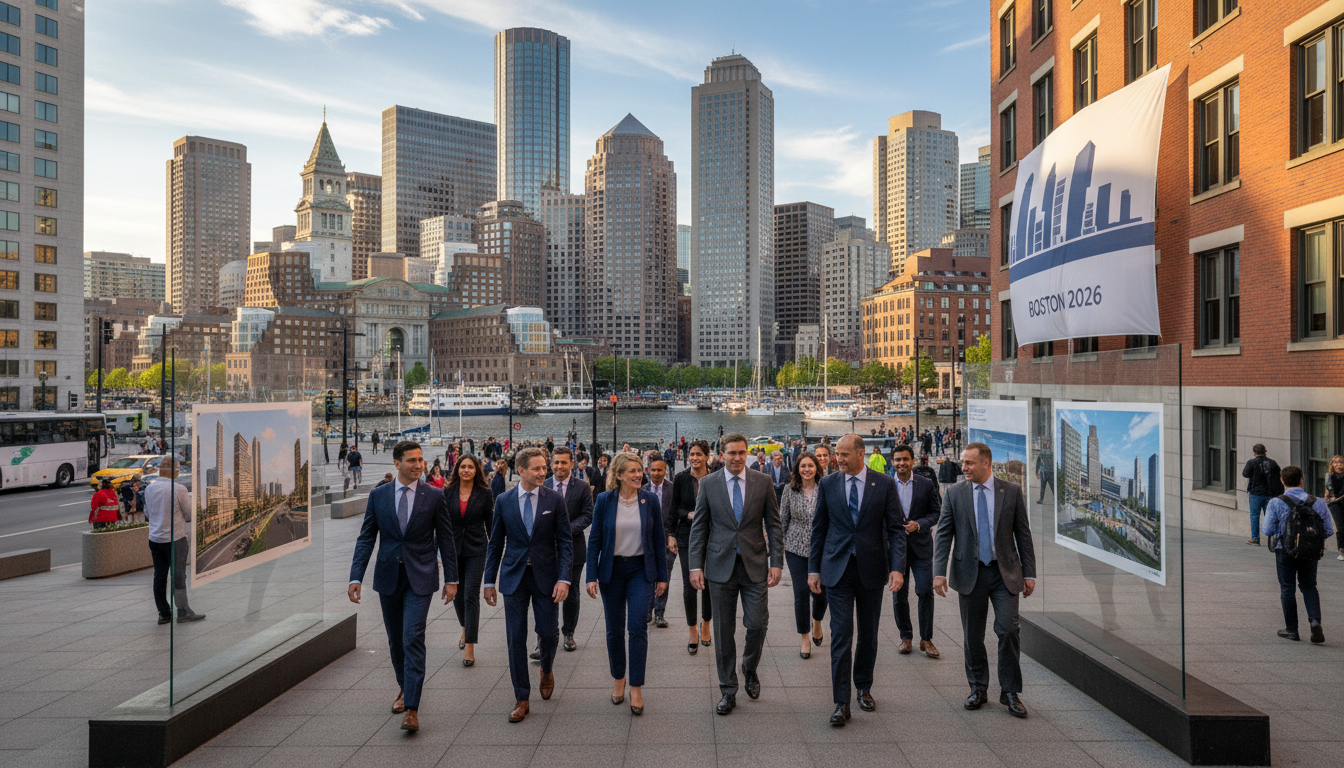
Boston Named Top U.S. City for Foreign Investment in 2026 Survey
Boston tops a 2026 survey of foreign investors, credited for its deep talent pool, vibrant startup ecosystem and Massachusetts’ economic growth to $820 billion.
Boston Leads 2026 Survey on Foreign Investment
Boston has been ranked the most attractive U.S. city for foreign investment in a 2026 survey that evaluated metropolitan areas on their ability to draw multinational capital. The result highlights the city’s appeal as a gateway for overseas firms seeking skilled workers and proximity to leading research institutions. Investors cited the region’s concentration of high-skilled talent and dynamic business environment as decisive factors.
Top Talent and Universities Draw Global Firms
The Boston area benefits from a dense network of universities and research centers that feed the labor market with graduates and researchers. Firms in technology, biotechnology and advanced manufacturing point to the availability of specialized talent as a primary reason for setting up operations in the city. This human capital advantage has proven especially attractive to foreign companies that require immediate access to scientists, engineers and data specialists.
Startup Ecosystem and Venture Funding Fuel Growth
A well-established startup ecosystem has helped Boston convert research and talent into commercial ventures at scale. Local accelerators, incubators and seed investors create pathways for innovation to reach private and public markets, drawing attention from global corporate partners. Venture funding and corporate venture arms have increasingly targeted the region, reinforcing a cycle of entrepreneurship and follow-on investment.
Massachusetts Economic Expansion Supports Investment
Massachusetts’ broader economy has expanded sharply in recent years, increasing roughly 30% over the past five years and reaching an estimated $820 billion in 2025. The state’s population of about 7 million has supported a growing services and knowledge sector, providing demand and stability for new projects. This statewide momentum bolsters Boston’s pitch to overseas investors as a mature market with sustained growth prospects.
Clustered Industries Provide Strategic Advantages
Key industry clusters—particularly life sciences, information technology and financial services—offer strategic advantages for incoming companies. Proximity to suppliers, specialized service providers and collaborative research partners reduces time to market and lowers operational friction. Foreign firms often cite the ability to plug into existing supply chains and talent networks as a major efficiency gain compared with establishing operations elsewhere.
Infrastructure and Housing Present Constraints
While Boston’s strengths are widely acknowledged, the city faces constraints that could temper future inflows of foreign capital. Limited housing supply, rising rents and persistent transportation bottlenecks increase operating costs and complicate employee recruitment. These structural challenges have prompted both private and public actors to consider targeted investments in affordable housing, transit upgrades and workforce training to preserve competitiveness.
Policy Tools and Corporate Strategies Shape Next Steps
State and municipal policy measures, including incentives for research and development and support for startup scaling, are part of a broader effort to sustain Boston’s investment attractiveness. Corporations are also adapting by blending remote work, regional hubs and partnerships with local institutions to manage costs and secure talent. Continued coordination between government, universities and the private sector will be pivotal as competition for foreign capital intensifies among U.S. cities.
Boston’s designation as the top U.S. city for foreign investment in the 2026 survey underscores a combination of talent, innovation and economic momentum that foreign companies find compelling. How local leaders address infrastructure and housing pressures will influence whether the city can convert that appeal into long-term, diversified investment growth.

