
Asian markets tumble as tech sell-off, rate fears and Middle East tensions rattle investors
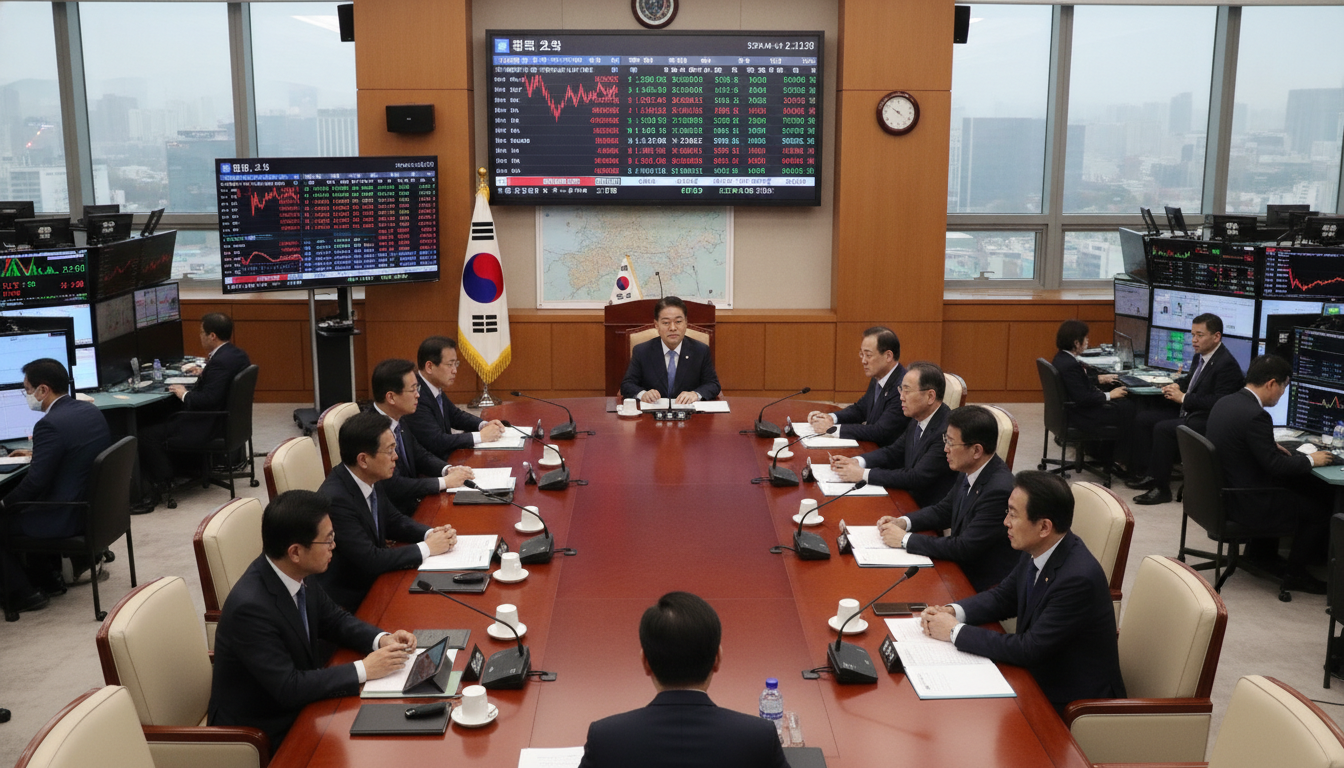
Asian markets saw steep losses on June 8, 2026, as a technology-led sell-off, renewed expectations of U.S. interest-rate increases and rising tensions in the Middle East combined to sap risk appetite across the region. The slide hit South Korean, Japanese and Taiwanese stocks in particular, while the yen and the won came under notable pressure. Seoul held an emergency weekend meeting to assess sudden foreign-exchange movements and market stability, heightening investor concern.
Stocks in Seoul, Tokyo and Taipei Slide
Stocks in Seoul, Tokyo and Taipei opened sharply lower on June 8, 2026, led by declines in semiconductor and other technology names. Market participants said a rotation out of growth-sensitive equities accelerated after fresh signals that U.S. policy could tighten further, reducing the appeal of richly priced tech stocks. Equity markets also reacted to heightened geopolitical risk, with investors shunning riskier assets until clarity returns.
Tech sector spearheads the sell-off
Technology shares bore the brunt of the downturn, reflecting their sensitivity to higher discount rates and to demand concerns for chips and hardware. Major exporters faced dual pressure as weakening regional currencies raised the cost of imported inputs at the same time global demand worries trimmed revenue forecasts. Brokers and fund managers reported stop-loss selling and algorithmic trades amplifying intraday moves in the most liquid tech names.
Currency pressure dents confidence in Asia
The yen and the won weakened markedly as investors sought safe-haven dollars, compounding pain for markets that rely on stable exchange rates for planning and investment. Currency dealers in Seoul and Tokyo reported elevated turnover and wider bid-ask spreads as volatility spiked. The depreciation raised questions about near-term inflationary effects and imported input costs for manufacturers across the region.
Seoul convenes emergency meeting over FX moves
South Korean officials held an emergency meeting over the weekend to examine the sudden depreciation of the won and related market stress. Authorities said they would monitor flows closely and stand ready to act to preserve orderly markets, though no immediate intervention was announced. The convening underscored the degree of concern in Seoul about rapid currency moves and their potential knock-on effects for financial stability.
Investors recalibrate around U.S. rate trajectory
Expectations of further U.S. rate increases remained a central factor driving risk-off sentiment, with market pricing shifting to reflect the possibility of additional tightening by the Federal Reserve. Asian bond and equity markets are particularly sensitive to changes in U.S. real yields, which can alter capital flows and valuations across the region. Analysts said upcoming U.S. economic data and central-bank commentary would be watched closely for signals on the path of policy.
Geopolitical tensions add to market fragility
Renewed tensions in the Middle East contributed to a broader sense of caution among investors and traders, who noted the potential for energy-price disruptions and greater risk premia. Such geopolitical uncertainty often prompts portfolio reallocations toward safe assets and away from vulnerable emerging-market currencies. Market strategists warned that even relatively small escalations overseas can have outsized effects on sentiment in tightly coupled global financial markets.
Asian markets are likely to remain volatile in the near term as traders digest a confluence of monetary-policy expectations, geopolitical developments and corporate earnings updates. Policymakers and market participants will be watching currency flows, U.S. economic releases and developments in the Middle East for signs that the recent turbulence is stabilizing.

