
Hyundai Motor Q2 Operating Profit Falls Over 20% as U.S. Tariffs and Supplier Fire Disrupt Production
Hyundai Motor’s Q2 operating profit dropped more than 20% as U.S. tariffs and a fire at an engine valve supplier reduced premium model output, and the automaker confirmed it is buying out SoftBank’s stake in Boston Dynamics.
Hyundai Motor reported a sharp year-on-year decline in operating profit for the second quarter, attributing the fall to rising costs tied to high U.S. tariffs and a production shortfall caused by a supplier fire. The combined effect hit margins and constrained the company’s ability to deliver higher-margin premium vehicles at the pace it had forecast. At the same time, Hyundai confirmed plans to acquire SoftBank’s stake in robotics firm Boston Dynamics, underscoring a parallel strategic push into automation and robotics.
Q2 results and immediate causes
The company said operating profit declined by more than one-fifth compared with the same quarter last year, reflecting both cost pressures and supply interruptions. Hyundai cited increased tariff burdens in the United States and disrupted parts supply as the primary drivers behind the weaker quarterly outcome. The downturn was concentrated in the premium segment, where delayed assemblies cut into volumes and undercut profitability.
Financial details beyond the percentage decline were not released alongside the initial statement, leaving analysts to weigh the balance between cyclical weakness and structural challenges. Hyundai’s explanation highlighted external factors rather than demand erosion, signaling management believes the issues are transitory if trade and supply conditions stabilize.
Tariffs squeeze margins on U.S. shipments
The company identified high U.S. tariffs as a direct source of margin pressure, increasing the landed cost of vehicles destined for a key export market. Higher import levies compress the gap between factory margins and dealer pricing, especially on models where Hyundai competes on technology and margin rather than just volume. For an automaker with significant exposure to global markets, tariff shifts can quickly translate into profit volatility.
Tariff-related cost increases also limit pricing flexibility, complicating the company’s ability to maintain promotional discipline while preserving sales momentum. Industry observers note that such policy-driven headwinds tend to reallocate profitability across markets, forcing manufacturers to revisit sourcing, product mix and pricing strategies.
Supplier fire disrupts premium model output
A fire at an engine valve supplier during the quarter curtailed deliveries of critical components and disrupted assembly schedules for several higher-margin models. Hyundai said the production hit was particularly acute for premium variants, which rely on specific parts that are not easily sourced at short notice. The knock-on effect reduced finished-vehicle output and delayed shipments to key dealerships.
Automotive supply chains remain sensitive to single-point failures, and the incident underscores the operational risk of concentrated sourcing for specialist components. Restoring full capacity will depend on the supplier’s recovery, alternate sourcing arrangements and Hyundai’s ability to re-sequence production without sacrificing quality or certification requirements.
Boston Dynamics buyout confirmed
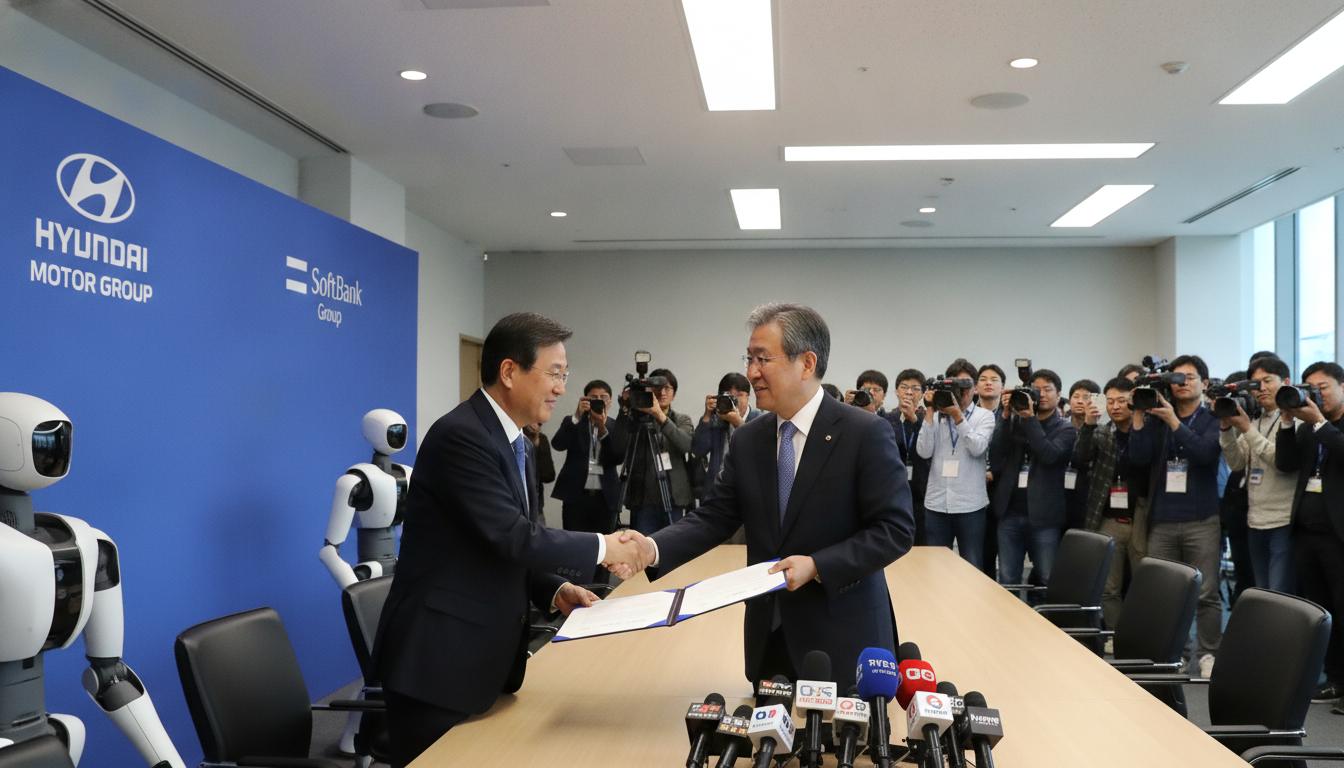
In parallel with its earnings statement, Hyundai confirmed it is buying out SoftBank’s stake in robotics startup Boston Dynamics, a move the company framed as part of a broader effort to expand into robotics and automation. The acquisition, which Hyundai has long explored, is intended to deepen the automaker’s technology portfolio and accelerate applications of robotics across manufacturing and mobility services.
The buyout signals a strategic pivot that could yield operational synergies over time, even as the company contends with near-term profitability pressures. Hyundai’s investment in robotics is consistent with industry trends toward greater automation on production floors and experiments with commercial robotics in logistics and customer-facing services.
Market and dealer implications
The production shortfall is likely to reverberate through dealer inventories and delivery schedules, with customers of premium models potentially facing longer wait times. Dealers may need to prioritize allocations among markets and trim promotional activity to preserve margin on constrained stock. For buyers, the immediate effect could be slower deliveries rather than permanent loss of availability, assuming suppliers restore capacity.
From a market perspective, Hyundai must manage both the messaging and the operational response to reassure stakeholders that the disruption is temporary. Maintaining transparency about timing for production normalization and steps taken to mitigate tariff impact will be important to investor and customer confidence.
Outlook and company response plans
Looking ahead, stabilizing margins will depend on resolving supply issues, navigating tariff conditions in major markets and optimizing product mix to favor more profitable models. Hyundai is likely to accelerate contingency sourcing and increase dialogue with suppliers to reduce vulnerability to single-facility shocks. Meanwhile, the Boston Dynamics transaction points to a longer-term effort to bolster competitiveness through technology and automation investments.
The automaker’s next earnings updates and supply-chain notices will be closely watched for signs of recovery in premium model output and for more detailed guidance on how the robotics acquisition will integrate with manufacturing and mobility ambitions. Until then, Hyundai faces the twin task of managing short-term profitability pressures while positioning the business for future technological shifts.
Hyundai Motor’s Q2 results highlight the fragility of profit margins in the face of policy and operational shocks, even as the company pursues strategic moves in robotics that could reshape its cost base and product capabilities over the longer term.

