
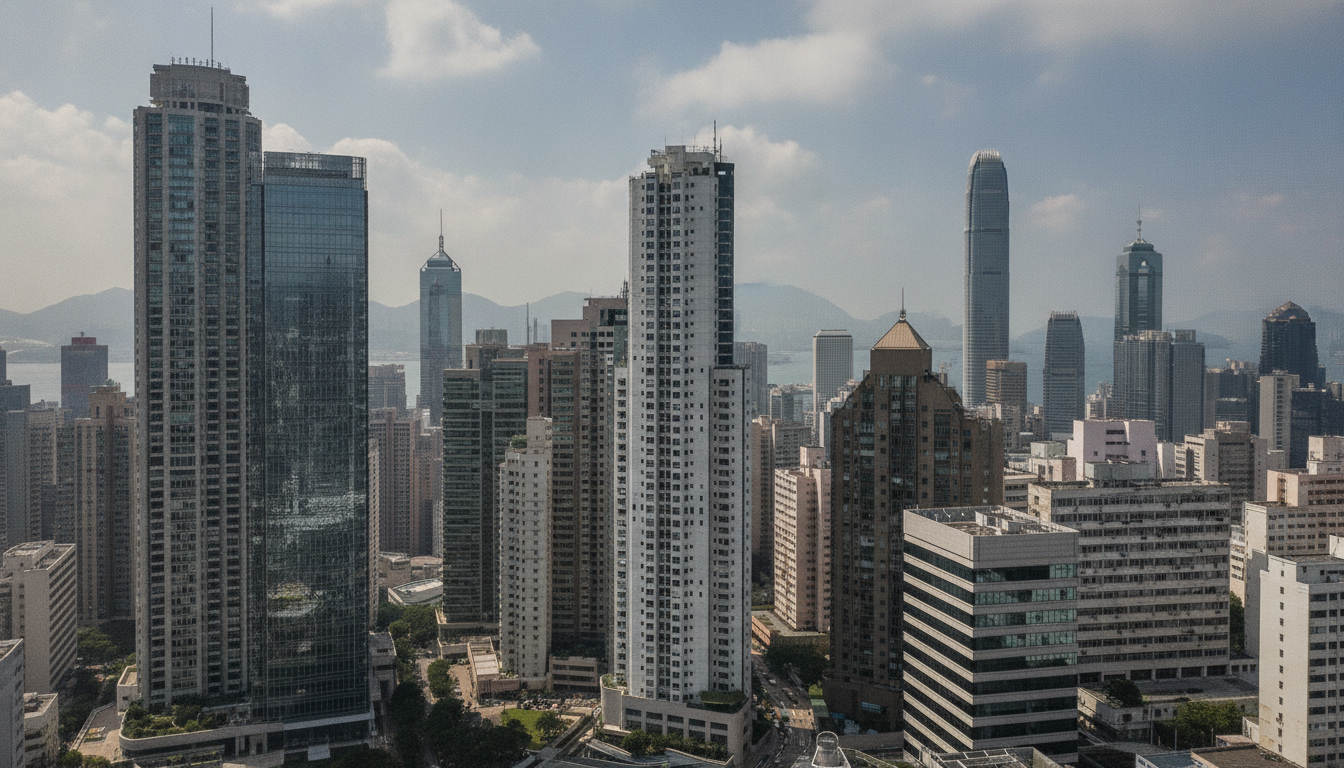
Hong Kong office market shows uneven recovery as Central outpaces secondary districts
Hong Kong office market demand recovered in the first half of 2026, driven by premium Central towers, while secondary and suburban business districts continue to lag behind.
Hong Kong’s office market registered a clear but uneven rebound in the first half of 2026, with large multinational tenants and private equity firms competing for space in prime Central towers. Industry executives report stronger leasing activity for Grade A properties in the business district, a contrast to weaker absorption in older and secondary office locations. The shift reflects tenant preference for high-spec buildings and consolidated footprints as companies recalibrate post-pandemic workplace strategies.
Premium Central Demand Rebounds in H1 2026
Leasing agents and occupiers say demand for premium space in Central rose noticeably in early 2026, reversing parts of the vacancy surge seen during the pandemic. Firms in finance, asset management and professional services showed a willingness to pay higher rents for modern towers with advanced amenities and direct transport links.
Market participants attribute the pick-up to return-to-office policies, increased cross-border deal activity, and a desire among occupiers to locate staff in central hubs that signal client presence. The concentration of high-quality product in Central means available space is rapidly absorbed when leasing momentum builds.
Secondary Districts Struggle to Keep Pace
Outside Central, recovery has been slow and uneven, with secondary business districts and older office stock facing continued weak demand. Tenants are reportedly reluctant to commit to older buildings that lack flexible layouts and up-to-date building services, prolonging vacancy and compressing rental growth in those areas.
Smaller landlords in these districts have leaned on incentives and short-term concessions to attract tenants, but many companies prefer to consolidate into fewer sites or sublet excess space rather than take on new leases in secondary locations. This bifurcation is producing a widening gap in performance across Hong Kong’s office market.
Tenants Consolidate into Quality Towers
Occupiers interviewed by market sources indicate a preference for consolidation within premium towers that offer flexible leasing options and technological readiness. Private equity firms, regional headquarters and financial services groups have prioritized secure, well-served locations where client meetings and recruitment are easier to manage.
The trend has placed upward pressure on availability in top-tier buildings, prompting some occupiers to act quickly to secure contiguous floors. Brokers say that limited supply in the best assets has given landlords greater leverage to negotiate terms closer to pre-pandemic levels.
Landlords Adjust Incentives and Refurbishment Plans
Owners of secondary and ageing office buildings are responding with targeted refurbishment projects and revised leasing strategies intended to modernize their product. Upgrades often focus on improving ventilation, upgrading lobbies and offering more flexible lease lengths to meet tenant demands.
Meanwhile, landlords of prime assets are reducing incentive levels as leasing velocity increases, though some continue to offer concessions tied to fit-out allowances rather than long rent-free periods. The market shift is encouraging a cycle of investment in quality and selective repositioning of underperforming stock.
Impact on Subletting and Flexible Workspace Providers
Subletting activity and flexible workspace operators remain important parts of the market adjustment, absorbing some of the space vacated by downsizing tenants. Flexible providers have reported selective growth, but the sector faces its own economic constraints and must balance occupancy gains with cost pressures.
For corporates, subleases and coworking options provide interim solutions while longer-term property strategies are resolved. The presence of flexible supply has helped prevent sharper declines in occupancy for some landlords, though it is not a full substitute for anchored, long-term tenants.
Market Outlook and Policy Considerations
Analysts expect the bifurcated recovery to persist through the remainder of 2026, with premium Central assets continuing to outperform while secondary districts lag until structural upgrades and repositioning are completed. Broader economic activity, regional capital flows and corporate hiring will remain key determinants of leasing momentum.
Policymakers and industry groups may also play a role by supporting infrastructure and transport links that enhance the attractiveness of decentralised districts. In the near term, landlords, tenants and brokers are likely to focus on pragmatic deals that reflect both evolving workplace preferences and the uneven supply profile across Hong Kong.
Hong Kong’s office market rebound in 2026 highlights a clear preference for top-quality space and confirms that location and building standards now matter more than ever to occupiers shaping their post-pandemic real estate strategies.

