
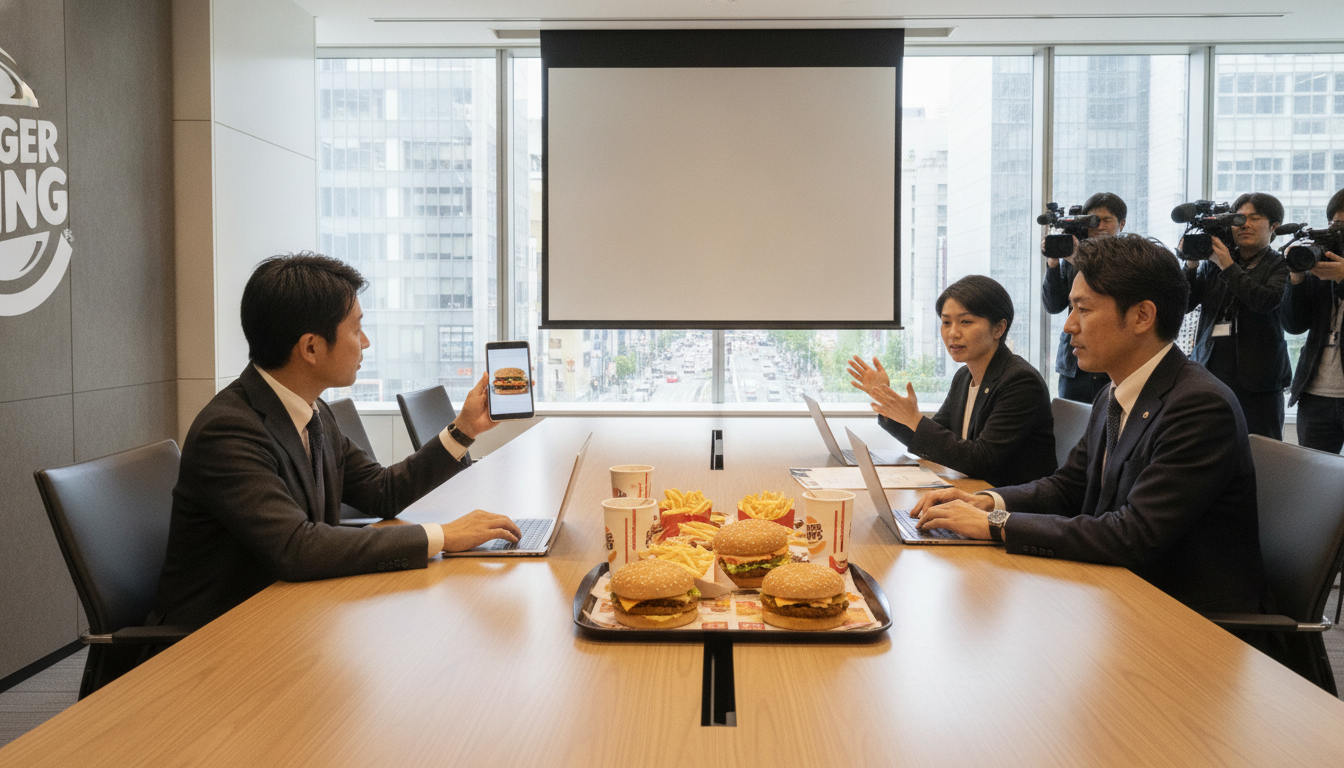
Burger King Japan launches social media campaign to recruit franchisees and boost franchise expansion
Burger King Japan franchise push uses social media incentives to attract new operators and address low franchising rates across the country.
Strong opening: campaign announced
Burger King Japan has launched a social media campaign aimed at increasing the number of Burger King Japan franchise locations by offering incentives to prospective franchisees. The campaign, rolled out this month, promises a reward for individuals or groups who help bring new franchise operators into the chain. Company materials and promotional posts emphasize speed and simplicity, positioning franchising as a route for entrepreneurs to enter the fast-food market.
The campaign explicitly targets multiple audiences, including current employees, independent restaurateurs and online followers, using short video content and targeted ads. Promotions are framed around a limited-time incentive that the company says is intended to accelerate discussions with interested parties.
Campaign details and incentive structure
Burger King Japan’s social media effort centers on bite-sized posts and calls to action, encouraging users to nominate potential franchisees or inquire about franchise information. The reward structure, as described in promotional copy, offers a financial or operational incentive tied to successful introductions that result in signed franchise agreements. The company is also highlighting support services for new franchisees, such as site selection and initial training.
Promotional messaging uses Instagram, Twitter and video platforms to reach younger entrepreneurs and existing small-business owners. While Burger King Japan has not publicly disclosed the full financial terms of the incentive package, the campaign emphasizes speed of response and a streamlined onboarding process for qualified applicants.
Franchise share in Japan and industry comparison
In Japan, roughly one in five Burger King locations are franchises, a share that the company acknowledges is lower than most major fast-food rivals. That limited franchising footprint means Burger King Japan operates a higher proportion of company-owned stores than competitors, which can affect capital allocation and local market agility. The company’s campaign is therefore not only a recruitment effort but a strategic move to rebalance its store ownership model.
Industry observers note that expanding the franchise base can help brands scale more quickly and spread operational risk, but it also requires robust franchisee support and consistent quality control. For Burger King Japan, increasing franchise penetration could free resources for brand marketing and new-format store experiments.
Reasons behind the low franchising rate
Several structural factors help explain why Burger King Japan has fewer franchise locations than rivals. The chain’s relatively recent and intermittent expansion phases in Japan left a larger share of outlets under corporate control, as the company focused on re-establishing brand presence in key urban markets. High urban rents, variable footfall patterns and stringent site approval requirements can also deter prospective franchisees.
Labor and supply-chain considerations add complexity to franchising decisions in Japan. Prospective operators weigh menu localization, staffing models and delivery partnerships when deciding whether to take on a new quick-service restaurant brand. Burger King Japan’s new campaign appears designed to address those concerns by foregrounding operational support and clearer financial guidance for candidates.
Potential benefits and business risks
A successful franchising drive could accelerate Burger King Japan’s store growth and increase local investment in marketing and community engagement. Franchisees often bring local market knowledge and incentive to optimize operations, which can translate into stronger store-level performance and higher customer retention. The move could also allow Burger King Japan to test new formats and regional menus more rapidly through partner-led initiatives.
However, an aggressive recruitment push carries risks. Rapid franchise expansion requires scalable training, consistent supply chains and active quality assurance to protect brand standards. If intake outpaces support capabilities, customer experience and operational consistency could suffer, undermining the long-term value of additional locations.
Market response and next steps
Industry trade groups and franchise consultants say they will be watching Burger King Japan’s onboarding process and candidate screening criteria. Effective vetting and transparent disclosure of expected returns will be central to attracting experienced restaurant operators. Observers expect Burger King Japan to publish more detailed franchising guidelines and to pilot new franchise agreements in selected regions before a nationwide rollout.
For prospective franchisees, the campaign is an invitation to engage directly with the company’s development team and to review initial site and financial information made available through the promotional channels. Burger King Japan has indicated that follow-up seminars and information sessions will be scheduled for interested parties.
Burger King Japan’s social media recruitment drive is a strategic attempt to accelerate franchise expansion in a market where company-owned stores have historically dominated. The campaign’s balance of incentives, training promises and public outreach will determine whether the chain can convert online interest into a meaningful increase in franchise locations across Japan.

