
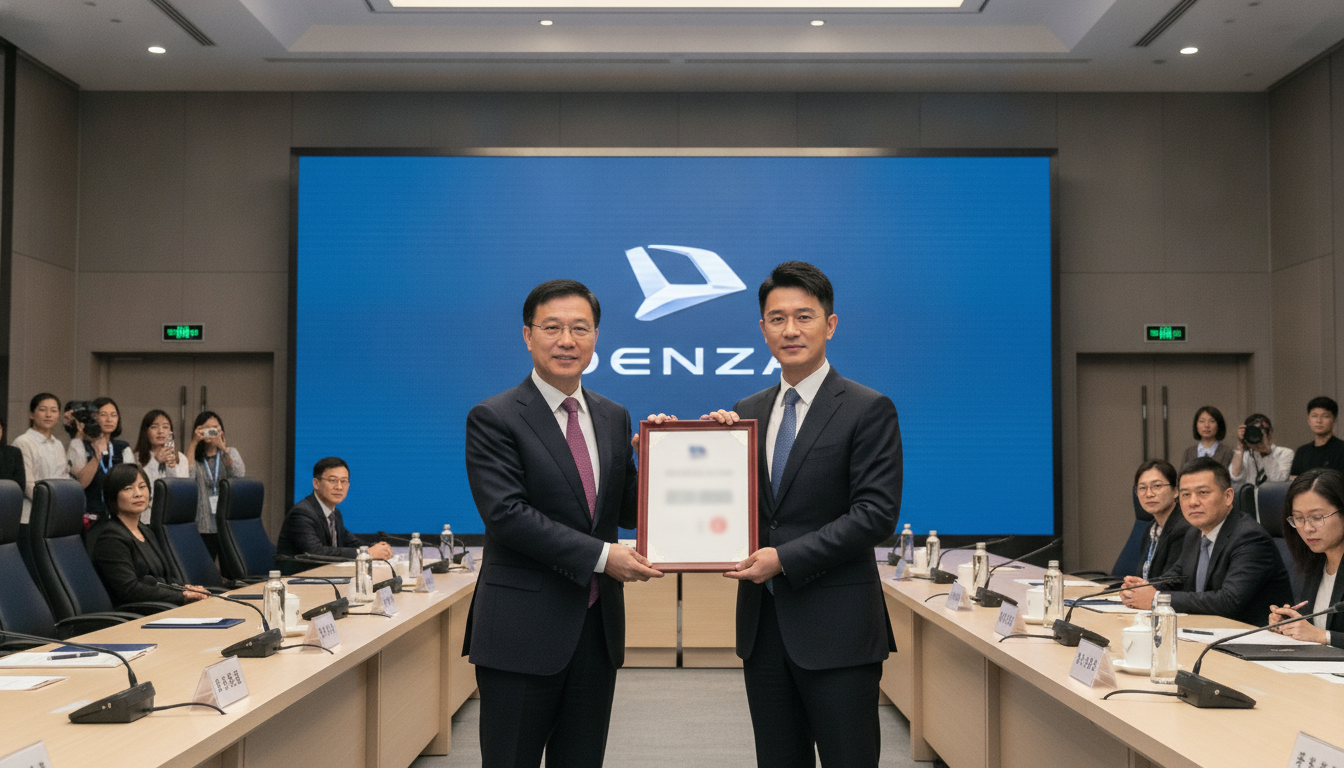
Wang Leehom Becomes BYD Shareholder in Novel Celebrity-Brand Deal
Wang Leehom becomes a BYD shareholder after serving as the face of Denza, spotlighting equity-based celebrity endorsements in China’s competitive auto market.
Wang Leehom, the Taiwanese-American pop star, has taken a shareholding position in BYD, the Chinese electric vehicle maker, after being hired as the public face of its Denza luxury marque. The arrangement, revealed at a Denza model unveiling in Guangzhou, marks a notable example of celebrity equity participation in China’s increasingly competitive auto industry.
The move was announced as Denza introduced new models, with Wang appearing on stage at the launch event and participating in promotional activities. BYD positioned the collaboration as part of a broader marketing push for Denza, its higher-end sub-brand aimed at premium buyers within the electric-vehicle segment.
Stake Revealed During Denza Launch in Guangzhou
The shareholding was disclosed amid the fanfare of Denza’s product debut in Guangzhou, where Wang Leehom joined company representatives onstage. Photographs from the unveiling show the star performing and speaking alongside BYD executives as the new models were presented to media and guests.
BYD described the collaboration as a long-term brand partnership intended to raise Denza’s profile among younger and more lifestyle-focused consumers. Company statements at the event emphasized the pairing of a cultural figure with a premium product line to strengthen emotional connections with prospective buyers.
Celebrity Equity as a Strategic Marketing Tool
Industry observers say offering equity to well-known cultural figures is an increasingly visible tactic to align a celebrity’s financial incentives with brand performance. By making a public-facing ambassador also a shareholder, automakers can link the star’s reputation to product success and extend the perceived commitment beyond a typical endorsement contract.
Proponents argue the approach can help brands stand out in a crowded marketplace, particularly when product differentiation is narrowing and marketing narratives become decisive. For Denza, the combination of design-focused models and a lifestyle-oriented ambassador aims to cultivate an aspirational image in a segment where brand prestige matters.
Market Context: China’s Competitive Auto Landscape
The Chinese auto market has become intensely competitive, with domestic and international players expanding electric-vehicle offerings across price points. Within that environment, premium sub-brands such as Denza face pressure to build distinct identities and justify higher price tags to discerning consumers.
Marketing strategies that incorporate popular culture and celebrity influence are part of a broader effort by automakers to capture attention and accelerate brand recognition. Observers note that emotional appeal and cultural resonance can be as important as technical specifications when prospective buyers evaluate premium EV options.
Commercial Intentions and Audience Targeting
BYD’s decision to attach a high-profile entertainer to Denza reflects a clear commercial aim: to broaden the brand’s appeal beyond traditional car buyers and tap into the fanbases of mainstream entertainers. By pairing models with a recognizable cultural figure, Denza is likely targeting urban consumers who value image, lifestyle fit, and social media visibility.
The partnership is also structured to generate sustained publicity through events, performances, and cross-promotional content rather than a single campaign burst. For automakers, this can translate into longer-term engagement with customers and repeated visibility across platforms where younger buyers spend time.
Reputational and Regulatory Considerations
While equity-based endorsements create powerful commercial incentives, they also raise reputational risks if a celebrity’s image shifts or becomes embroiled in controversy. Companies must weigh those risks against potential gains, particularly when a star’s persona becomes closely associated with product identity.
Additionally, observers say that celebrity partnerships operating in China must navigate an evolving regulatory landscape that has placed greater emphasis on advertising transparency and the conduct of public figures. Firms engaging in unconventional sponsorship structures are likely to be attentive to compliance and disclosure expectations.
Wang Leehom’s new role as a BYD shareholder at the Denza launch in Guangzhou illustrates a wider trend of blending celebrity culture with corporate strategy in China’s automotive sector. As Denza moves to cement itself in the premium EV space, the effectiveness of this equity-linked approach will be measured by sales traction and sustained brand resonance among target consumers.

