
Muslim group prayer at Ichikawa park prompts city review and threatens long-running multicultural exchange event
Ichikawa reviews park-use rules after Muslim group prayer during Eid at Gyotoku Mosque sparks social media backlash and threatens a long-running exchange event. (160 characters)
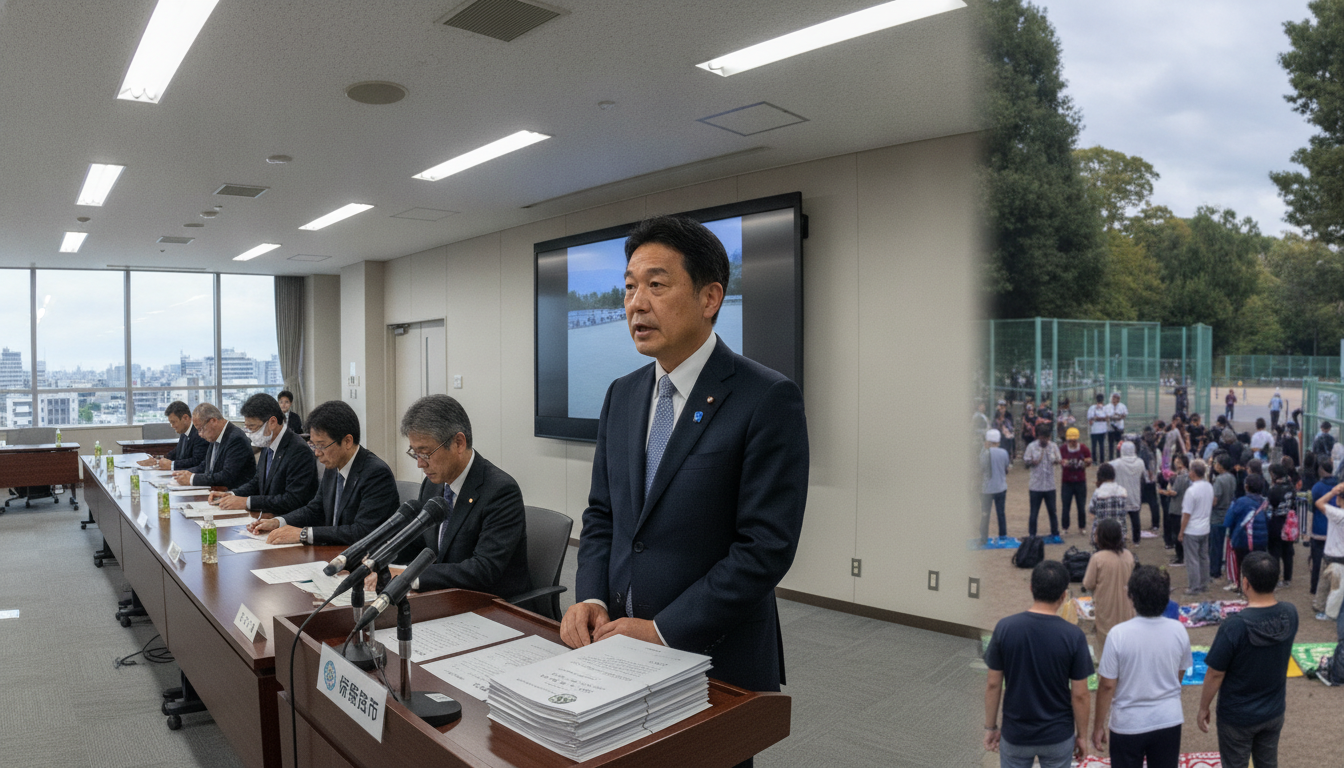
A long-running community festival held alongside Eid al-Adha in Ichikawa, Chiba, has come under scrutiny after a Muslim group prayer at a park adjacent to Gyotoku Mosque drew critical attention on social media. City officials told event organizers not to hold collective prayers in the park when they applied for use earlier this year, and the restriction has led to a review of how the annual exchange event is run. The dispute has raised broader questions about public-space rules, freedom of worship and the future of a festival that has for years brought residents and foreign nationals together.
City instructs organizers to avoid collective prayer
Ichikawa city officials said the instruction was issued as part of the park-use approval process, telling applicants that group worship should not be held during the event. The warning was reportedly given in March when mosque-affiliated organizers submitted their permit application for the May 27 Eid celebration. City sources described the measure as an administrative clarification of park rules rather than a ban on religious practice in private spaces.
Eid event held near Gyotoku Station despite restrictions
On May 27, a day that coincided with Eid al-Adha, many worshippers attended services at Gyotoku Mosque near Gyotoku Station on the Tokyo Metro Tozai Line. The adjacent park hosted an annual exchange event featuring ethnic food stalls and informal conversations among attendees, followed by a volunteer cleanup that left the grounds tidy. This year the customary roughly ten-minute group prayer that normally opened the event did not take place after the city’s guidance, according to participants.
Social media criticism amplifies the issue
The presence of mosque-affiliated personnel in the event’s organization and the images of communal prayer circulated on social platforms triggered a wave of critical posts, which in turn generated wider public attention. Local residents and users online debated whether the collective prayer was appropriate in a public park setting, with some expressing concern about public order and others warning of religious discrimination. The online reaction prompted municipal officials to reconsider park-use procedures and communications with community groups.
Voices from the mosque and community
Representatives linked to the mosque emphasized that the event has historically been a community-focused exchange tied to a religious festival and that participants included families and long-term local residents. Organizers pointed out that the event showcased cultural foods and community service such as park cleanup, underscoring its role in neighborhood engagement. At the same time, some neighbors said they had not been fully informed about the planned religious aspects and want clearer notice to avoid misunderstandings in future.
Implications for multicultural coexistence in Ichikawa
Ichikawa is home to an estimated 25,000 foreign residents from roughly 110 countries, making multicultural exchange events a visible part of local life. Community leaders and civic groups warn that restricting customary practices at such gatherings could chill intercultural interaction and erode trust between minority religious communities and municipal authorities. At the same time, officials must balance varied expectations about the use of public parks and the need to maintain neutral public spaces accessible to all.
Legal and administrative considerations under review
Legal experts note that municipalities can set reasonable conditions for the use of public parks, but such rules must be applied consistently and with sensitivity to freedom of religion and assembly. Ichikawa’s review will likely consider whether park rules were clearly communicated, whether alternatives were offered, and how to prevent escalation when events intersect with religious observance. Civil society groups have urged the city to develop transparent guidelines and outreach measures that help organizers comply without excluding religious communities.
Possible next steps from city and organizers
Officials have signaled they will re-examine the wording of park-use permissions and increase dialogue with event organizers to avoid future disputes. Mosque and community representatives said they are open to discussing practical solutions, such as designated spaces, scheduled times, or indoor alternatives for collective worship during public events. Local nonprofits and neighborhood associations have offered to mediate conversations to preserve the exchange event while respecting municipal regulations.
The incident in Ichikawa highlights the practical tensions that can arise when religious observance intersects with public-space management in diverse communities. How city officials, organizers and residents handle the review and subsequent outreach will shape whether the annual Eid-linked exchange can continue as an inclusive opportunity for multicultural engagement.

