
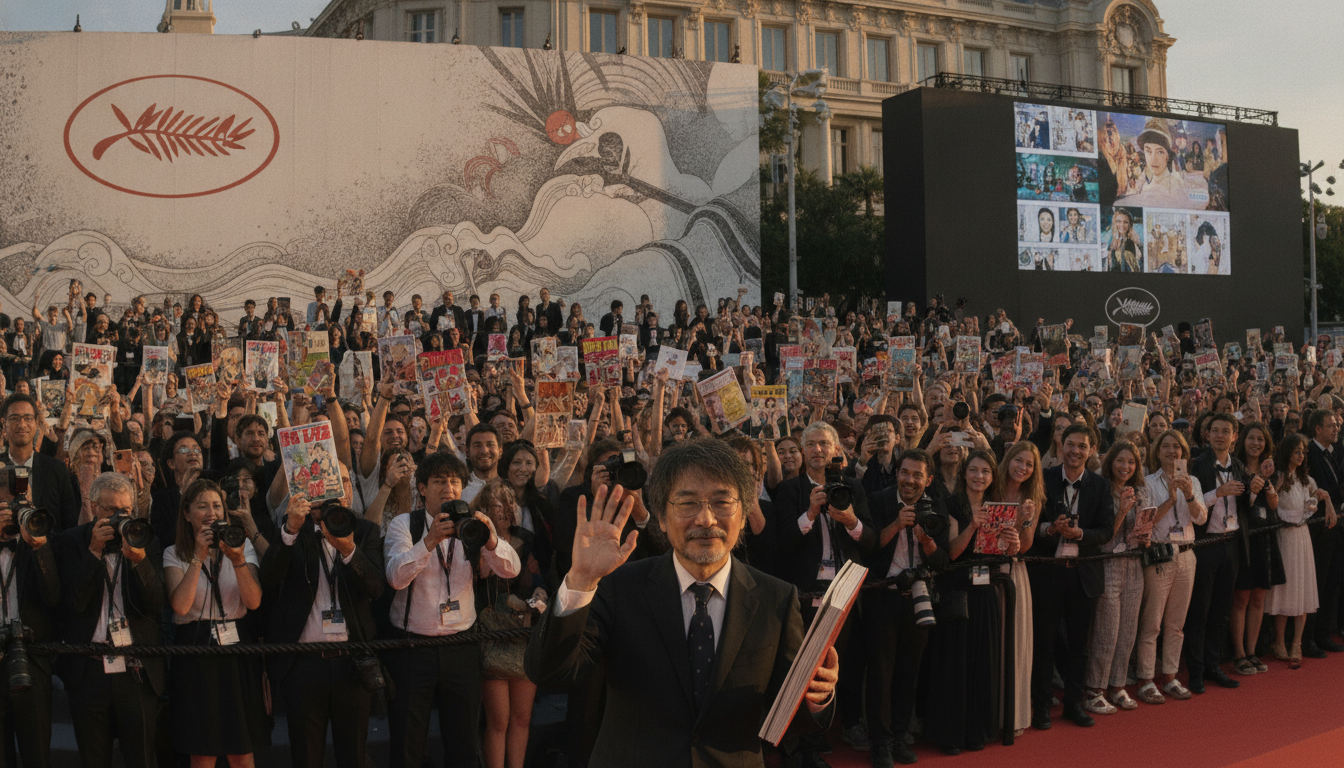
Japanese intellectual property draws global film industry focus at Cannes
Japanese intellectual property, led by manga content rights, took center stage at the Cannes Film Market in May 2026, sparking renewed interest from filmmakers.
Japan entered this year’s Cannes Film Festival spotlight not only through entries on screen but also through a concerted push to export creative rights overseas. Japanese intellectual property was named a focal point at the Film Market, where the country served as Country of Honour and hosted a series of events that highlighted the commercial potential of manga and other domestic content. The convergence of festival prestige and a proactive rights market has intensified conversations among producers, distributors and streamers worldwide.
Japan named Country of Honour at the Cannes Film Market
In May 2026 the Cannes Film Market selected Japan as its Country of Honour, elevating industry attention to the nation’s creative exports. Organizers curated panels and showcases aimed at mapping pathways for Japanese works to reach international screens and platforms.
Officials and industry representatives described the designation as recognition of a maturing intellectual property ecosystem in Japan. That ecosystem increasingly packages manga, novels and animation as globally transferable assets rather than solely domestic cultural products.
Japanese films kept a competitive presence in Cannes competition
Alongside the market activity, Japanese filmmakers maintained a strong creative showing on the festival circuit. Three Japanese-directed films were among the 22 entries competing for the Palme d’Or, signaling continued artistic visibility on the world stage.
Festival delegates said the dual presence — competitive cinema and market-focused IP promotion — reinforced Japan’s appeal to buyers who now evaluate both a film’s artistry and its potential for ancillary adaptation. The pairing of prestige and commercial strategy elevated conversations about rights and remakes.
Manga content rights emerged as a primary draw for producers
Manga content rights were repeatedly singled out in market sessions as a major growth area for adaptation and cross-border collaboration. Delegates highlighted the narrative depth and serialized structures of manga as attractive building blocks for long-form streaming series and cinematic adaptations.
International producers noted that established manga franchises offer pre-built audiences and merchandising opportunities that can reduce market risk. Rights holders and agents said they are responding by professionalizing licensing deals, clarifying rights territories and packaging adaptation-ready materials for foreign partners.
Streaming platforms and distributors increased bid activity
Representatives from major streaming services and international distributors were visible throughout the market, pursuing acquisition opportunities and first-look arrangements. Market delegates reported a rise in competitive interest for IP that could be developed into multi-episode series or franchise films.
Industry veterans at Cannes described a shift in negotiating dynamics: buyers seek not only finished films but also upstream access to source material, sequel rights and global merchandising terms. That shift has prompted rights holders in Japan to engage more aggressively with legal counsel and international agents.
Creators and agencies adapt to a changing rights landscape
Japanese creators, agencies and publishing houses told market audiences they are investing in rights management infrastructure and international business development. Workshops in Cannes emphasized contract standardization, translation of metadata and the need for clear chains of title to facilitate cross-border deals.
The move toward formalized rights handling aims to shorten deal timelines and make Japanese IP more attractive to time-sensitive global partners. Several exhibitors underscored training programs for creators so they can better negotiate adaptations without sacrificing artistic control.
Cultural diplomacy and economic opportunity converge in Cannes showcase
Market organizers framed Japan’s presence as both cultural diplomacy and an economic opening for domestic industries. By spotlighting intellectual property, the Film Market created a platform where creative soft power and commercial strategy intersected, according to participants.
Cultural attachés and trade officials attending the market emphasized the long-term gains from exporting stories and formats, citing potential job creation, tourism interest and an enhanced international profile for Japanese creative sectors.
Japan’s Cannes showcase made clear that the nation’s value proposition to the global film business extends beyond finished features to the rights that underpin franchises, series and merchandise. Industry observers expect that the momentum generated at the market will accelerate deals and co-productions over the coming 12 months.
Looking ahead, Japanese rights holders face the task of balancing broader market access with protections for creators’ integrity and revenue streams. Continued engagement at global markets and targeted support for rights management will determine whether the wave of interest in manga content rights translates into sustained international partnerships and growth.

