
Toto to Invest ¥80 Billion in Semiconductor Materials to Support 1‑Nanometer Chips
Toto to invest ¥80 billion over five years to expand its semiconductor materials business, backing 1‑nanometer chipmaking amid rising AI-driven demand.
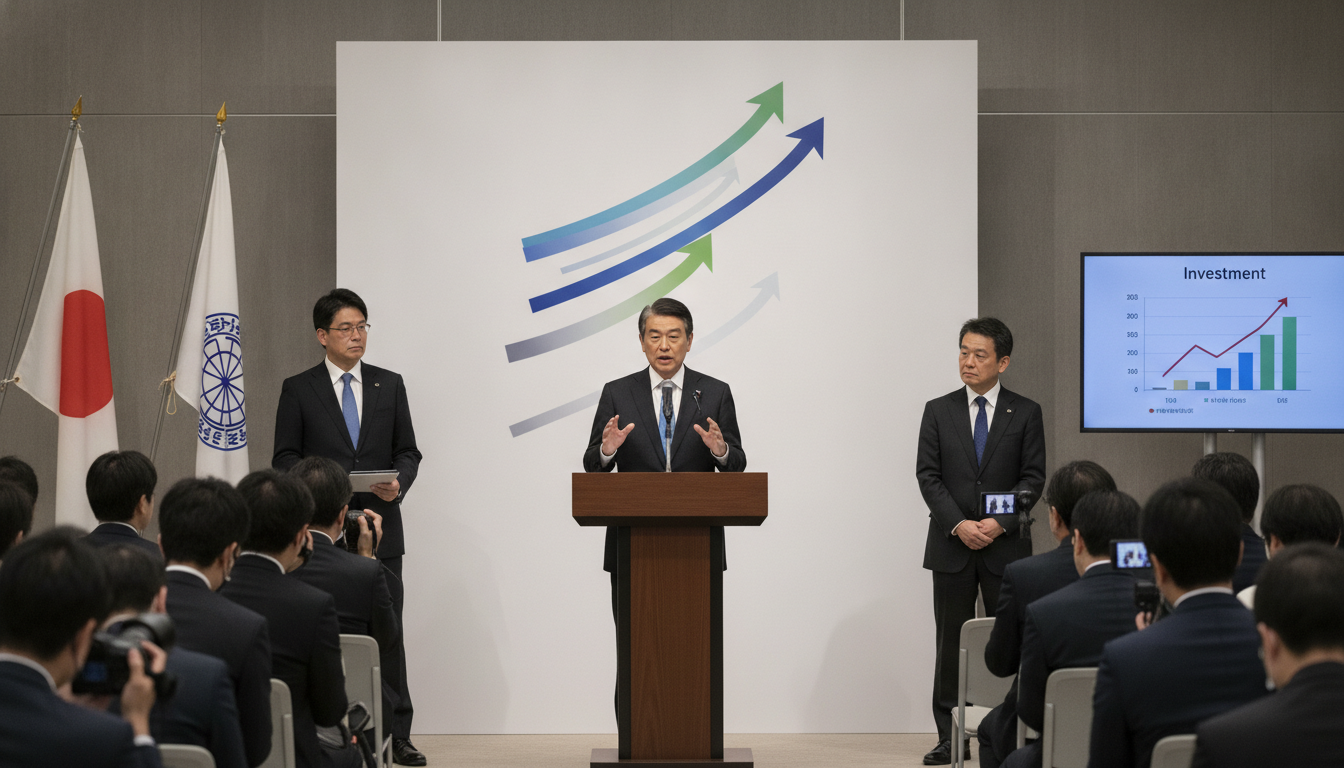
Toto announced plans to invest 80 billion yen over the next five years to grow its semiconductor materials business and help supply technologies aimed at 1‑nanometer chip production. The move, the company said, is a direct response to surging demand for advanced semiconductors driven by artificial intelligence applications. The expansion marks a significant strategic shift for the bathroom fixtures maker as it pivots parts of its operations toward high-end materials for chipmaking.
Toto Unveils ¥80 Billion Investment Plan
Toto framed the new allocation as targeted capital spending to accelerate development and production of materials used in next‑generation semiconductors. The company did not disclose detailed project-level budgets but said the investment will be deployed over a five‑year period. Executives described the funding as necessary to position Toto within a highly competitive and capital‑intensive segment of the chip supply chain.
The announcement signals a wider trend of manufacturers outside the traditional semiconductor sector moving into materials and components as chipmakers push to the 1‑nanometer node. Toto’s investment is notable both for its size and for the company’s established footprint in precision manufacturing, which it intends to leverage for the new business line.
AI Demand Drives Materials Push
Toto explicitly linked the expansion to rising demand from artificial intelligence workloads, which require increasingly powerful and energy‑efficient chips. As AI models grow in scale and complexity, chip designers are seeking new materials and production techniques to sustain performance gains. Toto’s move aims to capture part of the upstream demand for specialty materials that enable smaller process geometries and higher yields.
Industry observers say that demand from AI and high‑performance computing has intensified investment across the semiconductor ecosystem, from equipment makers to chemical and materials suppliers. For companies like Toto, the shift presents an opportunity to apply existing precision engineering capabilities to a sector with robust long‑term demand drivers.
Focus on 1‑Nanometer Production Support
Toto indicated the investment will support technologies compatible with the 1‑nanometer range, a development milestone for foundries and chip designers. Achieving reliable manufacturing at such scales requires new material properties, tighter process control and collaboration across multiple tiers of suppliers. Toto plans to direct resources toward research, quality control and process development to meet these technical requirements.
The company emphasized that its materials business will be designed to meet stringent industry standards for purity, consistency and traceability. That focus reflects the demanding specifications of advanced nodes, where even minor impurities or variations can materially affect chip yields and performance.
Positioning in the Semiconductor Supply Chain
Toto’s expansion positions it as a materials-tier supplier rather than an integrated device manufacturer, with products likely aimed at foundries and equipment firms. The company will need to develop technical partnerships and secure long‑term customer validation to establish credibility in a market dominated by specialized suppliers. Toto’s existing manufacturing expertise and global sales channels could ease market entry, but building trust with chipmakers typically requires multi‑stage qualification processes.
If successful, the move could diversify Toto’s revenue base and reduce dependence on its traditional home‑goods markets. However, the firm will face competition from established chemical and materials companies that have long supplied the semiconductor industry.
Financial Scope and Five‑Year Timeline
The 80 billion yen commitment is set across a five‑year horizon, reflecting both development costs and phased capacity expansion. Toto indicated the timing will allow for incremental investments tied to milestones in research and customer qualification. The company framed the plan as prudent and scalable, allowing management to adjust spending according to technical progress and market demand.
Analysts will watch how Toto allocates capital between R&D, manufacturing upgrades and supply‑chain partnerships, since each area carries different payoff horizons and risks. The five‑year window also aligns with industry cycles and the multi‑year qualification processes typical in semiconductor procurement.
Kitakyushu Mention and Regional Impact
Toto’s announcement referenced Tokyo and Kitakyushu as points of communication, underscoring the company’s Japanese manufacturing roots. Kitakyushu, with its history of industrial activity, could see indirect benefits if materials production or related R&D activities are sited nearby. Local suppliers, logistics providers and technical service firms may face new demand as Toto scales its operations.
The broader regional impact will depend on the company’s final decisions about facility locations and workforce needs. Any move to expand manufacturing capacity in Japan would reinforce national efforts to bolster domestic participation in critical semiconductor supply chains.
Toto’s decision to enter the semiconductor materials arena with an ¥80 billion plan over five years reflects a strategic bet that AI‑driven chip demand will sustain investment in upstream suppliers. The company’s success will hinge on technical execution, customer qualification and its ability to compete with entrenched materials providers while leveraging its precision manufacturing strengths.

