
Nissan shareholder vote rejects audit committee chair as Renault abstains amid governance concerns
Nissan shareholder vote on June 23 rejected the appointment of the audit committee chair; Renault abstained amid investor concerns over director independence.
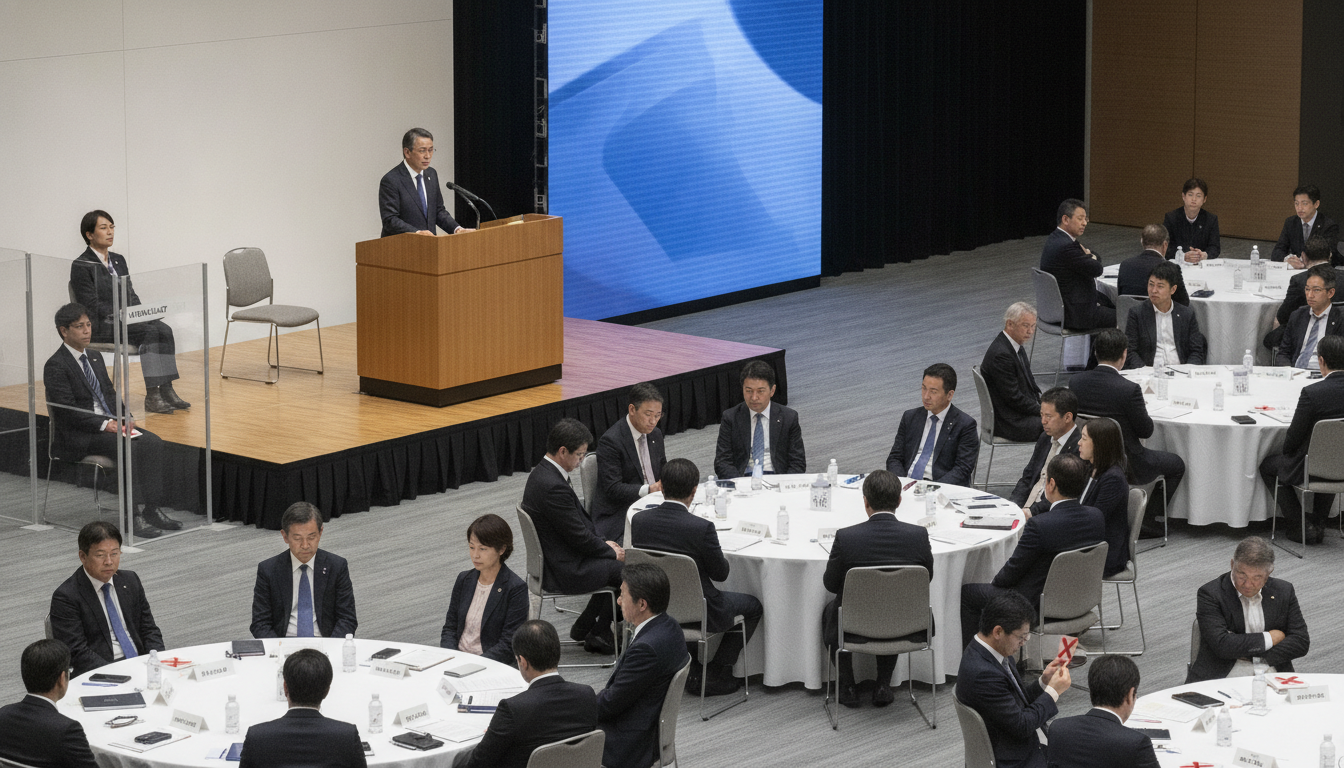
Nissan shareholders on Tuesday voted down the appointment of a key outside director who served as chair of the automaker’s audit committee, reflecting sustained investor unease over board independence and governance. The decision came at the company’s annual meeting in Yokohama on June 23, where Renault, a quarter-century partner and major shareholder, announced it would abstain from the vote. The result intensifies scrutiny of Nissan’s boardroom decisions and raises fresh questions about steps the company will take to restore investor confidence.
Shareholders Reject Audit Committee Chair
Shareholders expressed reservations about the credentials and independence of the outside director whose nomination was put to the vote, leading to the rejection of his appointment. The official tally showed that a meaningful portion of the voting base withheld support, signaling dissatisfaction with the current governance framework.
The outcome is notable because the director in question had been serving as chair of the audit committee, a role central to financial oversight and internal controls. Investors said the decision reflects broader expectations that audit committee chairs should be perceived as fully independent from influential shareholders and long-standing corporate partners.
Renault Abstains After Long Partnership
Renault, which has been a major partner and shareholder in Nissan for about 25 years, opted to abstain rather than support the contested appointment. The abstention from such a longstanding ally underscored the diplomatic and strategic tensions that can arise within cross-border automotive alliances.
Renault’s move avoided a direct clash with other shareholders while signaling disquiet without casting a vote against Nissan management. Market observers said the abstention reduces the margin by which nominees can rely on alliance backing, increasing the relative weight of independent investors and institutional holders.
Investor Concerns Over Director Independence
Institutional investors and governance-focused funds flagged director independence as the central issue driving the vote outcome. Concerns centered on whether the nominee’s ties — perceived or actual — to major shareholders or partners could undermine the audit committee’s ability to act without influence.
Proxy advisories and stewardship teams have in recent years placed greater emphasis on clear separations between major shareholders and board oversight roles. For Nissan, the vote serves as a reminder that perceived conflicts of interest can prompt decisive shareholder action even in the absence of specific allegations of misconduct.
Board and Management Response Expected
Nissan’s board and senior management are now faced with the task of explaining the vote and outlining remedial measures to restore confidence among its shareholders. Company officials typically frame such outcomes as opportunities to enhance governance practices, and investors will be watching closely for substantive responses rather than routine reassurances.
Management is also likely to consider revisions to future nominations, including clearer demonstrations of independence for committee chairs and increased engagement with major institutional investors. How Nissan communicates its next steps will affect perceptions of whether the company is addressing structural governance concerns.
Implications for Nissan’s Governance and Strategy
The rejection adds momentum to a broader debate about board composition and accountability at major Japanese corporations, where shareholder activism and international standards have increasingly shaped governance reform. Nissan, already under scrutiny following past governance controversies, may face renewed pressure to align practices with investor expectations on transparency and independence.
Analysts say the episode could influence how other automotive alliances structure cross-shareholdings and board appointments, particularly when partner relationships span decades and involve significant ownership stakes. For Nissan, the reputational impact may be as consequential as any immediate operational implications.
Potential Next Steps and Shareholder Engagement
In the weeks ahead, shareholders will push for clarity on how replacements will be identified and whether the company will amend governance charters or nomination processes. Active engagement from institutional holders may result in concrete proposals, including stricter independence criteria for audit and oversight roles.
Nissan’s ability to work constructively with Renault while addressing investor demands will be watched by global markets and governance advocates. A careful balance will be required to maintain alliance ties without compromising the perceived impartiality of board oversight.
The June 23 decision marks a clear signal from the shareholder base that governance standards remain a decisive factor in assessing leadership at Nissan, and that support from long-term partners will not insulate nominees from scrutiny.

