
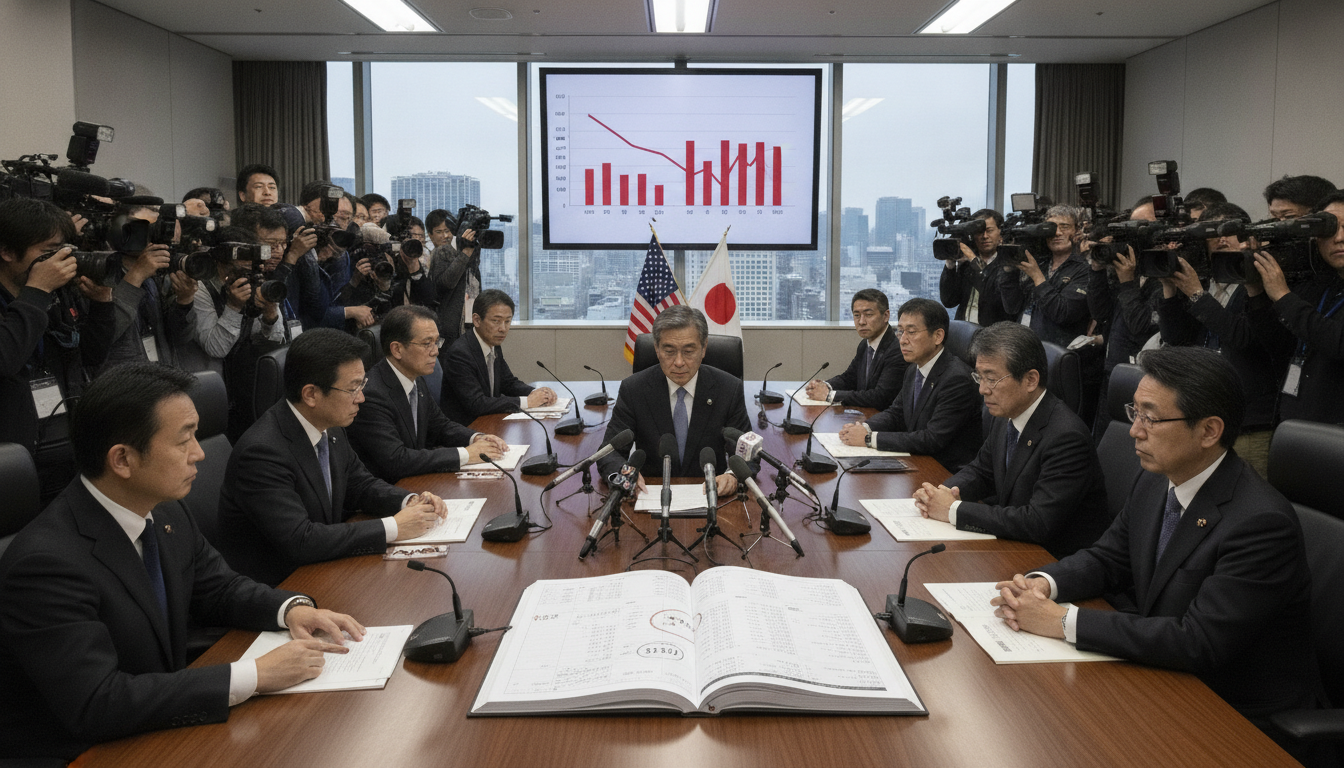
Nippon Steel’s U.S. Steel acquisition leaves heavy debt burden as interest costs surge
After acquiring U.S. Steel, Nippon Steel faces sharply higher interest-bearing debt as refinancing and rising rates strain its balance sheet through 2028.
Nippon Steel’s U.S. Steel acquisition has left the Japanese steelmaker contending with a markedly heavier debt load more than a year after the deal closed. Interest-bearing debt has more than doubled in the past year as the company undertook refinancing to service loans taken to finance the takeover. Rising global interest rates have amplified the cost of that debt, complicating the company’s plan to extract strategic value from the U.S. assets.
Debt jump and refinancing timeline
Interest-bearing debt at Nippon Steel more than doubled in the year following the acquisition as the firm moved to refinance portions of the financing package. The refinancing process included rolling over short-term facilities and adjusting terms on dollar-denominated borrowings tied to the U.S. purchase. Those moves were intended to extend maturities and secure liquidity but have left the balance sheet heavier and more sensitive to market interest-rate moves.
Refinancing in the current rate environment has translated into higher interest expenses and tighter cash flow flexibility. Management has emphasized that the steps were necessary to stabilize funding for the integration, yet the near-term financial picture shows increased interest outlays. That escalation has raised questions about how quickly the acquisition will generate returns sufficient to cover the added cost of capital.
Interest costs and margin pressure
Higher global interest rates have increased the effective cost of the loans that funded the acquisition, squeezing operating margins at a time when demand in some steel markets remains uneven. As interest expenses rise, net income available for reinvestment or debt reduction is reduced, putting pressure on profitability targets tied to the U.S. deal. The company’s earnings profile will need to improve materially to absorb these elevated finance charges without cutting back on planned investments.
Analysts note that the timing of rate increases has been unfavorable for corporate borrowers that completed large leveraged deals in recent years. Nippon Steel’s exposure is compounded by the scale of the takeover and the dollar exposure of much of the financing. Managing this pressure will require a combination of operational improvements in the U.S. business and careful debt management at the parent level.
Strategic aims of the U.S. acquisition
Nippon Steel has framed the U.S. acquisition as a long-term strategic move to secure raw-material access, expand market share, and modernize production capacity in North America. The company pledged to invest $11 billion in U.S. Steel by 2028 to upgrade facilities and integrate supply chains. Those commitments are central to the rationale for the deal, promising synergies and capacity realignment that could bolster earnings over time.
However, the strategic payoff depends on successful execution of integration plans and improvements in U.S. steel market dynamics. Capital spending programs and project timelines may be affected by the need to service higher interest-bearing debt, potentially delaying or phasing investments. That trade-off between near-term financial stability and long-term strategic investment is now a key focus for management and stakeholders.
Investor and creditor scrutiny
Investors and creditors are closely watching how Nippon Steel balances debt reduction against the promised investment program in the United States. Credit markets typically penalize unexpected increases in leverage or sustained weakness in cash generation, and rating agencies pay particular attention to refinancing outcomes and interest-coverage metrics. Market commentary has reflected concerns about the rapid rise in interest-bearing debt and the impact on credit metrics.
Shareholders have pressed for clarity on the timeline to realize synergies and on measures to shore up the balance sheet. Nippon Steel has signaled plans to manage liquidity and to pursue cost efficiencies, but the company must demonstrate tangible progress to restore investor confidence. Transparent reporting on integration milestones and financing plans will be critical in the coming quarters.
Operational integration and promised funding
On the operational side, Nippon Steel faces the dual tasks of integrating U.S. Steel’s plants and delivering on the $11 billion investment pledge by 2028. Capital allocation decisions will be scrutinized as management balances upgrading production lines with servicing elevated interest costs. Efficient deployment of the pledged funds toward projects that raise productivity will be essential to unlocking the acquisition’s intended returns.
Operational improvements in North America—such as production rationalization, environmental upgrades, and logistics optimization—could help generate the cash flow needed to ease debt burdens. The company’s ability to accelerate those efficiencies while maintaining capital discipline will shape whether the acquisition becomes a strategic win or a prolonged financial challenge.
Outlook for balance-sheet repair and integration
Nippon Steel’s immediate priorities are to stabilize financing costs, show progress on integration milestones, and begin narrowing the gap between elevated interest expenses and operating cash generation. Success will hinge on both macroeconomic conditions—particularly interest rates and steel demand—and the company’s execution on operational initiatives in the U.S. business. Clear, measurable improvements in cash flow would ease pressure on credit metrics and allow a gradual shift from refinancing to deleveraging.
The company’s long-term strategy remains focused on securing competitive scale and investing in modernization, but the path forward now requires balancing those strategic aims against the reality of a much larger interest-bearing debt burden. How effectively Nippon Steel manages that balance will determine whether the acquisition delivers the intended value for shareholders and stakeholders in the years ahead.

