
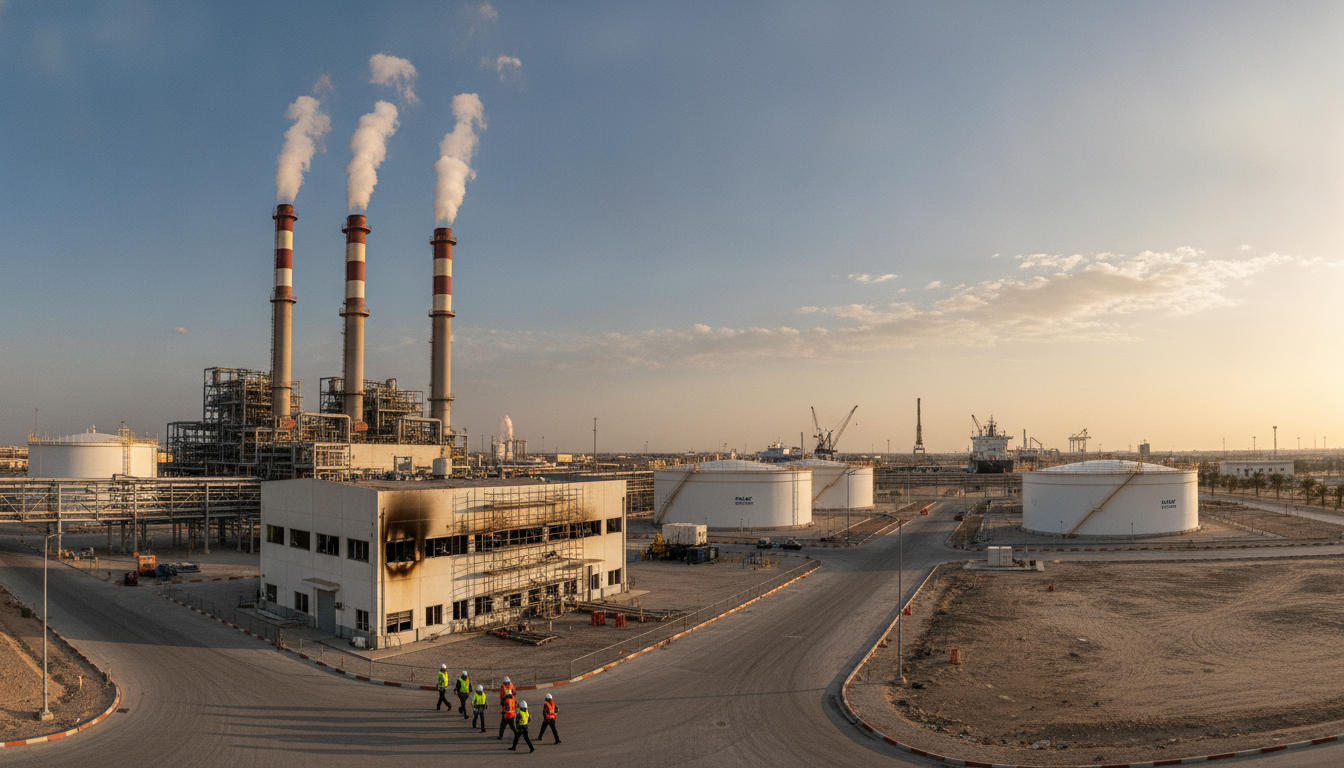
LNG prices stay elevated as Gulf tankers resume but supply damage keeps markets tight
Global LNG prices remain elevated as tankers begin moving again around the Persian Gulf, while damaged facilities and hot summer demand threaten to prolong supply constraints.
Damage to liquefied natural gas infrastructure in the wider Gulf region has left buyers scrambling and LNG prices high despite the gradual resumption of tanker movements, market participants and shipping monitors say. Slow repairs at key plants, logistical bottlenecks and forecasts for an unusually hot summer are combining to tighten supply just as demand for cooling and power generation rises. Traders and utility companies in Asia, Europe and the Middle East are monitoring vessel activity and plant restarts closely as they reassess procurement and storage plans.
Supply disruptions persist after Gulf strikes
Several liquefied natural gas export and processing sites sustained damage after recent strikes in the Gulf, reducing the region’s available export capacity. Repair timelines remain uncertain because of the extent of damage to pipelines, storage tanks and ancillary equipment, according to industry assessments.
Even where physical plant damage is repairable, safety inspections and regulatory clearance are adding days to weeks before operations can return to pre-incident levels. That delay has limited the ability of producers to meet contracted cargo schedules and left some buyers seeking alternative deliveries.
Tankers resume movement but volumes lag
Satellite tracking and port reports show tankers that were previously held in place are now sailing again, yet the overall cargo throughput has not rebounded to normal levels. Several vessels are re-routing or idling offshore due to congestion and uncertainty about berth availability at receiving terminals.
Market sources note that the resumption of vessel movement reduces short-term logistical risk but does not immediately translate into increased supply because many tankers carry partial loads or await confirmation of plant output. This disconnect between vessel activity and actual delivered volumes is helping to sustain upward pressure on LNG prices.
Qatari facilities show early signs of restart
Images and industry updates indicate that some facilities in Qatar are beginning limited restart procedures, but full-scale production remains weeks away in many cases. Operators are prioritizing safety checks, system purges and phased recommissioning to avoid secondary incidents, officials say.
Even modest restarts in Qatar, a major exporter, could help ease global tightness over time, but analysts caution that incremental output will likely be absorbed quickly by existing shortfalls rather than immediately lowering prices. The pace of ramp-up will be a critical variable for buyers dependent on long-distance shipments.
Summer heat set to amplify demand for gas
Weather forecasts showing an extended warm spell in parts of Asia and Europe raise the prospect of stronger-than-normal demand for power generation and air conditioning, further tightening balances. Utilities typically rely on a mix of gas, coal and renewables, but gas often supports peak electricity needs during heatwaves.
Higher seasonal consumption could force countries to draw more from inventories and seek out spot LNG cargoes at whatever premium prices are available. That dynamic tends to amplify price volatility and could extend the current period of elevated LNG prices through the summer months.
Market reaction and price outlook
Traders have already priced in a risk premium, citing uncertainty about repair schedules and the potential for further supply interruptions. Forward curves show dealers hedging for tighter summer balances, and some buyers are tapping more expensive spot markets to secure immediate deliveries.
Analysts say prices should moderate only once a clear, sustained increase in shipments is visible and inventories begin to rebuild. Until then, procurement strategies will likely emphasize flexibility, with buyers pursuing diversified sources, shorter-term contracts and increased use of storage capacity.
Implications for Japan and regional buyers
Japan, which relies heavily on LNG imports for power generation, is watching developments closely as it negotiates deliveries and manages fuel stockpiles for the peak summer period. Utilities may face higher procurement costs that could translate into budgetary pressure for energy companies and, indirectly, consumers.
Regional buyers across East and Southeast Asia are similarly juggling contracted supply, spot purchases and demand forecasts. For countries with limited storage, pipeline constraints or tight budgetary margins, the current market stress poses operational and fiscal challenges.
Global LNG prices are therefore likely to remain sensitive to further developments in the Gulf, the pace of facility restarts, and the severity of summer weather patterns. Market participants will be watching vessel tracking data, plant commissioning reports and demand indicators in the coming weeks for clearer signs that supply and demand are moving back toward balance.

