
Typhoon in Japan 2026: How to prepare, stay safe and respond during peak season
Japan typhoon guide 2026: Essential safety steps, sources for real-time warnings, and practical preparation advice for residents and visitors facing a typhoon in Japan.
Japan is entering the peak typhoon period and meteorological agencies are forecasting an elevated risk of tropical cyclones this season, making preparedness essential for residents and visitors alike. This article explains what a typhoon in Japan is, where to find official warnings, and practical steps to protect yourself, your home, and your travel plans during a storm. Read on for clear, actionable guidance you can use before, during and after a typhoon in Japan.
Japan Meteorological Agency and national forecasts signal higher typhoon risk in 2026
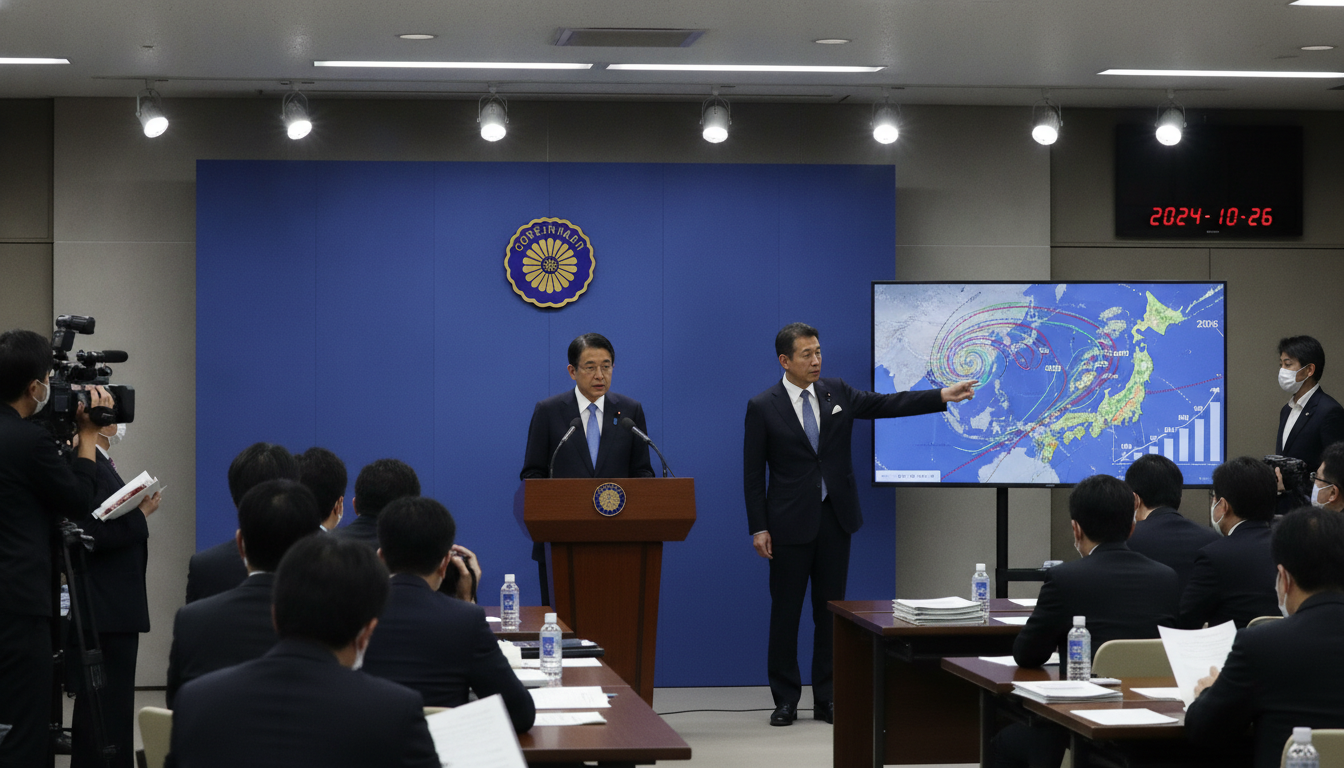
The Japan Meteorological Agency is the primary authority on tropical cyclone forecasts for Japan, issuing warnings, advisories and real-time tracking information used by local governments and broadcasters. Meteorologists monitor sea-surface temperatures, atmospheric patterns and storm formation over the northwest Pacific; these factors together inform seasonal outlooks and individual storm projections. Authorities and weather professionals have indicated a greater likelihood of typhoon activity this season, and residents should treat forecasts and warnings with urgency and attention.
Local governments rely on JMA data to trigger evacuation advisories, school closures and transport suspensions, so monitoring official releases is the fastest way to know if your area is at risk. Media organizations and municipal disaster pages typically translate JMA warnings into practical instructions for neighborhoods and wards. For anyone in Japan, having an official source bookmarked and receiving alerts directly will reduce uncertainty during rapidly changing conditions.
Where to get timely, authoritative warnings and travel updates
The most reliable updates on a typhoon in Japan come from the Japan Meteorological Agency, NHK and municipal disaster information portals, which provide wave-height forecasts, rainfall totals and wind-intensity advisories. For English-language updates, NHK World and the Japan Tourism Agency’s Safety Tips app both push alerts when warnings are issued, while the Japan Safe Travel information service collects multilingual resources and hotline numbers for travelers. These services complement each other: JMA supplies the technical forecast, broadcasters translate impacts for the public, and travel-focused channels summarize implications for visitors.
Airlines, airports and railway operators publish separate operational notices when a storm threatens schedules, so check airline notifications and the websites or social feeds of Haneda and Narita airports if you have flights. Train operators, including regional JR companies and urban subway networks, post service-status bulletins when typhoon-related suspensions are likely. Social media feeds run by official organizations can be faster than static web pages; follow verified accounts for real-time changes and cross-check with primary agencies when possible.
Immediate actions homeowners and renters should take before the storm arrives
Secure doors, windows and any moveable items on balconies well before strong winds reach your area; sudden gusts can turn ordinary objects into hazardous projectiles. Close shutters where available and reinforce lightweight fittings such as awnings and external shades; remove laundry and loose fixtures that could be blown away. Move potted plants, bicycles and small furniture indoors or to sheltered areas to reduce damage and avoid debris in public spaces.
Prepare an emergency kit that includes bottled water, nonperishable food, a battery-powered or hand-crank radio, spare batteries, a flashlight, a fully charged portable power bank, and essential medications. Keep important documents in a waterproof bag and take photographs of your property if you need to file an insurance claim later. If you live in a high-rise or a building with large glass windows, identify interior rooms with few or no windows where you can shelter during peak winds.
Public transport, flights and events: what to expect and how to plan
Expect significant disruptions to trains, subways, buses and airports when a typhoon approaches, particularly for high-speed services and coastal routes. Rail operators may halt operations preemptively to prevent accidents and protect infrastructure, and airports commonly suspend takeoffs and landings during severe winds and low visibility. If you have travel planned, confirm operational status directly with carriers and consider flexible arrangements; do not rely on taxis alone during peak demand.
Events, festivals and scheduled public gatherings are frequently canceled or postponed for safety reasons; organizers typically announce changes through official channels and ticketing platforms. For daily commuting, alternate plans such as working from home or postponing nonessential trips will reduce stress and keep transport networks available for emergency response. If you must travel, leave extra time, carry identification and emergency contact numbers, and avoid routes near rivers, coastlines and construction zones.
When and how to respond to evacuation orders and local hazard alerts
Evacuation orders in Japan are issued by municipal authorities and are categorized to reflect the level of urgency; pay attention to the language used and act accordingly. Some notices are advisory while others are mandatory evacuation orders for specific zones at risk of flooding, landslide or storm surge; follow the instructions that apply to your address without delay. If an evacuation order is issued for your area, move to a designated shelter or a sturdy, higher-elevation building as directed by local officials.
Know the nearest evacuation shelters and routes before a storm hits by checking your ward or city’s disaster-preparedness pages and local maps. Keep a plan for family members, pets and any neighbors who may need assistance, and assign responsibilities so that actions can be taken quickly when a warning is issued. When sheltering in a public facility, respect staff directions, bring essential supplies, and remain aware of secondary hazards such as power outages, blocked roads and water contamination risks.
Safety during the storm and practical steps in the hours that follow
Stay indoors and away from openings while the typhoon is active; even moderate storms can generate sudden, powerful gusts and dangerous flying debris. Avoid going outside until authorities confirm the danger has passed, and do not attempt to cross flooded roads or walk along damaged shorelines where currents and hidden hazards can be life-threatening. Inside, keep mobile devices charged and use weather radio or official apps to receive updates; conserve phone battery for essential communications.
After wind and rain subside, exercise caution when moving about: inspect the exterior of your accommodation for structural damage, fallen trees and downed power lines, and report hazards to local authorities. Photograph any damage for insurance purposes, and avoid using compromised electrical outlets or appliances until they have been checked. In flood-affected areas, be mindful of waterborne contamination and the risk of unstable ground, and follow municipal instructions about water safety and waste disposal.
Practical preparedness steps visitors and longer-term residents should adopt now
Build a basic emergency kit and keep it accessible both at home and in any place you stay while traveling across Japan; include items that match your personal needs and the number of days you anticipate being self-sufficient. Familiarize yourself with local alert systems, the location of nearby shelters and the municipal contact numbers for your ward or city, and share your plans with family or friends so someone knows your whereabouts. Consider travel insurance that covers weather-related cancellations and maintain a flexible itinerary during typhoon season between May and October, when storm frequency rises.
Language can complicate rapid decision-making, so visitors should download multilingual apps that push official alerts and compile contact information for embassies or consulates. If you depend on prescription medication, keep a backup supply and documentation in case access to pharmacies is interrupted. For those living in rented accommodation such as Airbnbs, communicate emergency procedures with hosts in advance and know who to contact if building access or utilities fail.
Preparing for a typhoon in Japan is a matter of practical steps, situational awareness and heeding official guidance from the Japan Meteorological Agency and local authorities. Keep emergency contacts and documentation to hand, follow evacuation instructions without delay when issued, and prioritize safety over travel or property concerns. By staying informed and taking straightforward precautions, residents and visitors can reduce risk and recover more quickly when storms affect communities across Japan.

