
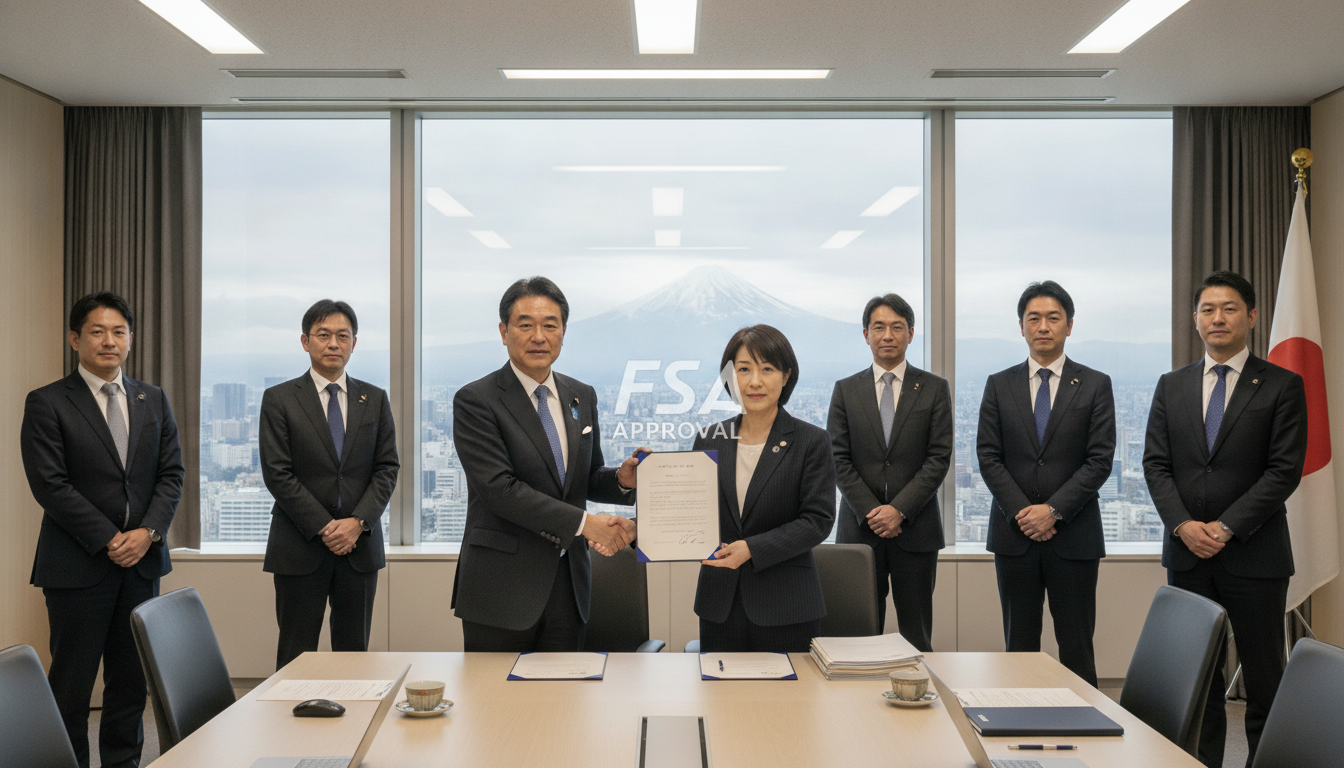
Daiichi Life Begins Arranging Leveraged Buyout Loans After Regulatory Approval as M&A Financing Grows
Daiichi Life will begin arranging leveraged buyout loans after receiving regulatory approval, tapping insurer capital to meet rising M&A financing demand in Japan.
Daiichi Life said it has been authorized by regulators to arrange leveraged buyout loans, becoming the first Japanese life insurer to win such permission. The move allows the firm to provide buyout financing alongside traditional lenders and is timed as corporate merger-and-acquisition activity in Japan accelerates.
The decision marks a notable shift in how life insurers deploy long-term assets, with Daiichi Life positioning itself to fill a growing niche in deal finance. Company executives and market observers view the step as a response to increased demand from private equity firms and corporate acquirers seeking non-bank financing options.
Daiichi Life secures approval to arrange leveraged buyout loans
Daiichi Life received regulatory clearance to act as an arranger for leveraged buyout loans, enabling the insurer to structure and syndicate debt for buyouts. Regulators approved the activity after reviewing the firm’s risk management and compliance frameworks, the insurer said.
As arranger, Daiichi Life can originate, structure and coordinate lending packages, and it may also retain portions of loans or work alongside banks and other institutional investors. The arrangement expands the firm’s product set beyond conventional fixed-income and equity investments into direct lending for corporate transactions.
Insurer capital tapped to meet M&A financing needs
The insurer’s move reflects a broader search for stable, yield-generating assets amid low interest rates and competitive markets. Leveraged buyout loans typically offer higher yields than public bonds, which makes them attractive to insurers managing long-duration liabilities.
By deploying a portion of its deep capital base into buyout financing, Daiichi Life aims to capture fee income and lending spreads while supporting an expanding pipeline of domestic and cross-border acquisitions. The strategy also allows the insurer to negotiate covenants and structures tailored to long-term investors.
Shift toward private credit among institutional investors
Globally, institutional investors have increased allocations to private credit markets, and Japan is now showing similar tendencies. Life insurers are well placed to participate because of their long-term liabilities, which align with the illiquid, multi-year nature of buyout loans.
Market participants expect that other large Japanese insurers and pension funds will assess similar opportunities if the returns and risk profiles remain attractive. Greater involvement by non-bank lenders could broaden the pool of financing available for mid-market and large buyouts.
Risk controls and regulatory oversight remain central
Industry experts note that lending into leveraged buyouts carries distinct risks, including borrower leverage, covenant negotiation and liquidity concentration. Regulators have signaled that insurers must demonstrate robust underwriting, diversification and stress-testing before expanding in this area.
Daiichi Life has indicated it will employ dedicated credit teams and use syndication to limit concentration, while maintaining internal limits and monitoring frameworks. The insurer will need to balance yield objectives against potential credit losses and market volatility.
Implications for banks, private equity and corporate borrowers
Banks that historically dominated buyout financing may face heightened competition for mandates and syndication roles as insurers enter the market. Co‑lending arrangements and structured syndicates are likely to emerge to spread risk among lenders.
For private equity firms and corporate buyers, the addition of life insurers as arrangers and lenders could increase competition for capital and potentially lower financing costs. Faster access to diverse financing sources may also expand dealmaking opportunities across sectors and company sizes.
Timeline and next steps for deal activity
Daiichi Life is expected to begin arranging transactions in the coming months, focusing initially on selective mandates where underwriting standards and return profiles meet its criteria. The insurer’s debut in the market will be watched closely by regulators, competitors and dealmakers for signals about pricing, covenant strength and syndication practices.
If the model proves sustainable, it may prompt a gradual reconfiguration of Japan’s M&A financing landscape, with long-term institutional capital playing a larger role alongside banks and specialist lenders.
The expansion into leveraged buyout loans underscores how insurers are recalibrating investment strategies to generate returns while supporting corporate restructuring and consolidation. As Daiichi Life moves into deal arranging, market participants will be assessing how this capacity changes funding dynamics for acquisitions across Japan.

