
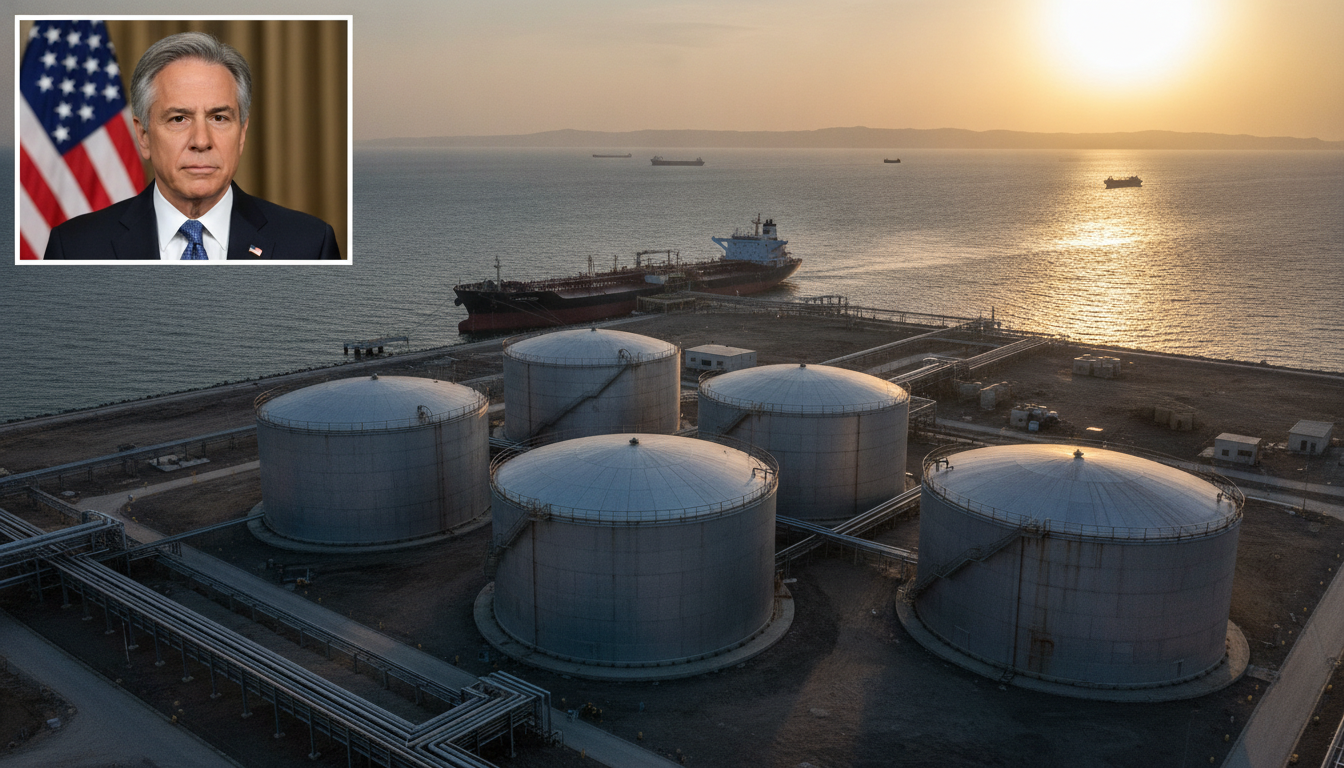
China’s stockpiles blunt impact of Strait of Hormuz closure, analysts say
A report warns a Strait of Hormuz closure would favour China, whose large energy stockpiles and diplomatic posture could insulate Beijing and reshape regional energy and security dynamics.
Strong warning from consultancy on regional disruption
The Asia Group said in a recent report that a closure of the Strait of Hormuz would leave Beijing better positioned than many other actors to weather prolonged disruption. The report argues that China’s strategic petroleum reserves and diversified energy procurement have reduced its immediate vulnerability to a forced stoppage of Gulf oil flows.
Former Biden administration official Kurt Campbell, who served as deputy secretary of state from 2024 to 2025, has made similar public assessments about Beijing’s capacity to absorb shocks. His commentary and the consultancy’s analysis together have prompted renewed attention in capitals across Asia and Europe to contingency planning for maritime chokepoints.
How China’s reserves change the balance
China has invested in commercial and strategic storage capacity over the past decade, according to public analyses, enabling it to smooth supply interruptions for months. Those reserves, when combined with long-term contracts and growing imports from non-Gulf suppliers, reduce the leverage a maritime blockade could exert on Beijing.
Analysts say that while stockpiles do not make China immune to price volatility or logistical bottlenecks, they provide time to adjust procurement and shipping strategies. That breathing room can translate into diplomatic and strategic advantages during any period of heightened tension in the Gulf.
Kurt Campbell’s assessment and its implications
Kurt Campbell has been a prominent voice on Indo-Pacific strategy and economic statecraft, and his recent remarks have amplified concerns about asymmetric resilience. He highlighted that states with limited reserves and rigid market exposure would feel the effects of a Hormuz disruption far sooner and more sharply.
Campbell’s perspective underscores a broader policy debate in Washington and allied capitals about how to deter disruptions while ensuring energy security. His view has been cited by policymakers assessing whether to increase naval patrols, accelerate fuel diversification, or expand strategic storage outside Gulf supply chains.
Risks to Japan and regional energy importers
For Japan and other Northeast Asian importers, a prolonged Strait of Hormuz closure would present complex risks despite diversification efforts. Japan relies heavily on tanker routes that pass through the Gulf and nearby transit points, and any sustained interruption could raise fuel and electricity costs while complicating industrial supply chains.
Tokyo has been expanding liquefied natural gas (LNG) procurement and pursuing renewable capacity to mitigate such vulnerabilities. Still, analysts caution that short- to medium-term price spikes and shipping rerouting would have economic and political consequences that require coordinated planning with allies and industry.
Shipping, insurance and alternative routes
A shutdown of the Strait would force tankers to consider longer and costlier routes, such as circumnavigating Africa, while insurers could raise premiums on Gulf-related voyages. Those shifts would increase transport times and expenses, amplifying the economic fallout for both energy importers and the exporters whose revenues could be disrupted.
Ports in Southeast Asia and transit corridors outside the Gulf would likely see increased traffic, prompting logistical bottlenecks and higher operational strain. Maritime security experts warn that these secondary effects could cascade through global supply chains beyond crude oil markets.
Policy options for Washington and partners
Governments have a limited toolkit to respond to a sudden closure of the Strait beyond diplomatic pressure, economic sanctions, and naval deployments intended to keep sea lanes open. Building and sharing strategic reserves, strengthening alternative supply links, and coordinating demand-reduction measures are among the pragmatic steps available.
Multilateral mechanisms to reassure markets and guarantee transit for commercial shipping could lessen the incentive for escalatory behaviour. However, experts stress that preparedness must be coupled with deterrence strategies that reduce the likelihood of a deliberate blockade in the first place.
Economic and geopolitical aftershocks
Even if Beijing manages near-term disruption more comfortably than others, analysts warn that prolonged stress in Gulf flows would reconfigure energy markets and geopolitics. Price volatility, shifts in alliance behaviour, and new trade patterns could all emerge, with long-term effects on investment decisions in the energy sector.
The Asia Group’s assessment and commentary from officials like Kurt Campbell have prompted calls for a reappraisal of regional contingency planning. Policymakers face the dual challenge of preventing conflict at critical chokepoints while ensuring adequate buffers to protect domestic economies.
The prospect of a Strait of Hormuz closure has moved from a theoretical contingency to a central concern for energy and security planners, prompting governments to review reserves, shipping practices, and diplomatic strategies to reduce vulnerability and preserve stability.

