
Dentsu to cut overseas subsidiaries by up to 30% as it reshapes business for AI competition
Dentsu will reduce overseas subsidiaries by up to 30% by fiscal 2028, consolidating its global operations to sharpen focus on AI-driven services and restore profitability.
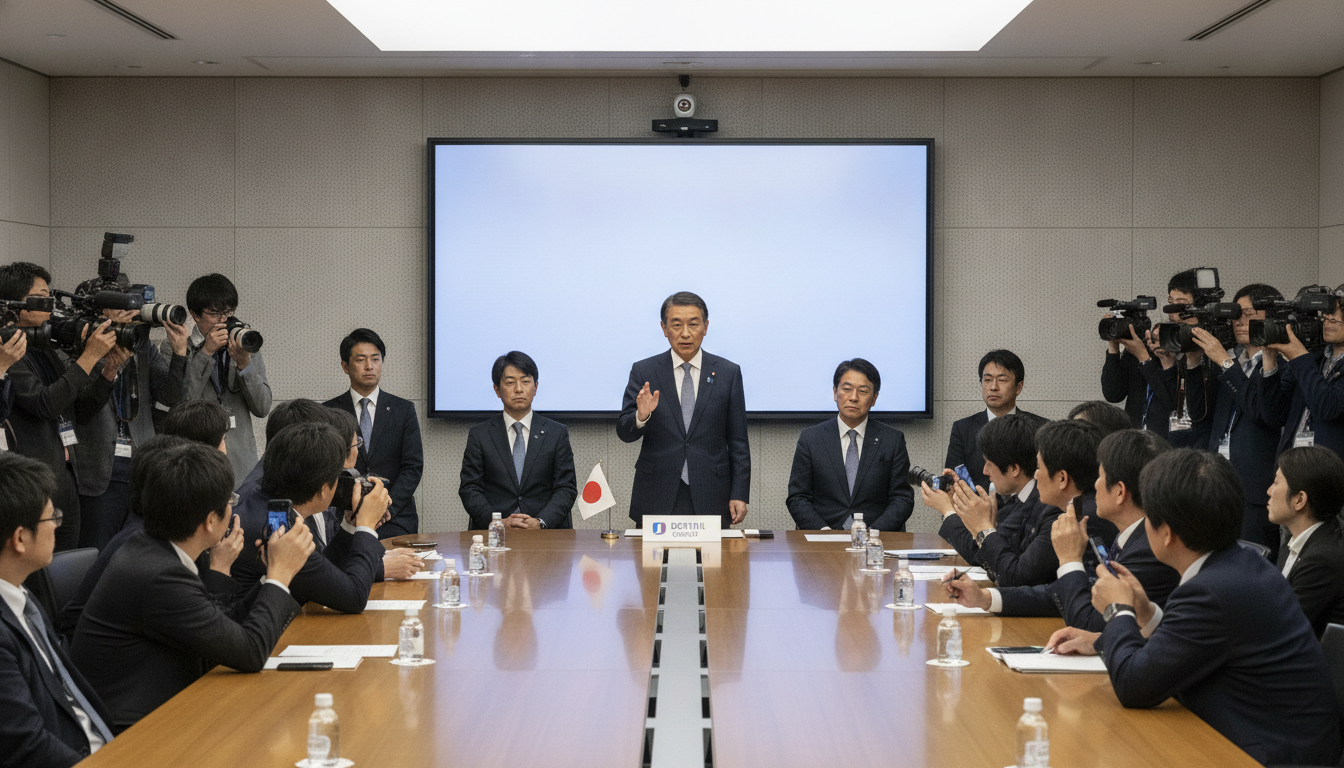
Dentsu Group announced on Friday, August 14, 2026, that it will cut the number of its overseas subsidiaries by as much as 30% by fiscal 2028 as part of a wide-ranging restructuring of its international operations. The move comes as the Japanese advertising giant seeks to streamline a sprawling portfolio of businesses outside Japan and sharpen its competitive edge against consulting and technology firms. Dentsu also reported a return to profit in the January–June period, reversing a loss in the same period last year, as it intensifies cost and structural reforms.
Decision to shrink overseas footprint
Dentsu said the reduction will target overlapping operations and underperforming units in markets where scale or specialization is lacking. The company plans to either merge subsidiaries, sell certain entities, or close operations that do not fit its strategic priorities. Management framed the cuts as a way to concentrate investment on higher-growth, AI-enabled capabilities rather than maintain a diffuse network of smaller offices.
The scale of the change — up to a 30% reduction — signals a significant rebalancing of the group’s global reach. Executives described the overseas pruning as a multi-year program through fiscal 2028 designed to simplify governance, reduce duplication, and free capital for technology and product development. The company has not released a public list of affected subsidiaries or regions.
Profit turnaround and financial context
Dentsu reported it swung back to a profit for the six months ending June 30, 2026, after recording a loss in the same period a year earlier. Company statements attribute the improvement to a combination of cost controls, portfolio adjustments, and early benefits from restructuring measures. The half-year result provided management with room to accelerate planned changes while signaling investor pressure to improve margins.
Despite the profit swing, Dentsu warned that global markets remain challenging and that returns will depend on the success of the overseas consolidation and new service offerings. The group emphasized that the program is aimed at restoring sustainable profitability rather than delivering one-off gains, and that it will monitor performance milestones as the plan unfolds.
Competition from consultancies and tech giants
Dentsu explicitly cited intensifying competition from consulting firms and technology companies as a driver of the reorganization. Global players such as Accenture and Google have expanded marketing, analytics, and AI-driven services, blurring the lines between traditional advertising, consulting, and technology platforms. These entrants often combine strategy, systems integration and scaled cloud or AI infrastructure, putting pressure on legacy ad groups to match end-to-end capabilities.
Industry analysts say Dentsu’s move reflects a broader sector trend in which traditional agencies consolidate and invest heavily in data, automation and AI to retain clients. The challenge is not only technological but also organizational: agencies must adapt commercial models and talent structures to compete with firms that sell both strategic advice and implementation at scale.
Refocusing on AI and higher-margin services
A central theme of Dentsu’s plan is redirecting resources toward AI-enabled products and services that can command higher margins. The company intends to accelerate development of analytics, marketing automation, and creative technologies that leverage machine learning. Management has described the strategy as building “differentiated” offerings where Dentsu can combine creative expertise with data science and systems delivery.
Part of the operational shift will involve reallocating investment from low-growth or commoditized services into specialized units that integrate AI with client strategy. Dentsu also plans to pursue partnerships and potential acquisitions that strengthen its technology stack, while exiting businesses that duplicate external capabilities.
Implications for employees and clients
Consolidation of overseas subsidiaries will likely lead to workforce realignment in affected markets, though Dentsu has not disclosed specific job-cut estimates. The company said it will aim to redeploy talent where possible into growth areas and to provide support for transitions. Client-facing teams may be reorganized to align with the new service model and to centralize technical resources for cross-border campaigns.
For clients, Dentsu said the restructuring should enable more consistent global delivery and clearer accountability for AI and data-led services. However, some advertisers may view the consolidation as a signal of short-term disruption, particularly in markets where local operations are merged or sold. Dentsu has pledged to work closely with key customers to minimize interruptions.
Execution risks and market reaction
The plan carries execution risks typical of large-scale reorganizations, including integration challenges, potential regulatory hurdles in cross-border sales, and the risk that consolidation reduces local market agility. Investors will be watching whether cost savings materialize on schedule and whether revenue growth from AI-related services offsets any transitional headwinds.
Market reaction to the announcement was mixed, with observers noting that Dentsu’s decisive stance addresses structural weaknesses but will require disciplined implementation. The company’s ability to compete with consultant-tech hybrids will depend on how rapidly it can scale proprietary offerings and shift client engagements toward integrated, higher-value work.
Dentsu’s decision to cut overseas subsidiaries by up to 30% through fiscal 2028 marks a significant strategic pivot as the group seeks to reassert competitiveness in a rapidly changing global market. The coming quarters will reveal whether the restructuring, paired with a focus on AI and streamlined operations, can restore long-term profitability and sustain the company’s place among global marketing leaders.

