
Wikipedia reforms take center stage as new CEO warns against AI “free-riding”
Bernadette Meehan, Wikipedia’s new CEO, outlines reforms to curb AI firms’ use of free content and to diversify revenue as the encyclopedia marks its 25th year.
New CEO outlines strategy in Tokyo visit
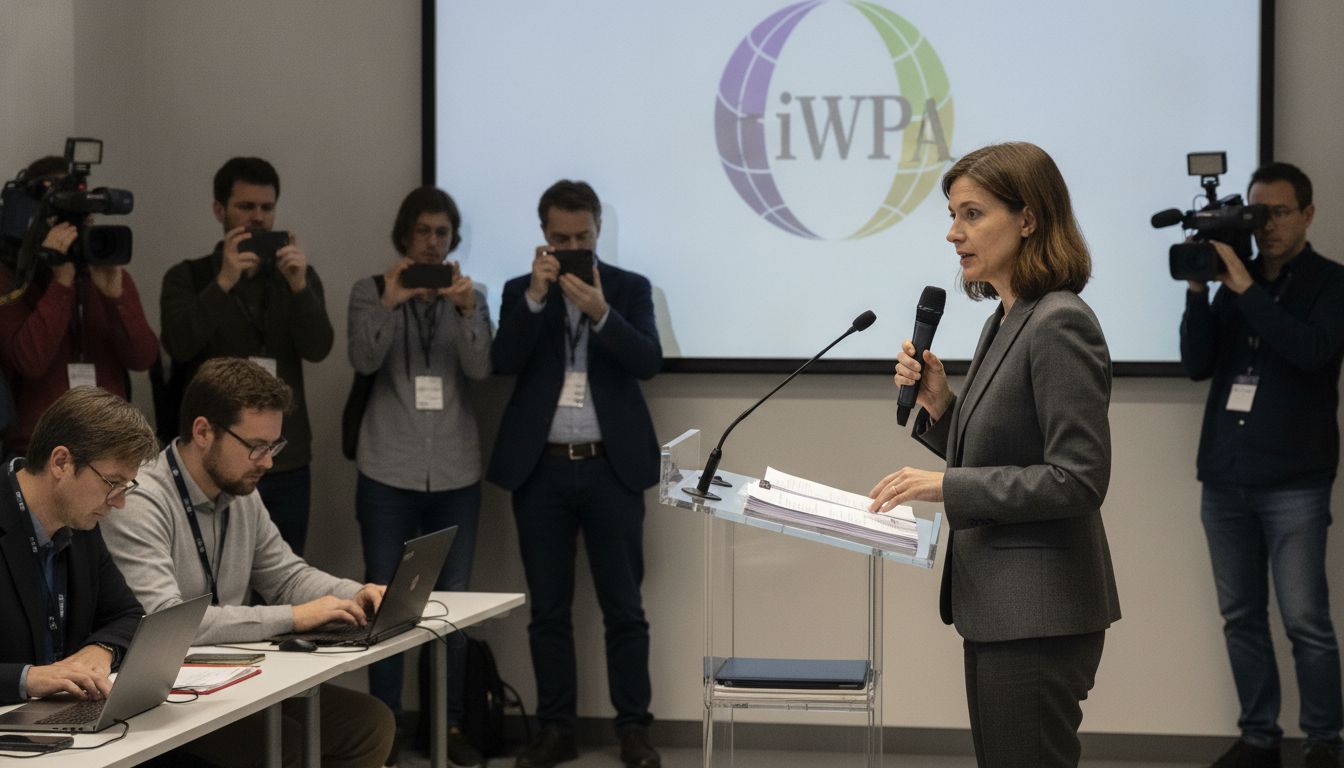
Bernadette Meehan, who became CEO of the Wikimedia Foundation in January 2026, visited Tokyo in May to present a roadmap of Wikipedia reforms to Japanese media and partners.
She framed the strategy as a response to rapid advances in generative AI and persistent financial pressures on the non-profit that runs the world’s largest free encyclopedia.
Meehan emphasized that while Wikipedia’s content remains free to read and edit, “our content is free but delivering it to the world is not free,” underlining the foundation’s need to secure sustainable funding.
Her remarks set the tone for a series of policy and technical measures aimed at protecting volunteer-created knowledge from commercial exploitation by AI companies.
Tackling AI “free-riding” by tech firms
A central plank of the announced Wikipedia reforms is confronting what Meehan described as “free-riding” by AI developers that train models on public knowledge without meaningful compensation.
The foundation is exploring restrictions on automated bulk access and licensing arrangements that would require commercial users to pay for structured, high-quality extracts of Wikipedia content.
Officials say such measures are intended to ensure that companies building language models and other AI systems contribute back to the ecosystem that sustains reliable information.
The proposal signals a shift from passive availability toward active management of how Wikipedia content is consumed at scale by corporate systems.
Revenue diversification and membership models
Meehan told reporters the foundation must diversify revenue sources beyond individual donations and occasional institutional grants.
Options under consideration include tiered licensing for commercial users, partnerships with cultural and educational organizations, and expanded membership benefits for contributors and readers.
The Wikimedia Foundation has long relied on global fundraising drives and volunteer labor, but leaders now argue those channels alone are insufficient as operating costs and demand for curated data grow.
Any new revenue tools would be designed to preserve free public access while creating sustainable income streams to support editorial oversight and technical infrastructure.
Community and volunteer concerns
Volunteer editors and contributor communities are central to Wikipedia’s identity, and leaders acknowledge potential tensions around monetization and access controls.
Meehan said the foundation plans to consult broadly with volunteers to ensure policy changes respect editorial independence and the decentralized governance model that has guided Wikipedia since 2001.
Some contributors have warned that paywalls or restrictive APIs might erode openness or create inequities between well-resourced users and smaller projects.
The foundation has pledged transparent rule-making and phased technical changes to avoid abrupt disruptions to volunteer workflows.
Scale and audience challenges
Wikipedia receives roughly 15 billion pageviews per month, reflecting its role as a primary starting point for online information in many countries.
Yet the foundation faces a paradox: huge global reach but stagnant or declining engagement in some demographics and language communities.
Meehan said attracting new readers — particularly younger users and speakers of underrepresented languages — is a priority within the Wikipedia reforms agenda.
Planned investments include improved mobile experiences, localized content support, and tools to help volunteers produce high-quality articles more efficiently.
Policy changes and access controls
Specific policy actions being studied include rate limits for automated crawlers, commercial API terms, and metadata agreements for third-party services that redistribute Wikipedia content.
Legal and technical teams at the foundation are working to balance enforceability with the open-license principles that allow anyone to reuse Wikipedia material for noncommercial purposes.
The move toward conditional access for commercial-scale consumers is likely to provoke industry debate about what constitutes fair use of freely contributed knowledge.
Regulators and civil society groups will watch closely to see whether the foundation can secure both financial contributions and continued public access.
International implications and partnerships
Meehan’s Tokyo visit also emphasized collaboration with national libraries, universities, and cultural institutions to strengthen content quality and preservation.
Partnerships aimed at digitizing archives, supporting local-language editors, and improving citation resources were highlighted as key elements of the reforms.
The Wikimedia Foundation plans to expand institutional relationships that can provide stable funding while helping to broaden Wikipedia’s content base.
Such alliances are presented as complementary to individual donations rather than replacements for grassroots support.
The Wikimedia Foundation’s proposed approach to Wikipedia reforms represents a practical response to the twin pressures of technological disruption and financial strain.
By seeking payments from large commercial users and investing in audience growth and community support, the foundation aims to keep Wikipedia both free to the public and resilient in an era shaped by generative AI.

