
Phoenix Tailings to build U.S. rare-earth midstream plant, drawing on Asian suppliers and investors
Phoenix Tailings to build a U.S. rare-earth midstream processing plant, backed by Sumitomo Presidio and Yamaha Motor Ventures, targeting operations in 2028.
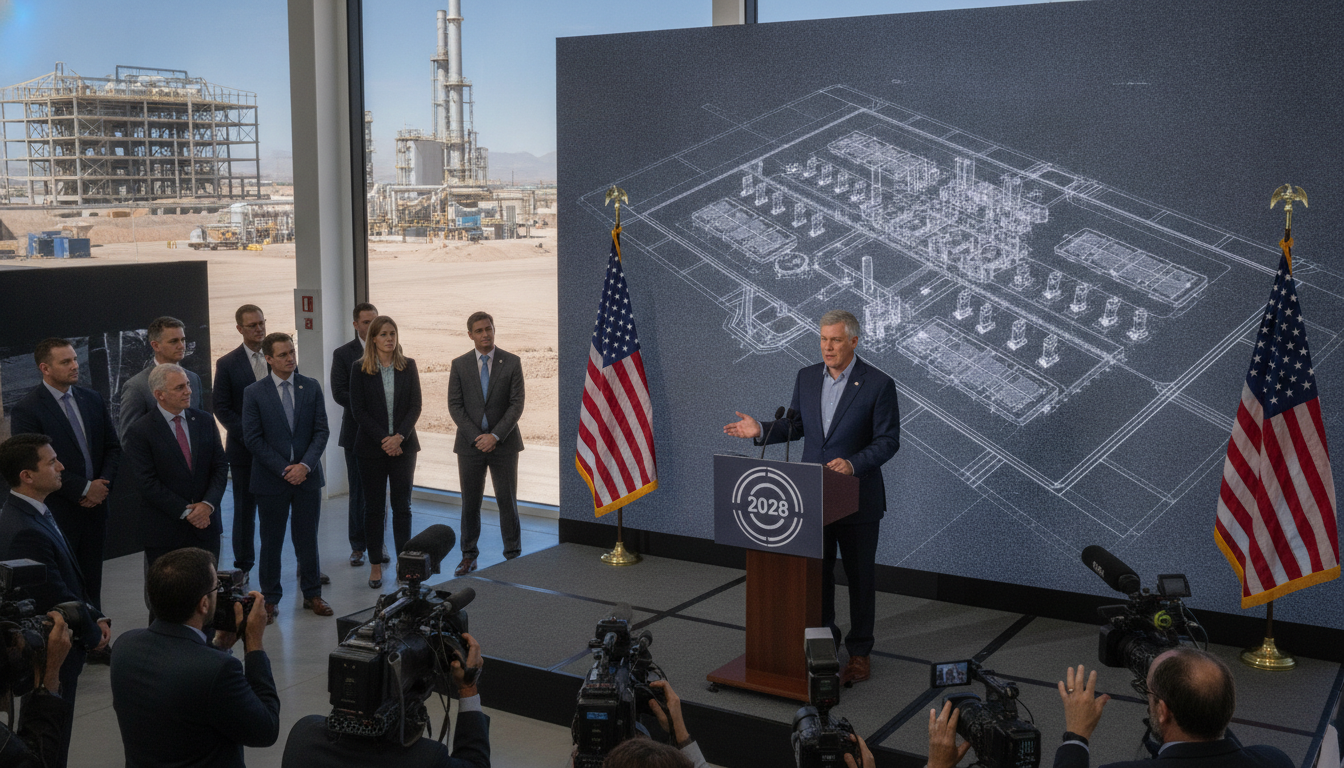
Phoenix Tailings, a U.S. rare earths processing startup, confirmed plans to expand its operations and construct a midstream processing facility in the United States as it leans on Asia’s manufacturing expertise and raw material supplies. The move, the company says, is intended to strengthen critical-minerals supply chains among allied nations while accelerating domestic processing capacity. Backed by Sumitomo’s Presidio venture arm and Yamaha Motor Ventures, Phoenix Tailings aims to begin operations in 2028 as it scales technology and secures feedstock for the plant.
Phoenix Tailings to build U.S. midstream plant
Phoenix Tailings plans to develop a midstream rare-earths processing site in the United States to bridge raw-material inputs and downstream manufacturing needs. Midstream processing typically converts mined ores or recycled feedstock into separated rare-earth oxides or chemical precursors that manufacturers can use directly. Company materials indicate the new facility will focus on adding value domestically rather than exporting raw concentrates, a step seen as essential by industry participants seeking greater supply-chain resilience.
Backing from Japanese investors and Asian links
The project is being financed in part by Japanese corporate venture units, including Sumitomo’s Presidio arm and Yamaha Motor Ventures, which are providing capital and strategic support. Phoenix Tailings has said it will tap Asia’s manufacturing know-how and access to raw-material supplies in assembling its technical team and supply networks. The company’s newly appointed Asia Pacific president has described the strategy as part of a broader effort to bolster a network for critical minerals among allied economies, aligning private investment with geopolitical priorities.
What midstream processing will do
Midstream rare-earth processing sits between upstream mining and downstream manufacturing, delivering materials in the chemical forms that electric-vehicle motors, wind turbines and consumer electronics require. By refining and separating mixed concentrates into individual oxides or alloys, a midstream plant reduces reliance on overseas processors and shortens lead times for domestic producers. Such facilities also enable tighter quality control and can support recycling streams that recover elements from industrial waste and mine tailings.
Timeline and operational targets
Phoenix Tailings has set a target to begin operations in 2028, a timeline that reflects the technical complexity and permitting work ahead. Developing a midstream plant typically requires securing environmental approvals, engineering design, specialized equipment and a reliable feedstock pipeline, each of which can extend project schedules. The company says it will phase construction and commissioning to align capacity additions with demand from U.S. manufacturers and allied partners.
Geopolitical and industrial implications
A U.S.-based midstream facility backed by Asian investors could change dynamics in the rare-earths value chain by combining capital, technical skills and feedstock access across regions. Policymakers and industry executives have emphasized that resilient supply chains for critical minerals are vital to national security and decarbonization goals, and private projects like this are increasingly viewed as complements to government initiatives. For manufacturers of electric motors, defense components and renewable-energy technologies, closer access to processed rare-earth materials could reduce price volatility and logistical bottlenecks.
Market dynamics and environmental considerations
While midstream capacity can alleviate some supply constraints, the rare-earths market remains subject to price swings, concentrated processing capacity in some markets, and complex extraction chemistry. Processing operations also carry environmental and regulatory obligations, particularly where tailings and chemical reagents are involved, making compliance and community engagement central to project success. Phoenix Tailings has underscored its intent to use proven processing methods and to work with regulators and partners to mitigate potential environmental impacts as the facility is developed.
Phoenix Tailings’ plan to link U.S. processing capacity with Asian technical and material resources highlights a hybrid approach to securing critical-minerals supply chains: mobilizing global expertise while locating production closer to end users. If the company meets its 2028 target, the facility would represent a tangible step toward diversifying processing options and reducing lead times for industries dependent on rare-earth elements. The project’s progress will be watched closely by manufacturers, investors and policymakers seeking practical solutions to supply-chain vulnerabilities.

