
LDP to push House of Representatives seat reduction and ‘vice-capital’ bills after prioritizing Imperial Household Law debate
LDP to prioritize Imperial Household Law debate while pressing to pass House of Representatives seat reduction and ‘vice-capital’ bills before Diet session ends.
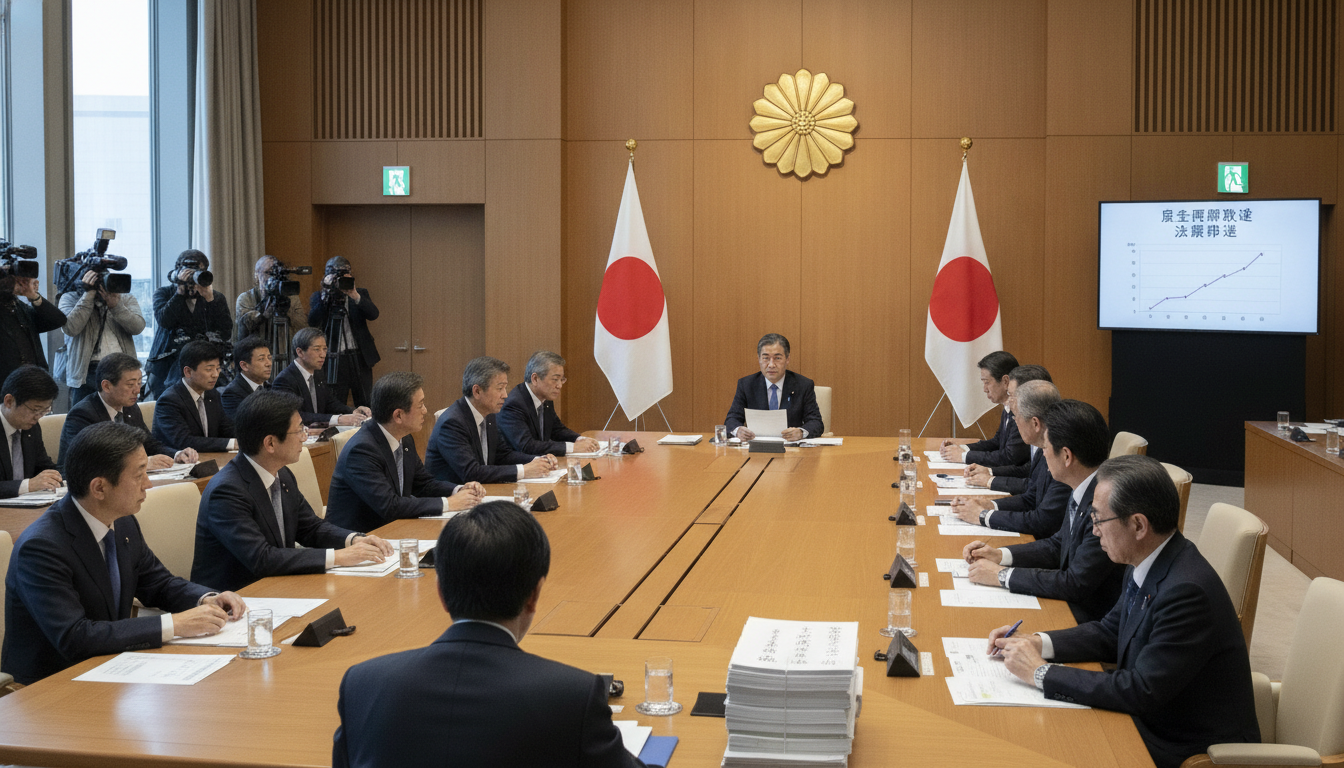
The ruling Liberal Democratic Party signaled on July 2, 2026, that it will prioritize deliberations on an amendment to the Imperial Household Law while simultaneously seeking to secure passage of a House of Representatives seat reduction and related "vice-capital" bills in the current Diet session. Party officials told opposition delegations they expect the Imperial Household Law debate to take precedence, but they also made clear they intend to move the two contested bills toward enactment before the session concludes.
The announcement deepens a standoff in the Diet, with opposition parties warning that an aggressive push to force votes could undermine the calm environment needed for the sensitive imperial succession discussion. Lawmakers, party strategists and parliamentary aides expressed concern that the competing priorities could create a cycle of obstruction that delays both deliberations and legislative business.
LDP frames sequencing: Imperial Household Law first
LDP leaders told opposition counterparts they will give top priority to hearings and debate on the Imperial Household Law amendment, according to party sources. The party argues that securing a legislative timetable for the succession-related measure is essential before addressing broader electoral and regional governance reforms.
At the same time, LDP officials signaled they expect the Diet to consider the House of Representatives seat reduction bill and the "vice-capital" legislation after the Imperial Household Law debate is completed. That sequencing, party leaders said, is intended to balance the urgency of imperial matters with long-standing party priorities on electoral reform and decentralization.
Opposition cautions against forcing votes
Senior opposition figures from the Centrist Reform Alliance and other parties cautioned that attempting to drive the two bills to an immediate vote would create an atmosphere unsuited to a measured Imperial Household Law debate. They argued that a contentious vote-counting strategy would polarize the chamber and could provoke walkouts, filibusters or other delaying tactics.
Opposition negotiators said they had raised the prospect that a rushed schedule would not only damage parliamentary decorum but also risk public backlash, given the sensitivity of the imperial succession issue. They pressed the LDP for assurances that votes would not be expedited at the expense of deliberation.
Ishin presses for enactment before July 17 session end
The Japan Innovation Party (Ishin) has made the two bills central to its legislative agenda and is increasingly anxious as the July 17 Diet session deadline approaches. Party officials told colleagues they will intensify efforts to secure enactment within the current session, reflecting long-term commitments to reducing the size of the lower house and implementing a "vice-capital" framework.
Ishin’s urgency has contributed to behind-the-scenes negotiations with the LDP, with both sides exploring a written understanding that would tie prioritization of the Imperial Household Law to a commitment to pass the seat reduction and vice-capital bills. The party sees a formalized memorandum as a way to prevent its core measures from being sidelined.
Draft memorandum reportedly references session extension
People familiar with the talks said the draft memorandum being discussed includes an explicit reference to the possibility of extending the Diet session. The inclusion of “session extension” language appears aimed at providing the time necessary to complete both the imperial law deliberations and the subsequent votes on the contested bills.
The reference to extending the session does not, however, guarantee agreement among all parties. Opposition lawmakers remain skeptical that a limited extension would be sufficient, and some conservative and centrist members said they would judge any extension on whether it truly assures substantive debate rather than merely serving as a procedural device.
Political calculations and institutional risks
LDP strategists face a political calculation: yield too much time and risk losing momentum on reform measures; press too hard and imperil a careful public discussion of the imperial succession. The balance matters for both public opinion and intra-coalition cohesion, especially as electoral reform touches constituency representation and party interests.
Parliamentary aides cautioned that sustained confrontation could lead to broader legislative paralysis, affecting unrelated bills and committee work. If the chamber becomes gridlocked, the Imperial Household Law debate itself could suffer delays, creating a paradox in which the prioritization pledge undermines its stated purpose.
The coming days are likely to test whether the LDP can secure a negotiated path that satisfies Ishin’s demand for timely enactment of the House of Representatives seat reduction and vice-capital bills while preserving an orderly and respectful forum for the Imperial Household Law amendment. Lawmakers from both sides said they are watching closely for any formal memorandum or moves to extend the Diet session, and stakeholders in the palace, the bureaucracy and across party lines will be monitoring how parliamentary strategy shapes the fate of these interlinked measures.

