
Huawei smartphone shipments to rise toward 60 million as company presses overseas expansion
Huawei aims to raise smartphone shipments to nearly 60 million this year, pushing overseas growth after a Malaysia launch amid chip shortages and lingering export controls.
Huawei said it will pursue a significant increase in Huawei smartphone shipments this year, setting a target that could reach as many as 60 million units. Company directives to suppliers signal a push to raise production by more than 20 percent over last year, even as the global memory chip crunch persists. The move accompanies a Malaysia product launch intended to strengthen the firm’s overseas presence and accelerate recovery from years of export restrictions.
Shipment target and supplier guidance
Industry sources say Huawei has told assembly and component suppliers to prepare for a step-up in volumes aimed at hitting roughly 60 million smartphones in calendar-year shipments. That target compares with production of under 50 million units the previous year, implying a rise of more than 20 percent if achieved. Suppliers were reportedly given production schedules and component allocation requests reflecting the planned increase.
Those briefed on the matter described the guidance as precautionary but firm, with Huawei focusing production on models expected to sell strongly in overseas markets. The company appears to be shifting allocation toward regions where it can expand sales without encountering the most intense regulatory headwinds. Suppliers indicated Huawei is seeking flexibility from memory and chip vendors to manage the ongoing supply constraints.
Malaysia product launch aimed at overseas growth
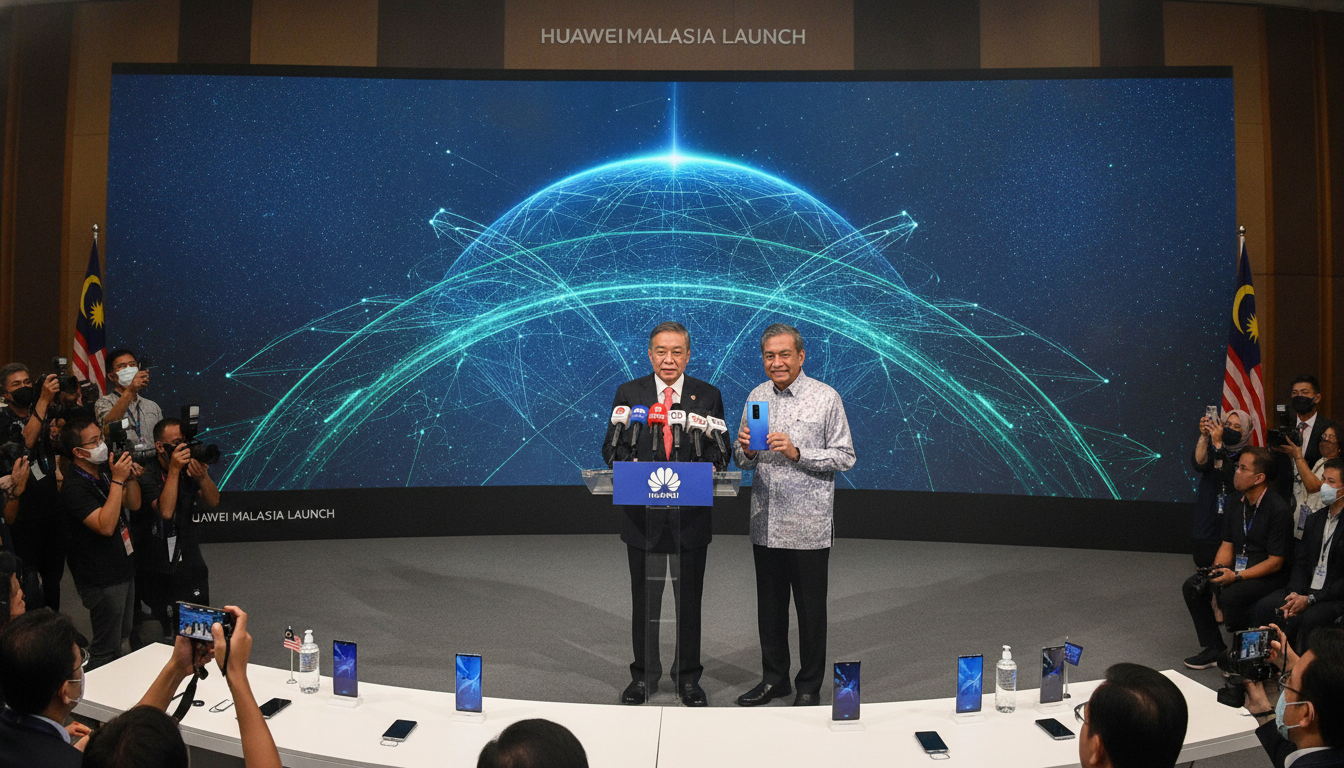
Huawei staged a product launch in Malaysia as part of a broader push to win back market share abroad and showcase new models tailored to regional demand. Executives at the launch emphasized devices and services designed for international consumers, seeking to rebuild brand momentum outside its domestic market. The event is part of a sequence of launches and promotional campaigns planned across Southeast Asia and other overseas territories.
Analysts say such launches are designed not only to sell hardware but to re-establish carrier and retail relationships that were weakened during earlier sanctions. Huawei’s immediate objective appears to be restoring distribution channels and convincing partners to increase orders in anticipation of higher shipment targets. Market promotions and local partnerships will be central to converting production capacity into actual sales.
Memory chip crunch and production risks
The planned increase in Huawei smartphone shipments comes despite a constrained memory chip market that has tightened supply and raised costs for manufacturers worldwide. Memory shortages can force companies to prioritize higher-margin models, delay rollouts, or accept slower growth if suppliers cannot meet demand. Huawei is reported to be negotiating with multiple memory suppliers and adjusting its product mix to mitigate the risk.
Procurement strategies include securing longer-term agreements, shifting orders across modules, and reprioritizing models by expected profitability. Nonetheless, the scale and timing of chip availability remain uncertain, and any renewed disruption could undercut Huawei’s ability to reach the 60 million-unit target. Suppliers and supply-chain managers cautioned that execution will hinge on component flows over the coming quarters.
Ongoing recovery from export controls
Huawei’s production and sales strategy reflects a longer recovery after years of export controls that curtailed access to certain U.S.-origin technologies. Those restrictions forced the company to accelerate in-house development and seek alternative supply lines, processes that have affected product roadmaps and production planning. The company now appears prepared to convert those adjustments into growth outside markets where it faces fewer regulatory constraints.
The recovery is uneven: while Huawei has rebuilt parts of its smartphone business and maintained strength in network equipment domestically, overseas expansion depends on complex commercial and diplomatic factors. Regulatory landscapes, local carrier relationships, and component access will continue to shape how quickly Huawei’s shipment ambitions translate into market gains.
Market implications for suppliers and rivals
A successful ramp in Huawei smartphone shipments would reverberate across regional handset markets and the global supply chain, increasing demand for assembly capacity and memory components. Suppliers could see stronger order books but also face pressure to deliver amidst a tight component market. Rival handset makers in Southeast Asia and other targeted regions may face heightened competition as Huawei leverages new models and promotional activity.
Observers note the potential for intensified price and feature competition, particularly in mid-range and value segments where Huawei has sought to regain traction. Carriers and retailers in targeted markets may benefit from broader device choices, but they will also weigh geopolitical and regulatory considerations when deepening partnerships. Ultimately, the market impact will depend on Huawei’s ability to convert elevated production targets into consistent sales.
Huawei’s stated shipment ambitions and Malaysia launch mark a calibrated bid to rebuild international momentum while managing supply-chain constraints and regulatory legacies. The company’s path will be watched closely by suppliers, competitors, and policymakers as it seeks to expand Huawei smartphone shipments amid an uncertain component market and shifting global trade conditions.

