
Japan Post bidding scandal: internal probe finds 17 irregular bids since 2021
Japan Post bidding scandal revealed in internal probe after arrest of a former Tokyo branch official; company discloses 17 irregular procurement cases and dismisses three employees.
Japan Post announced on July 14, 2026 that an internal investigation into bid rigging for mail-collection contracts found at least 17 instances of improper conduct since 2021. The probe followed the May 2026 arrest and indictment of a former Tokyo branch supervisor accused of leaking non-public bid information in exchange for travel and other benefits. The findings mark a significant blow to the postal operator’s efforts to restore public trust in its procurement practices.
Internal probe uncovers timeline and scope
The company said its review traced improper actions back to a chain of responsibility spanning three successive officials in the department that handles contracts for collecting mail from street post boxes. Investigators identified irregularities beginning in February 2021 and continuing through multiple bidding rounds up to February 2025. In total, Japan Post counted at least 17 separate incidents in which bid processes were manipulated or confidential data was disclosed to favored contractors.
The report states that the misconduct was not isolated to a single auction or year but reflected a pattern of behavior that persisted across changes in personnel. Company officials said the pattern appears to have been passed down from earlier incumbents to subsequent staff, creating a systemic vulnerability in procurement oversight. Japan Post emphasized that the internal audit focused specifically on contracts related to post-box collection, a core operational function.
Three former employees disciplined and legal action taken
The investigation singled out three former employees who have been disciplined or are facing legal action. The most recent was a former Tokyo branch chief in his 30s who was arrested in May 2026 on suspicion of leaking confidential bid information in return for travel and other benefits tied to a February 2025 tender. Two predecessors—a section chief in his 40s and a former division manager in his 50s—were also implicated.
All three have been subject to summary dismissal on disciplinary grounds, Japan Post said. The younger former chief has been criminally prosecuted, while the company continues to cooperate with prosecutors and law enforcement to determine whether additional charges or actions are warranted. Japan Post declined to release granular details about ongoing legal proceedings, citing investigative confidentiality.
Alleged methods of manipulation and benefits exchanged
According to the internal report, the improper conduct primarily involved disclosure of confidential, non-public information about upcoming bids and evaluation criteria to favored vendors. That information would have allowed those vendors to tailor proposals and prices to secure contracts for routine post-box collection services. The probe found instances in which such disclosures were reciprocated with personal benefits, including travel expenses and other hospitality.
Company investigators said exchanges between staff and contractors violated internal procurement rules and basic compliance standards. While the report did not name the contractors involved, it described a recurring pattern in which specific suppliers benefited from preferential treatment over competitive bidders. Japan Post said it is reviewing its records to determine whether affected contracts should be re-evaluated or whether contractual penalties should be sought.
Company statement, apologies and immediate reforms
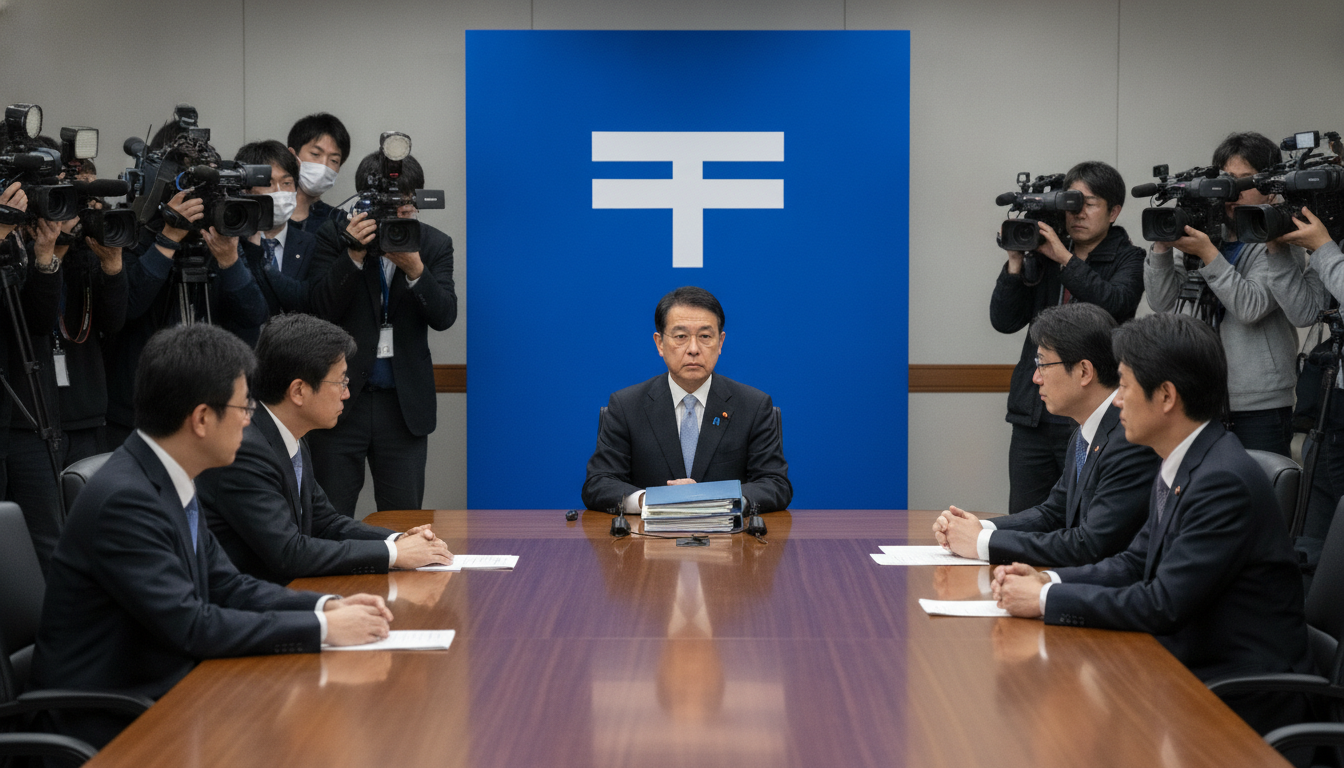
Top executives held a press briefing in Tokyo on July 14, 2026 to disclose the probe’s findings and to apologize to customers and stakeholders for the breach of trust. Japan Post said it has implemented immediate measures, including summary dismissals, suspension of relevant staff, and tighter access controls on procurement data. The company also pledged to strengthen oversight of bidding processes and to expand internal audits across other procurement categories.
Officials said they would engage external legal and compliance experts to review procurement practices and recommend structural reforms. Japan Post added that it would consider disciplinary or contractual actions against vendors found to have knowingly participated in improper schemes. The operator committed to publishing follow-up reports on progress and corrective measures.
Political and public trust implications for postal services
The revelation of persistent irregularities comes at a sensitive time for Japan Post, an organization that has faced scrutiny over governance since the privatization and reform debates of recent years. Critics say procurement scandals undermine public confidence and complicate efforts to position the postal network as a financially and operationally sustainable public-private entity. Opposition lawmakers and consumer groups have already called for clearer oversight and possible regulatory intervention.
Analysts warn that repeated procurement failures could prompt parliamentary inquiries or demands for statutory changes governing public procurement by privatized entities. For customers who rely on the postal network for everyday mail and logistics, the immediate concern is restoring transparent processes that ensure value for public contracts and lawful competition among vendors.
The company has indicated it will cooperate with external authorities and provide information to regulators as requested. Japan Post also said it intends to accelerate training on compliance and procurement ethics for staff at all levels to prevent recurrence.
Japan Post faces both reputational and operational challenges as it implements reforms and responds to potential litigation and contract reviews resulting from the probe. The company’s next steps, and the response from regulators and affected vendors, will be closely watched as stakeholders assess whether the measures announced on July 14, 2026 are sufficient to rebuild confidence in the postal service’s procurement practices.

