
Japan tourism: Mori Trust forecasts 42 million visitors in 2026 and urges post‑2030 strategy
Mori Trust forecasts 42 million international arrivals in 2026, highlighting resilience in Japan tourism despite regional boycotts and airfare pressures, and calls for a national post‑2030 plan.
Japan tourism entered 2026 with signs of resilience as Mori Trust projected roughly 42 million overseas visitors for the year, a level close to last year’s record of about 42.6 million. The forecast comes even as travel flows have been disrupted by a Chinese travel boycott and higher airfares tied to energy‑related tensions in the Middle East. Mori Trust’s outlook underscores the industry’s recovery from the pandemic while flagging the need for a coordinated long‑term strategy beyond the government’s 2030 goal of 60 million foreign arrivals.
Mori Trust projects stable inbound arrivals in 2026
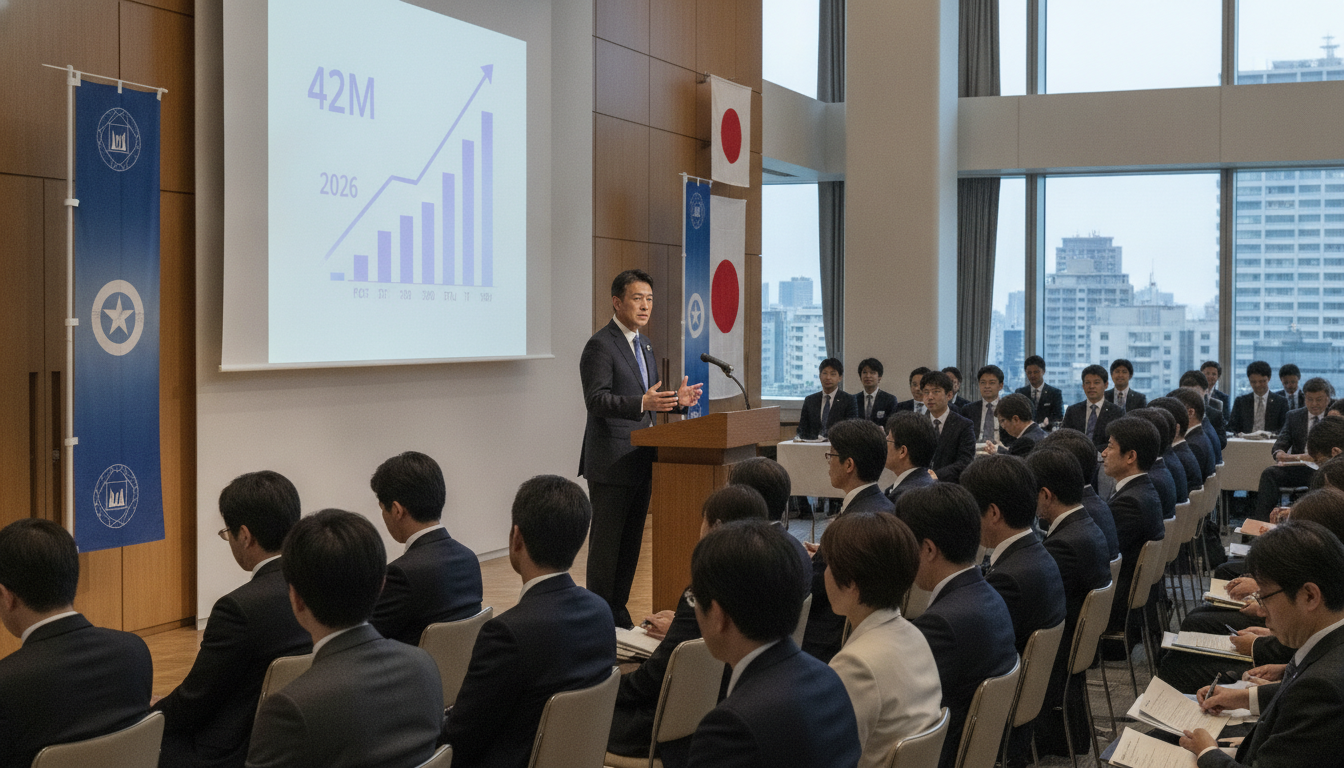
Mori Trust’s internal forecast places 2026 arrivals at approximately 42 million, signaling stability rather than rapid growth from 2025 levels. The company described this figure as broadly in line with the previous year’s record, indicating that demand has not collapsed despite external shocks. The forecast was presented by the group’s leadership in Tokyo, where executives framed the number as a baseline for planning hospitality and real estate operations.
External shocks have constrained travel patterns
Industry executives point to two principal headwinds: a diplomatic‑driven boycott by Chinese travelers and rising international airfares. The latter has been amplified by energy market disruptions associated with conflict in the Middle East, which pushed operating costs for carriers and translated into higher ticket prices. These factors have shifted travel patterns and created a heavier reliance on alternative source markets and domestic spending among inbound visitors.
Return visitors framed as the path to the 2030 target
Mori Trust’s chief executive, Miwako Date, emphasized that return visitors will be critical if Japan is to approach the government’s 60 million inbound target for 2030. The company advocates strategies to increase repeat visits through upgraded services, targeted promotions and experiences that encourage longer stays and higher per‑visitor spending. Executives argue that deepening engagement with travelers who already know Japan is a more sustainable route to growth than a sole focus on volume.
Business leaders urge a post‑2030 tourism roadmap
Beyond immediate tactics, Mori Trust called for a comprehensive post‑2030 tourism strategy from national and local authorities. The company argues that the pursuit of visitor numbers must be balanced with infrastructure, environmental management and community capacity. Planning, they say, should anticipate the transition from a growth‑driven phase to one emphasizing resilience, higher quality tourism and equitable benefits for regional economies.
Regional development and infrastructure needs highlighted
Mori Trust highlighted the importance of dispersing tourists beyond major gateway cities to relieve congestion and to stimulate regional economies. The firm pointed to transport links, accommodation supply and workforce training as priorities for both public investment and private partnerships. Executives also noted the need to diversify source markets and to stabilize air connectivity to Japan, measures that would reduce vulnerability to single‑market shocks.
Economic stakes for hotels and services remain high
Inbound tourism continues to be an important revenue driver for Japan’s hospitality, retail and transport sectors, and Mori Trust framed the 42 million forecast in that economic context. While headline arrival numbers matter, industry leaders are increasingly focused on visitor spend, seasonality and the ability of local businesses to absorb demand. The company urged policymakers to consider incentives and regulatory adjustments that could raise visitor value while protecting local communities.
Japan’s travel industry thus faces a dual challenge: managing short‑term disruptions while reshaping strategy for the next decade and beyond. The forecast of roughly 42 million visitors in 2026 is testament to recovery momentum, but Mori Trust’s call for a post‑2030 framework underscores how the sector must now plan for sustainable, high‑value tourism rather than only headline growth.

