
Myanmar clashes ebb to five-year low as military consolidates control
Myanmar clashes drop to a five-year low as the military consolidates gains while opposition forces face fragmentation, funding shortfalls and displacement.
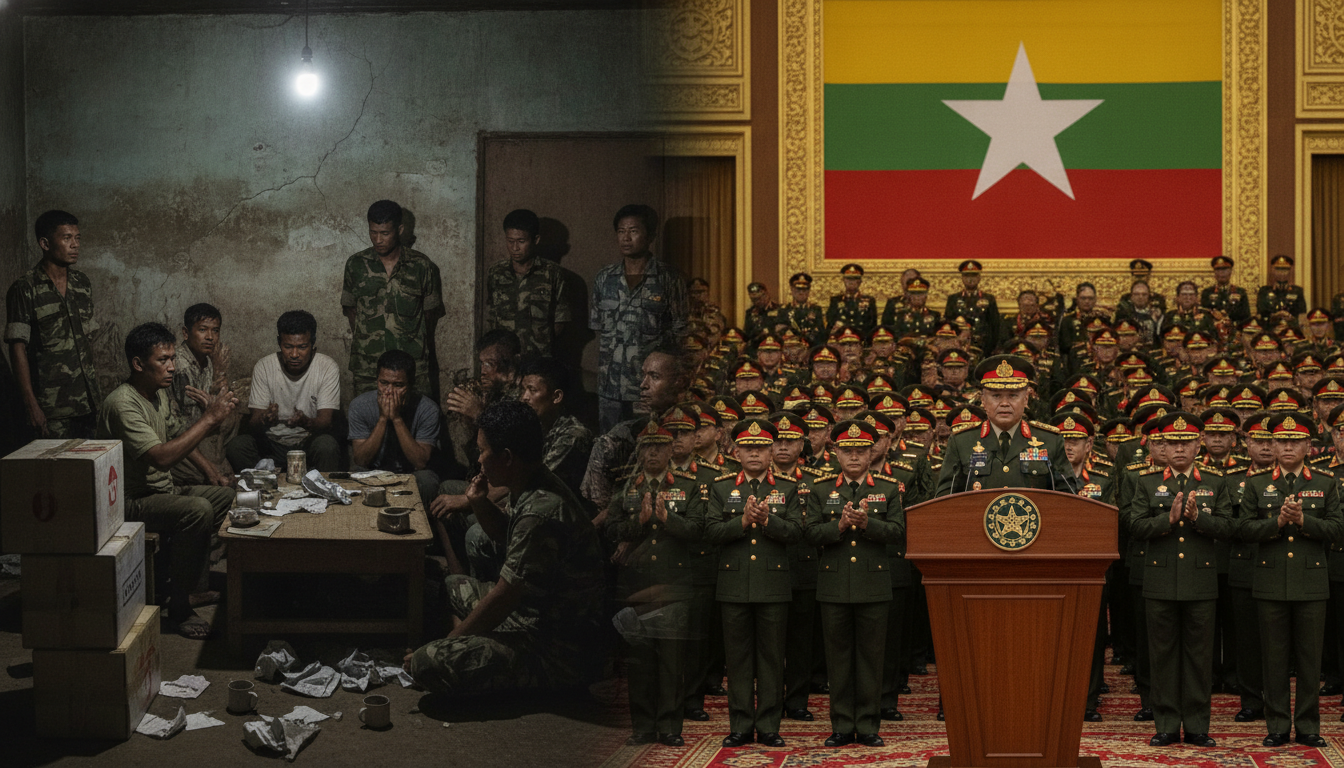
The intensity of Myanmar clashes has fallen to its lowest level in roughly five years as the armed forces regain momentum across several regions and pro-democracy groups struggle with unity and resources. Local commanders report fewer large-scale engagements even as smaller skirmishes and targeted operations continue, shifting the tactical landscape of the conflict. The change in tempo follows months of sustained military campaigns and a steady erosion of coordination among disparate opposition units. Observers say the dynamic is reshaping front lines, civilian safety, and the prospects for renewed large-scale fighting.
Clash levels decline after concentrated military offensives
Recent months have seen a marked reduction in the frequency and scale of pitched battles between the Tatmadaw and opposition forces. Military offensives that began earlier in the year pushed several armed groups from strategic positions, prompting a pause in broader clashes even where resistance remains. Analysts note that the drop in reported engagements reflects both operational consolidation by the military and tactical withdrawals by opposition fighters aiming to preserve manpower.
The lull is not uniform across the country, with persistent low-intensity violence in borderlands and central regions. Small-scale ambushes and raids continue to flare, producing localized insecurity even as the overall count of engagements falls. Humanitarian workers warn that a decrease in large battles does not equate to improved civilian safety in many affected communities.
Military consolidates gains and reasserts control
The armed forces have systematically strengthened supply lines and command posts in areas reclaimed in recent operations. Improved logistical networks and concentrated deployments have enabled the military to hold captured territory and limit organized counterattacks. Officials aligned with the military frame the operations as necessary to restore order amid ongoing insurgent activity.
As the army secures key towns and transportation corridors, local administrations are being reestablished in some regions under military oversight. That consolidation has increased movement for government-aligned personnel and services, but it has also intensified checkpoints and patrols that restrict civilian mobility. International monitors describe the pattern as a classic approach to regaining territorial control after prolonged contestation.
Opposition fragmentation and funding shortfalls
A primary reason cited for the drop in Myanmar clashes is the deepening fragmentation among opposition groups, which include People’s Defence Force units and a range of ethnic armed organizations. Infighting, competition over local authority, and divergent strategic priorities have weakened coordinated responses to the military’s campaigns. Leadership disputes and the decentralised nature of many militias have complicated efforts to mount sustained counteroffensives.
Funding constraints have further hampered opposition capabilities. Donations and external support that once flowed through informal channels have slowed, limiting ammunition procurement, logistics, and centralized planning. Several commanders report difficulty sustaining long-term operations and retaining recruits, factors that reduce the likelihood of large-scale engagements and favor guerrilla tactics over conventional confrontation.
Impact on civilians and internal displacement
The shifting patterns of conflict have produced mixed outcomes for civilians across Myanmar. In some localities the decline in heavy fighting has allowed residents to cautiously return to markets and farms, easing immediate shortages. In other areas, persistent insecurity and military presence have driven new waves of displacement as families flee targeted operations and fears of reprisals.
Humanitarian agencies remain engaged but face access constraints and logistical barriers in contested zones. Reports from aid organizations indicate needs for shelter, food, and medical care remain acute in many displacement sites. The decline in headline battles has not alleviated long-term vulnerabilities, and the risk of localized violence continues to threaten both returnees and those who remain.
Regional and international response shifts focus
Regional governments and international organizations have adjusted their responses to the evolving security picture, emphasizing humanitarian assistance and political engagement while issuing renewed calls for de-escalation. Diplomats in the region describe a cautious recalibration that prioritizes protecting civilians and preventing further mass displacement. Sanctions and diplomatic pressures continue to be discussed, but options for influencing military behavior are constrained by geopolitical considerations.
Aid delivery and monitoring operations have seen increased attention, with neighbouring countries and international NGOs attempting to bolster cross-border relief channels. At the same time, concerns persist about arms flows, illicit financing, and the potential for the conflict to spill across borders if fighting resumes at scale.
Prospects for renewed conflict and political settlement
Despite the current lull in major confrontations, analysts warn that a full cessation of violence is unlikely without a credible political process. The military’s consolidation of territory reduces the immediate operational space for opposition groups, but it does not resolve the underlying political grievances that fueled the uprising. Fragmented armed groups retain the capacity to carry out targeted attacks, and the combination of decentralized resistance and entrenched military control creates a volatile equilibrium.
Observers say that any durable reduction in hostilities will require confidence-building measures, humanitarian access, and inclusive dialogue that addresses core demands. Without such steps, the lull may prove temporary and could be punctuated by renewed offensives from either side when tactical or political calculations change.
Photographs from the field show recruits training with People’s Defence Force-affiliated groups in Kayah state, underscoring that mobilisation and local defence activity continue even amid the broader decline in clashes. These scenes highlight the persistent, grassroots dimensions of the conflict that will shape Myanmar’s trajectory in the months ahead.
The current downturn in Myanmar clashes therefore represents a complex juncture rather than a definitive turning point, with military consolidation, opposition weaknesses, and civilian suffering all defining a precarious phase of the conflict.

