
Bank of Japan to Hold Policy Rate at 1% at July 30–31 Meeting
Bank of Japan now to keep policy rate at 1% at July 30–31 meeting, assess June-hike effects and weigh an upward revision to fiscal 2026 growth forecasts.
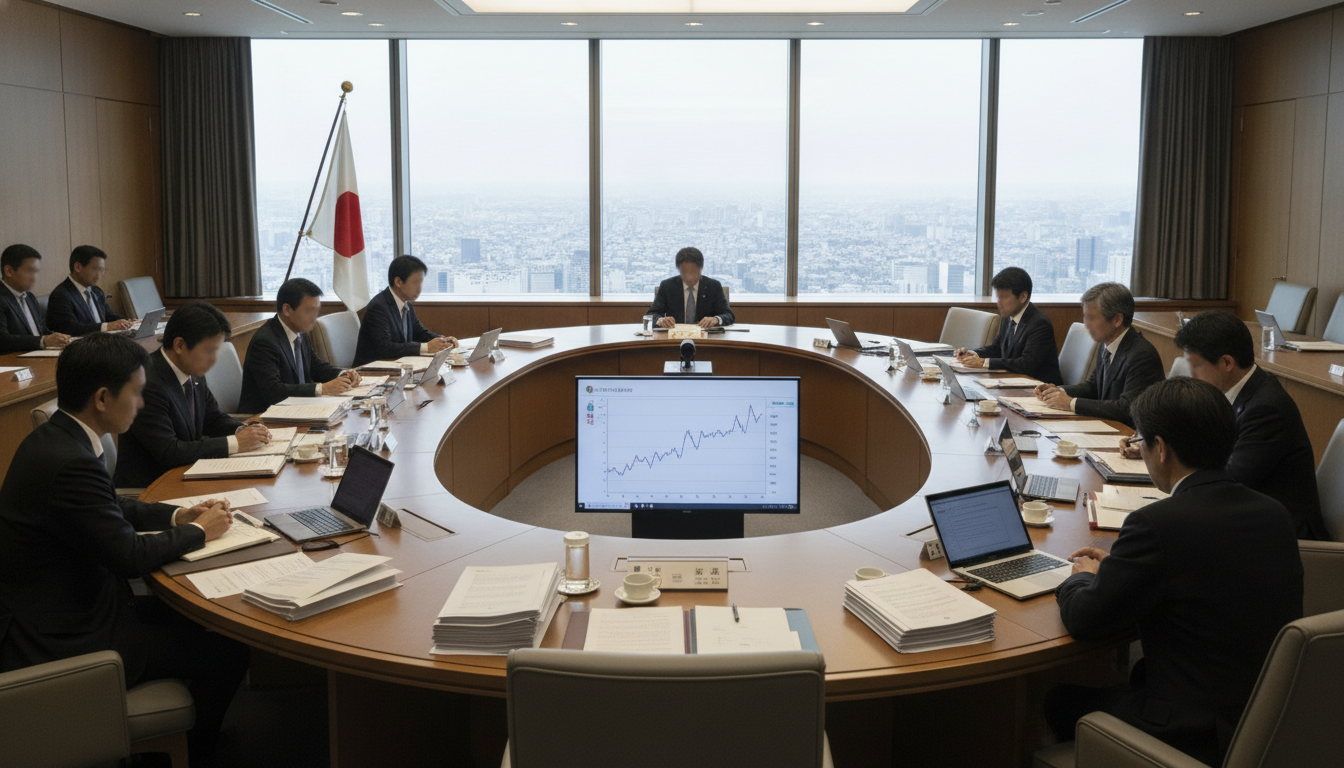
The Bank of Japan is set to maintain its policy interest rate at 1% during the July 30–31 monetary policy meeting, sources close to the central bank told Nikkei on Friday. The decision reflects a cautious approach following the surprise rate increase in June, with policymakers focusing on how that move filters through to output and prices. Officials will also consider signs of stronger economic activity that may prompt an upward revision to growth projections for fiscal 2026.
BOJ to Hold Rate at 1% on July 30–31
The policy committee is expected to announce a pause after raising the benchmark rate in June, signaling a deliberate interval for assessment. Committee members have indicated they will allow time to evaluate the transmission of tighter financial conditions to households and firms. Maintaining the rate at 1% underscores a balance between reining in inflationary pressures and avoiding excessive strain on the recovery.
Central bank communications will stress that the July meeting is an opportunity to observe incoming data rather than to set a longer-term path. Officials face the twin task of monitoring price momentum and calibrating guidance to markets. The short window also gives the BOJ latitude to adjust tone depending on global developments in the coming days.
Committee to Monitor June Rate Hike Effects
Policymakers will examine a range of indicators to judge the impact of the June hike, including lending activity, consumer spending, and wage developments. Early signals from credit and deposit flows will be scrutinized for signs that higher borrowing costs are damping demand. The BOJ has flagged that many effects of policy changes materialize with lags, so recent movements in financial conditions will be assessed alongside fundamentals.
Staff briefings are expected to present various scenarios showing how a 1% policy rate could influence growth and inflation through 2026. Internal models and business surveys will help determine whether the June move is sufficient or whether further adjustments may be warranted. The committee will weigh these technical assessments against the broader policy goal of sustainable 2% inflation.
Inflation, Oil Prices and Middle East Risks
Rising oil prices and renewed tensions in the Middle East have complicated the BOJ’s outlook, adding upside risk to imported inflation. Officials are watching energy price trends closely because higher fuel costs can quickly translate into broader price gains. The central bank has cautioned that global supply disruptions or sharper commodity price spikes could erode real incomes and alter the policy calculus.
At the same time, elevated oil prices can slow growth by squeezing household budgets and raising costs for firms. The committee will discuss these trade-offs and consider contingency language for future statements. Policymakers are likely to emphasize vigilance, noting that external shocks remain a significant source of uncertainty for Japan’s inflation trajectory.
Growth Forecasts Under Review for Fiscal 2026
Against this backdrop, the BOJ is said to be weighing an upward revision to its fiscal 2026 growth projection, reflecting stronger-than-expected momentum in certain sectors. Data showing resilient corporate investment and improving exports have prompted some policymakers to reassess earlier, more conservative estimates. Any official upward adjustment would be calibrated to avoid stoking excessive inflation expectations.
Staff economists will present updated forecasts that incorporate recent activity, fiscal policy settings, and global demand conditions. The deliberations will consider whether growth gains are broad-based or concentrated in specific industries. A measured revision could influence the BOJ’s forward guidance but would not necessarily imply a rapid sequence of further rate hikes.
Market Reaction and Policy Outlook
Markets have priced the June increase as the start of a new tightening cycle, but investors remain sensitive to the BOJ’s communication for clues about future moves. Yields on Japanese government bonds and the yen’s exchange rate will be monitored for signs of changing expectations. Traders are likely to interpret a steady policy rate alongside cautious language as an effort to avoid surprising markets while retaining optionality.
Economists say the BOJ’s next steps will hinge on incoming inflation prints and wage data through the autumn. Strong, sustained wage growth would raise the odds of further normalization, whereas cooling price pressures could prompt a prolonged pause. For now, officials appear intent on gathering evidence, keeping policy steady while leaving the door open for future action.
The upcoming statement and press conference will be watched closely by business leaders and financial markets, as policymakers seek to reconcile a recent rate increase with ongoing economic and geopolitical uncertainties.

