
Fuji Rock Festival draws strong crowds as organisers expand food and family offerings
Fuji Rock Festival sees surge in attendance driven by new food options and family-focused measures at Naeba as summer events grow despite rising temperatures
Fuji Rock Festival opened on Friday with organisers reporting a strong turnout, buoyed by expanded food choices and initiatives aimed at families. The festival’s lineup, which mixes legacy acts with newer performers, continued to draw a broad cross-section of attendees across age groups. Event managers and industry observers say the festival’s experience-driven updates reflect a wider recovery and growth in Japan’s summer live-music market even as summers become hotter.
Opening day turnout and festival atmosphere
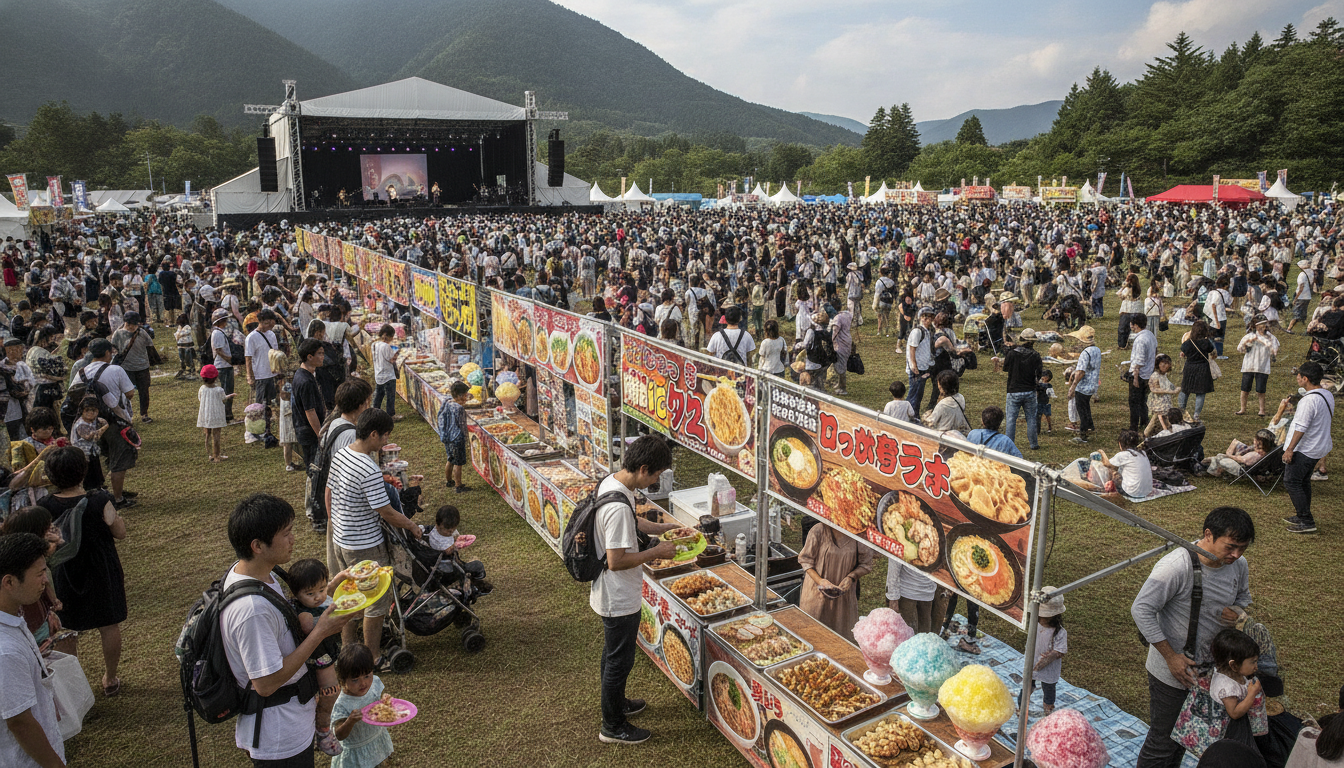
Early reports from the Naeba Ski Resort site described long lines at entry points but lively crowds milling through the festival grounds. Many attendees praised the diversity of performers and the range of on-site dining options that organisers added this year. The atmosphere combined the familiarity of long-established festival rituals with visible efforts to make the event more accessible to families and casual visitors. Organisers said the mix of established headliners and emerging artists helped sustain interest across age demographics.
Expanded food offerings and onsite facilities
This year’s festival increased the number and variety of food stalls and culinary zones, a deliberate strategy to lengthen visitor stays and broaden appeal. Local vendors and national food brands occupied expanded areas, offering everything from quick snacks to sit-down meals adapted for festival crowds. Festival managers indicated that the upgrades were intended to improve convenience for families and reduce wait times at peak hours. Attendees noted a visible improvement in seating areas and shaded dining spots compared with previous editions.
Family-focused measures and accessibility
Organisers implemented measures designed to attract and accommodate families, including adjusted program scheduling and family-friendly site layouts. These changes aimed to reduce barriers for parents bringing younger children and to present the festival as a multi-generational outing. Family zones and clearer wayfinding were among the practical changes that helped make the site easier to navigate. The festival’s strategy reflects a broader push across Japan’s live-event sector to expand its audience base beyond traditional young adult demographics.
Artist lineups and cross-generational appeal
A varied performer lineup was a key factor in drawing a mixed-age audience, according to festival-goers and observers on site. Programming combined veteran acts with contemporary artists who command younger followings, creating multiple moments of high engagement across stages. Curators said balancing established names with fresh talent was essential to sustaining ticket sales and diversifying the crowd. The programming approach also helps festivals compete with one-off concerts and streaming options by offering an experience that blends nostalgia, discovery and communal concertgoing.
Heat risks, attendee comfort and operational planning
The festival opened amid concerns about increasingly hot summers, a factor that has influenced planning across Japan’s outdoor-event calendar. While organisers emphasised comfort and safety measures, festival operators acknowledged the challenge of maintaining a safe environment during heatwaves. Attendee advice and visible cooling resources were reported around the site, as event teams monitored conditions throughout the day. Industry insiders say that climate trends are prompting promoters to reassess schedules, site design and infrastructure for future summer events.
Market recovery and the wider summer-music trend
Fuji Rock’s strong opening reflects a continuing rebound in Japan’s festival market after pandemic-related disruptions and shifting consumer habits. Promoters and ticketing platforms have sought to broaden their offerings—enhancing food, family amenities and on-site services—to capture a wider slice of summer leisure spending. Analysts point to rising demand for experiential outings and curated live events as drivers of growth, but they also flag operational costs and weather-related uncertainties as constraints. For many organisers, the balance now lies in investing in visitor experience while building resilience against unpredictable weather.
Vendors and local businesses around Naeba reported an uptick in trade tied to the festival’s opening, underscoring the economic ripple effects of large-scale summer music events. Local authorities have continued coordination with organisers to manage transport, waste and safety, a routine but increasingly important part of staging multi-day festivals. The festival’s success in attracting diverse audiences this year is likely to inform programming and site-planning choices for other major events across Japan.
Fuji Rock’s opening weekend will be watched closely by industry participants and local stakeholders as a bellwether for summer festivals nationwide, with organisers citing higher engagement and an emphasis on comfort and variety as central to maintaining momentum.

