
Seiko’s Luxury Push Matches LVMH on Valuation Gauge as Limited Editions Sell Out
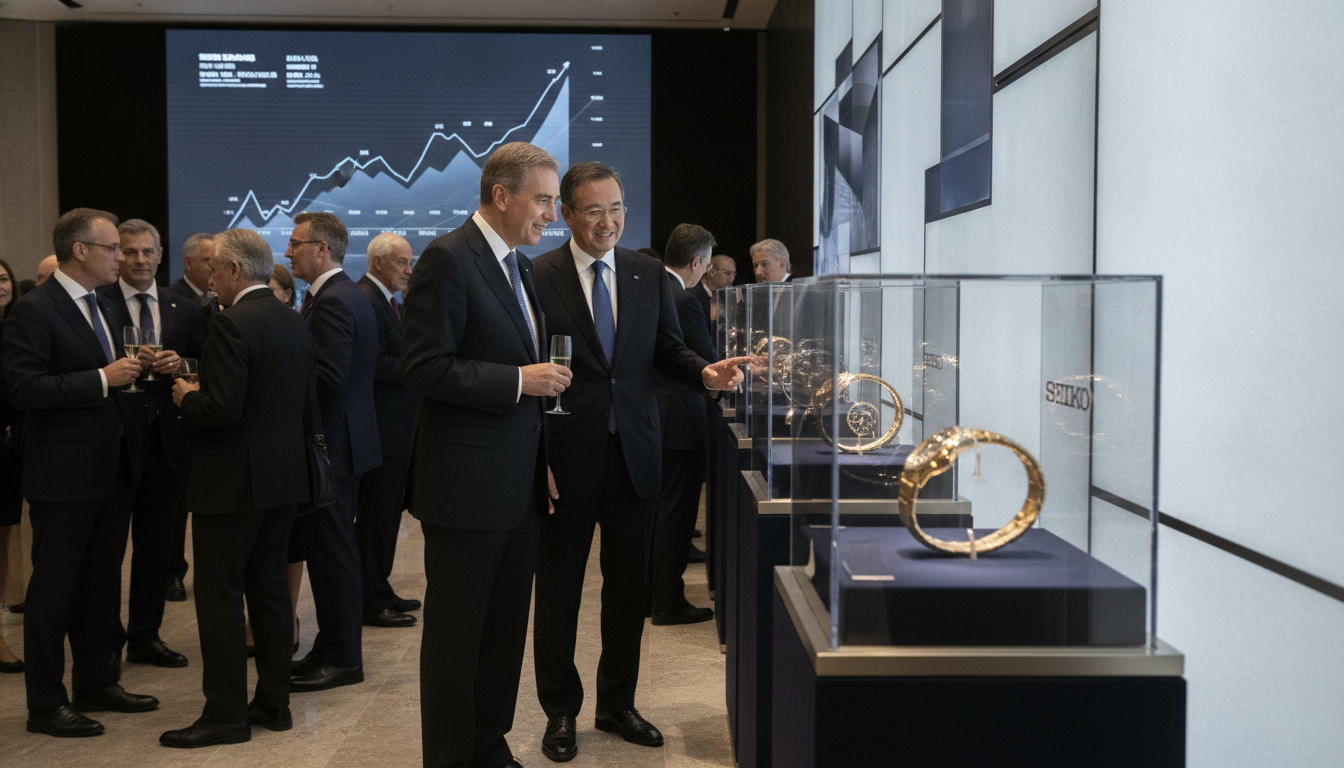
Seiko is reshaping itself into a luxury watchmaker, matching LVMH on a widely watched stock-market valuation gauge while driving retail demand through heavy advertising and high-profile collaborations. The transformation is visible in sold-out limited editions and a stepped-up promotional strategy that has lifted the company’s profile at home and abroad. Investors and retailers are taking note as Seiko repositions parts of its portfolio toward higher margins and brand prestige.
Seiko’s ascent into the luxury segment
Seiko’s push upmarket reflects a deliberate pivot from mass-market timepieces toward premium offerings aimed at collectors and affluent buyers. Company executives have invested in craftsmanship messaging and quality control to support a higher-end positioning. That repositioning is intended to broaden margins and reduce reliance on volume sales.
Seiko’s strategy has been gradual but consistent, combining product upgrades with a more focused brand narrative. The company is emphasizing design provenance, materials and limited production runs to create scarcity that supports higher price points. This approach mirrors steps taken by other watchmakers that have successfully traded on heritage and exclusivity.
Stock-market valuation milestone and investor sentiment
A market valuation gauge recently put Seiko on par with LVMH, a benchmark that underscores investor appetite for luxury exposure in Japan’s watch sector. Market commentators said the comparison reflects renewed confidence in Seiko’s ability to extract higher profits from a prestige-oriented lineup. Analysts caution that such gauges can fluctuate and that sustaining the premium will require continued execution.
Investors are watching metrics such as revenue mix, gross margins and brand-strength indicators rather than headline metrics alone. Seiko’s ability to convert marketing and collaboration buzz into repeat customers and stable pricing will be central to whether the recent valuation resets hold.
Advertising spend and promotional partnerships
Seiko’s rise has been fuelled by markedly higher advertising expenditure and aggressive promotional deals with retailers and media partners. The company has ramped up global campaigns while also funding in-store activations and pop-up events to bring high-end collections to discerning buyers. Those investments are intended to shift consumer perception and justify new price tiers.
Promotional activity has also leaned on strategic retail discounts and bundles aimed at moving refined inventory without diluting brand prestige. Officials involved in luxury repositioning often say that balancing short-term sales incentives with long-term brand equity is the central marketing challenge.
Shohei Ohtani collaboration and limited-edition demand
A collaboration with baseball star Shohei Ohtani — featuring a limited run of 3,400 watches — sold out rapidly at retailers, underscoring demand for tie-up pieces. The Ohtani release provided a stark example of how celebrity partnerships and scarcity can create immediate sales spikes. Retailers reported brisk foot traffic and rapid sell-through in stores carrying the special edition.
Limited releases like the Ohtani model also serve as halo products that draw attention to wider collections. Market observers say such collaborations can broaden interest among younger consumers and collectors who follow athlete-endorsed drops, while generating earned media coverage.
Retail distribution and international reach
Seiko is adjusting its retail footprint to support the luxury transition, selectively placing premium collections in flagship boutiques and upscale multi-brand retailers. The company is also refining e-commerce presentation and after-sales service to match luxury expectations, including extended warranties and bespoke customer experiences. These distribution changes are intended to elevate the purchase journey and justify higher price points.
International expansion remains a priority, with targeted launches in markets where demand for Japanese-made watches is rising. Localized marketing and partnerships with established retailers help Seiko introduce premium lines without undermining the positioning of its core, more affordable ranges.
Risks and hurdles to sustained premium positioning
Despite positive signals, Seiko faces several challenges in maintaining a durable luxury status. Competitors in Europe and Switzerland retain deep cachet among traditional collectors, and price-sensitive consumers may resist upward moves in the company’s mainstream ranges. Supply constraints and the need to ensure consistent high-quality manufacturing across premium models present operational risks.
There is also the reputational work required to shift public perception: turning a century-old industrial name into a luxury icon demands long-term investments in storytelling and craftsmanship proof points. Observers say the next tests for Seiko will be its ability to keep limited editions meaningful while expanding genuinely profitable premium offerings.
Seiko’s recent performance suggests momentum but not inevitability; the company has mobilized advertising, celebrity tie-ins and retail changes to raise its standing, and early indicators such as sold-out special editions and valuation shifts show progress. Whether that progress translates into a lasting reclassification in the global luxury watch hierarchy will depend on execution across product, retail and brand stewardship.

