
Aeon Confirms Re-entry at Aeon Mall Kumamoto After July 28 Earthquake
Aeon confirms it allowed temporary re-entry at Aeon Mall Kumamoto after the July 28, 2026 quake; seven tenant employees died. Company pledges rule changes.
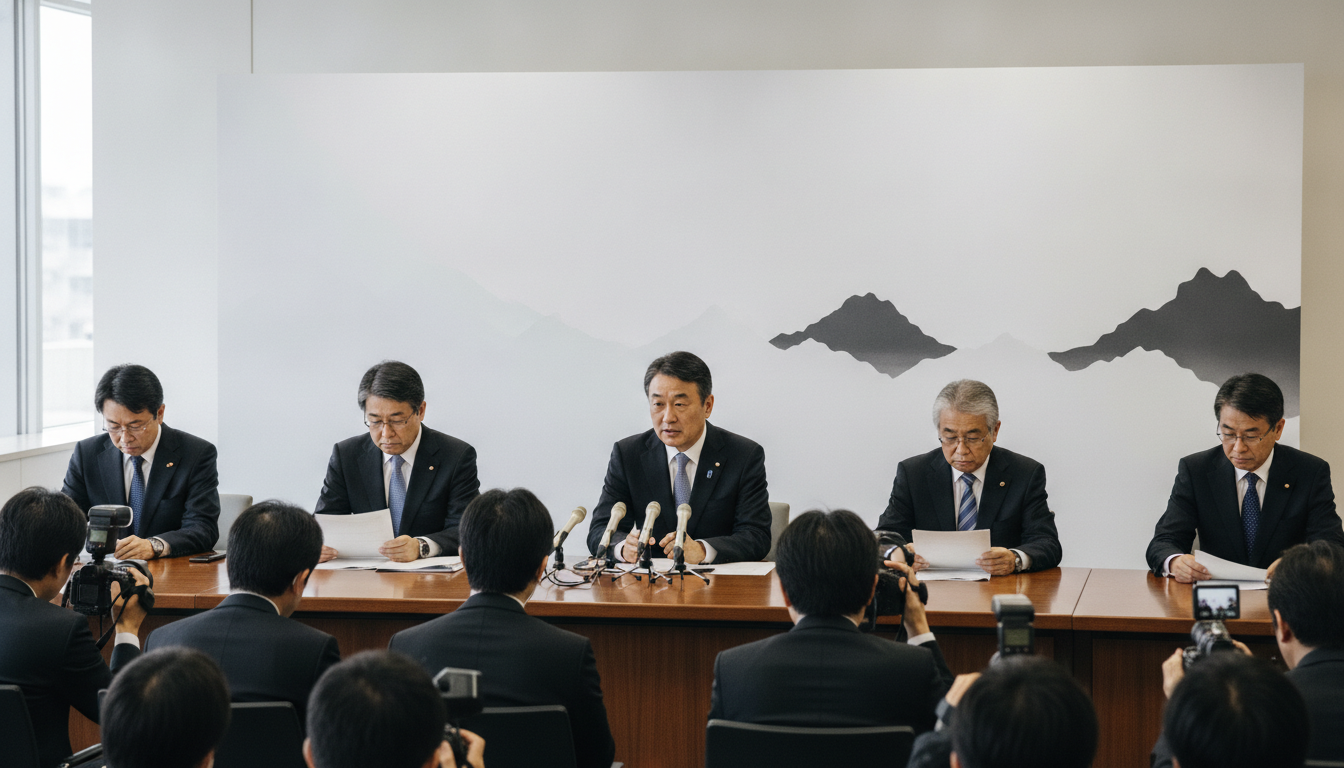
Aeon on August 11, 2026 acknowledged that it had permitted employees to re-enter Aeon Mall Kumamoto after an evacuation triggered by the July 28 earthquake, a decision that came amid the chaos surrounding the subsequent explosion that killed seven tenant workers. The company said the re-entry was allowed to accommodate staff who could not get home and who requested access to personal items or to complete work duties. Aeon’s disclosure raises questions about post-evacuation protocols and who made the call to allow people back inside the complex.
Company Statement on Temporary Re-entry
Aeon said in a public statement on August 11 that, during the evacuation following the July 28 quake, several employees became unable to return home because many commute by car. The company said requests to retrieve car keys, mobile phones and other valuables, as well as needs such as using restrooms or closing registers, prompted individual appeals to return to the building.
Aeon conceded that, given the chaotic conditions at the site, staff on the ground responded to those individual requests and permitted temporary re-entry in some cases. The company noted it could not currently confirm the exact number of employees who re-entered or their departmental affiliations, and said that absence of clear post-evacuation rules contributed to leaving such decisions to on-site judgment.
Timeline of Evacuation and Explosion
On July 28, 2026, a significant earthquake led to the ordered evacuation of tenants and employees from Aeon Mall Kumamoto in Kashima Town, Kumamoto Prefecture. Witnesses and later reporting detailed that an explosion occurred at the mall in the days that followed, with emergency services confirming fatalities among tenant staff.
Official accounts indicate that the mall office used an employee safety confirmation system to notify store managers and staff that business for the day was canceled and that employees should go home. Despite that announcement, some staff either remained on site or were permitted to return after initially evacuating, a sequence that has complicated efforts to reconstruct the events and determine responsibility.
Mall Announcements and Safety Messaging
Mall officials have said they announced “business closed” and instructed employees to return home, but they insist they did not issue an “evacuation lifted” message allowing people back inside. Aeon Mall Kumamoto’s office maintains that no formal clearance was given to resume operations or to re-enter the facility as a general rule.
The divergence between what was announced centrally and what happened on the ground reflects the pressures of emergency communication in a chaotic environment. Aeon acknowledged that the lack of clear follow-up procedures for evacuated staff — including those who faced difficulties returning home — created room for inconsistent, ad hoc decisions by personnel at the scene.
Gaps in Post-Evacuation Protocols
In its August 11 remarks Aeon accepted that policies and manuals governing post-evacuation conduct, as well as staff training and operational procedures, were lacking. The company said this deficiency effectively left the handling of post-evacuation issues to the discretion of responders at the mall and took responsibility for that shortcoming.
Aeon also said it had not anticipated the kinds of requests that emerged after the evacuation, such as collection of personal property and support for employees who could not commute home. The company described the situation as a serious lapse that it will address through concrete policy changes and enhanced training.
Unclear Scope of Re-entry and Victim Status
Authorities have confirmed the deaths of seven tenant employees in the explosion connected to the incident at Aeon Mall Kumamoto, but the company has not been able to provide a clear accounting of who re-entered the building after evacuation. Aeon’s public relations office said it could not determine the affiliations or number of employees who were granted temporary access.
Families of the deceased and the wider community are likely to press for fuller disclosure as investigations proceed. Legal and safety experts say establishing a verified timeline of who entered the facility, when and under whose authority is essential for both accountability and improvements to disaster response practices.
Planned Policy Changes and Next Steps
Aeon stated it will revise internal rules to allow employees to carry valuables while working, a change aimed at reducing post-evacuation requests to re-enter facilities. The company also pledged to develop clearer post-evacuation procedures, improve staff education and strengthen operational oversight during emergencies.
Officials said the company will cooperate with investigations into the explosion and related decisions, and that it will review training and manuals across its mall operations nationwide. Aeon added that it recognizes the need to prevent similar ambiguous judgments in future disasters and to better protect employees and customers.
The aftermath of the July 28 evacuation and the later explosion has left families and colleagues seeking answers about the decisions made at the scene. As investigations continue into the sequence of events and the scope of re-entry at Aeon Mall Kumamoto, the company’s promised rule changes and the results of official inquiries will be closely watched by victims’ families and the public.

