
AI learning devices surge in China as parents pay for automated tutors despite high prices
China parents flock to AI learning devices that scan homework, check answers and explain solutions, reshaping after-school study routines.
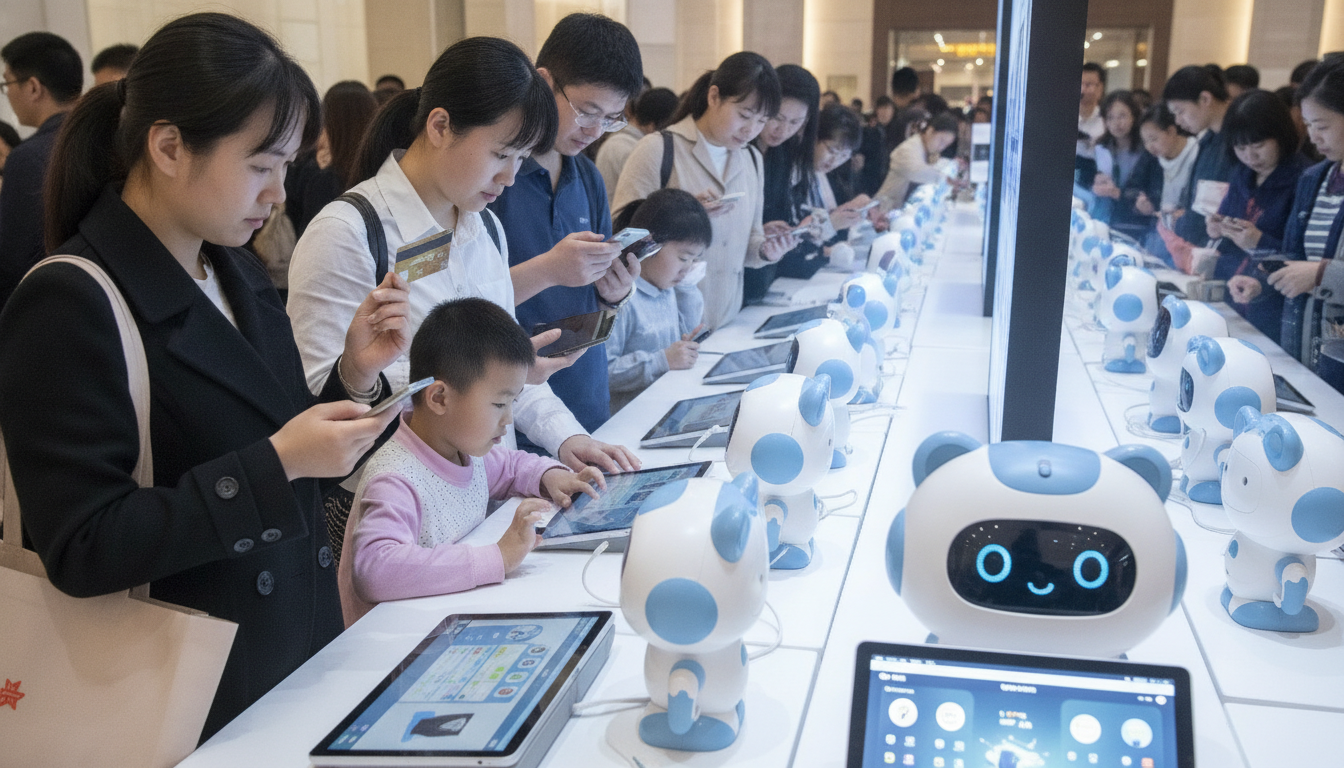
DALIAN, China — AI learning devices that scan homework, check answers and provide step‑by‑step explanations are rapidly gaining popularity among Chinese families, with many parents willing to pay high prices for at‑home tutoring technology. The devices, seen in cities such as Dalian this month, are being used alongside — and sometimes in place of — traditional supplementary lessons, according to parents and local vendors. Adoption is being driven by intense academic competition and a market of hardware-makers and app developers promoting convenience and personalized instruction.
Device features and classroom-style feedback
The latest generation of AI learning devices combines optical character recognition with model-based problem‑solving to interpret printed or handwritten assignments.
Children place a worksheet under a camera or scan it with the device’s companion app, and the system identifies questions, grades responses and generates explanations tailored to the student’s errors.
Some products also offer voice-guided walkthroughs, short video explanations and progress tracking dashboards that let parents monitor strengths and weaknesses.
Vendors highlight machine‑learning updates that, they say, refine explanations over time as the device “learns” a child’s common mistakes.
Why parents are buying despite high cost
Many parents in Dalian and other Chinese cities cite time pressures and rising tuition fees as reasons to invest in AI learning devices.
Working families say the devices free up evenings and weekends while delivering consistent corrective feedback that would otherwise require expensive one‑on‑one tutoring.
For some, the perceived educational return outweighs the up-front price, especially when vendors bundle devices with subscription learning plans.
Others view the hardware as a long‑term investment that can serve multiple children and reduce dependence on in‑person tutors.
Market growth and commercial strategies
Manufacturers and education startups have expanded product ranges to capture households across income brackets.
Lower‑end models focus on basic homework scanning and answer checking, while premium units incorporate adaptive learning algorithms, larger screens and interactive features.
Companies often pair devices with cloud services and content libraries, creating recurring revenue through monthly subscriptions and in‑app purchases.
Retailers and online platforms have begun offering installment plans and promotional bundles to soften sticker shock and broaden appeal.
Teachers and schools weigh the classroom impact
Educators report a mixed response to the rise of automated tutors in the home.
Some teachers welcome devices that reinforce classroom lessons and help students catch up on missed concepts, potentially improving overall study efficiency.
Others express concern that heavy reliance on instant explanations can discourage deep problem‑solving and reduce opportunities for critical thinking developed through human interaction.
School administrators are monitoring how these tools affect homework quality and whether they widen disparities between families with differing access to technology.
Privacy, data security and regulatory questions
The use of AI learning devices raises privacy and data‑security questions, particularly where models process images of students’ handwritten work and record performance data.
Parents and privacy advocates have sought clearer information on what learning data is stored, how long it is kept and whether it is shared with third parties.
Regulatory attention has also focused on the commercialization of children’s learning, with policymakers weighing how to ensure products comply with consumer protections and education‑sector rules.
Manufacturers say they implement encryption and anonymization measures, but independent audits and transparent data‑handling policies remain points of contention.
Parents’ experiences and expectations
Families who have adopted the devices describe immediate benefits in homework completion and targeted remediation.
Parents report that children are more likely to attempt challenging problems when an explanation is a single tap away, and that detailed error logs help guide parent‑led review sessions.
At the same time, some caregivers note that novelty wears off and that children still require encouragement and oversight to use devices effectively rather than as shortcuts.
Several parents said they balance device use with scheduled study time and in‑person lessons to preserve social learning and teacher feedback.
China’s mass market for education technology has prompted rapid innovation, and AI learning devices are an increasingly visible part of that landscape.
As families weigh costs, pedagogical trade‑offs and privacy concerns, developers and regulators will likely face ongoing pressure to improve transparency and demonstrate educational value.
For now, in cities such as Dalian, parents continue to treat AI learning devices as a practical tool in a highly competitive schooling environment, willing to pay for convenience and personalized instruction while testing how well machines can supplement human teaching.

